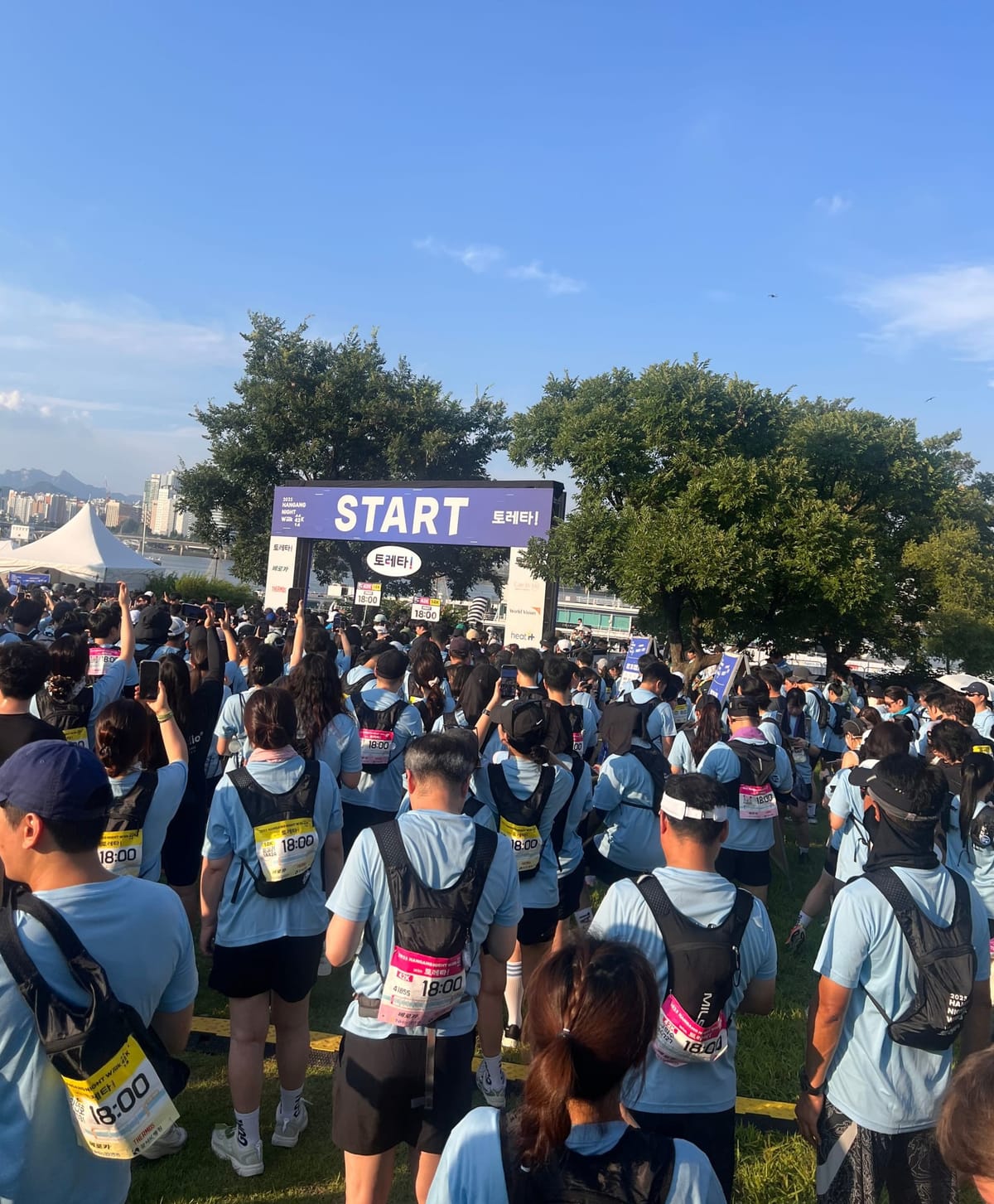
Most people visit Seoul through a subway map. It is fast and precise, but it does one thing too well: it hides the city. In tunnels, you do not get the texture. You do not feel the slope of a neighborhood, the wind off the water, or the way one district quietly turns into another.
Get above ground and start pedaling, and Seoul begins to show itself.
Lately, cycling here has become more than a way to move. It is a visible, everyday culture. Along the Han River parks and the paths beside smaller streams, you will see riders even on ordinary weekdays. Road crews in full kits moving in formation. Couples coasting in street clothes like it is a date. Solo riders who look like they came out just to catch the river air for a while. The point is not speed. The point is proximity. On a bike, you sit close enough to the city to actually read it.
Seoul can feel complicated, but from the saddle it becomes strangely simple. Streets that are gridlocked by cars turn into continuous lines. And the bike network is not just a set of lanes. It is almost a second map of the city, redrawn around the river.
Every Route Eventually Touches Water
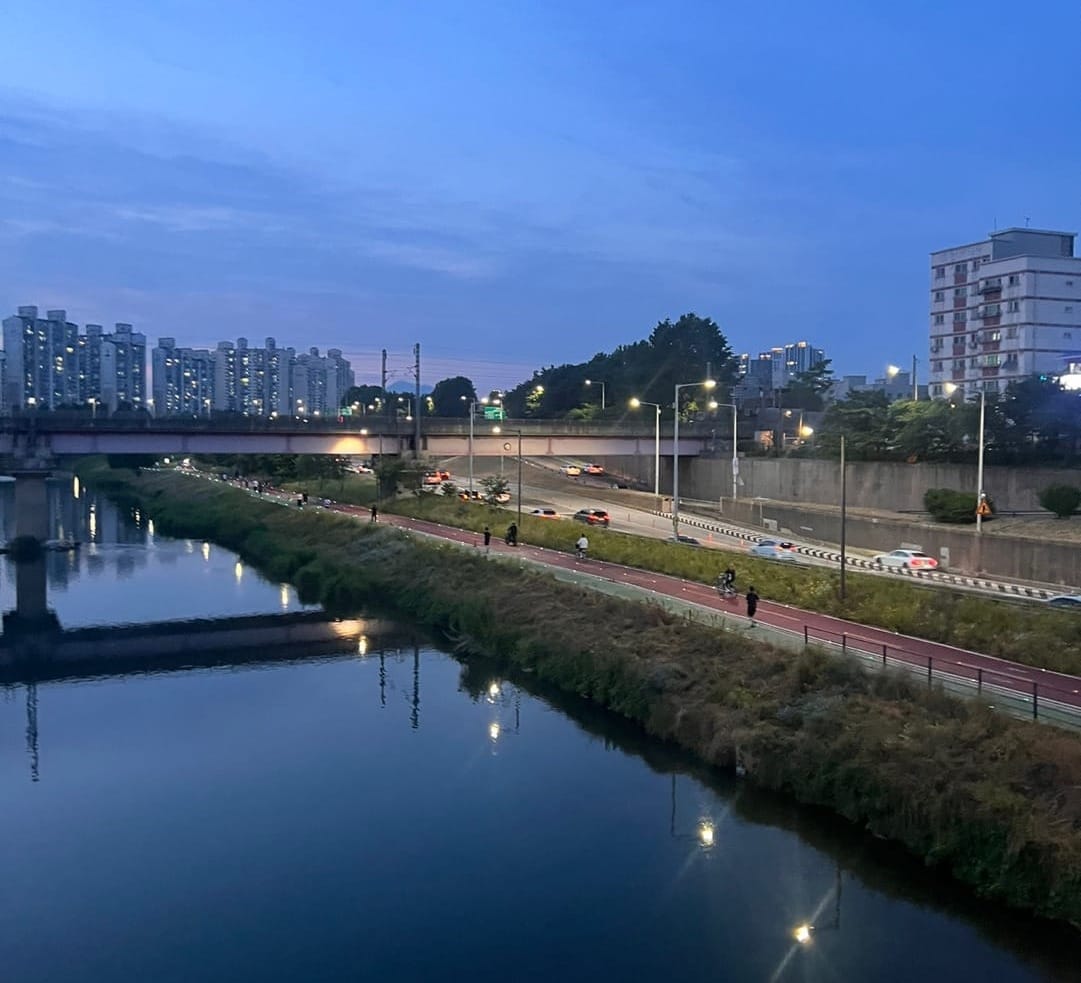
Seoul’s cycling network is built around the Han River, with smaller waterways feeding into it like capillaries. Navigation is simpler than it looks. Get off the subway and head toward the nearest water. Drift downhill. You will usually run into a stream. Follow it, and sooner or later, you meet the Han.
East (Seongsu, Seoul Forest)
Start around Seoul Forest Station. Aim for the river and the scenery gradually softens into trees and open air. This is the version of Seoul that feels almost like a city park with a skyline attached. Joining the Han from here is a small release valve in the middle of a dense neighborhood.
South (Gangnam, Jamsil)
Try starting near Jamsil Station or Bongeunsa Station. You slip out of the gray verticals, and then the river appears like someone widened the frame. Few moments in Seoul feel as dramatic as the instant your view goes from glass-and-concrete to open water.
West (Hongdae, Mangwon)
Mangun Station or Mapo-gu Office Station puts you in the city’s more relaxed, playful current. Pick up a snack from Mangwon Market, roll down to the grass, and treat the ride like a moving picnic. This side of the river is where cycling turns into hanging out.
The Infrastructure Is Quietly Perfect
One of the best things about riding along the Han is how frictionless it is. Convenience stores show up every one or two kilometers like clockwork. For riders, they function as mini pit stops: water, ice, quick sugar, and a place to reset your pace.
And then there is the classic move: instant noodles cooked on the spot, eaten in a foil bowl by the river. After you have been sweating into a headwind, it hits like a reward you did not know you earned.
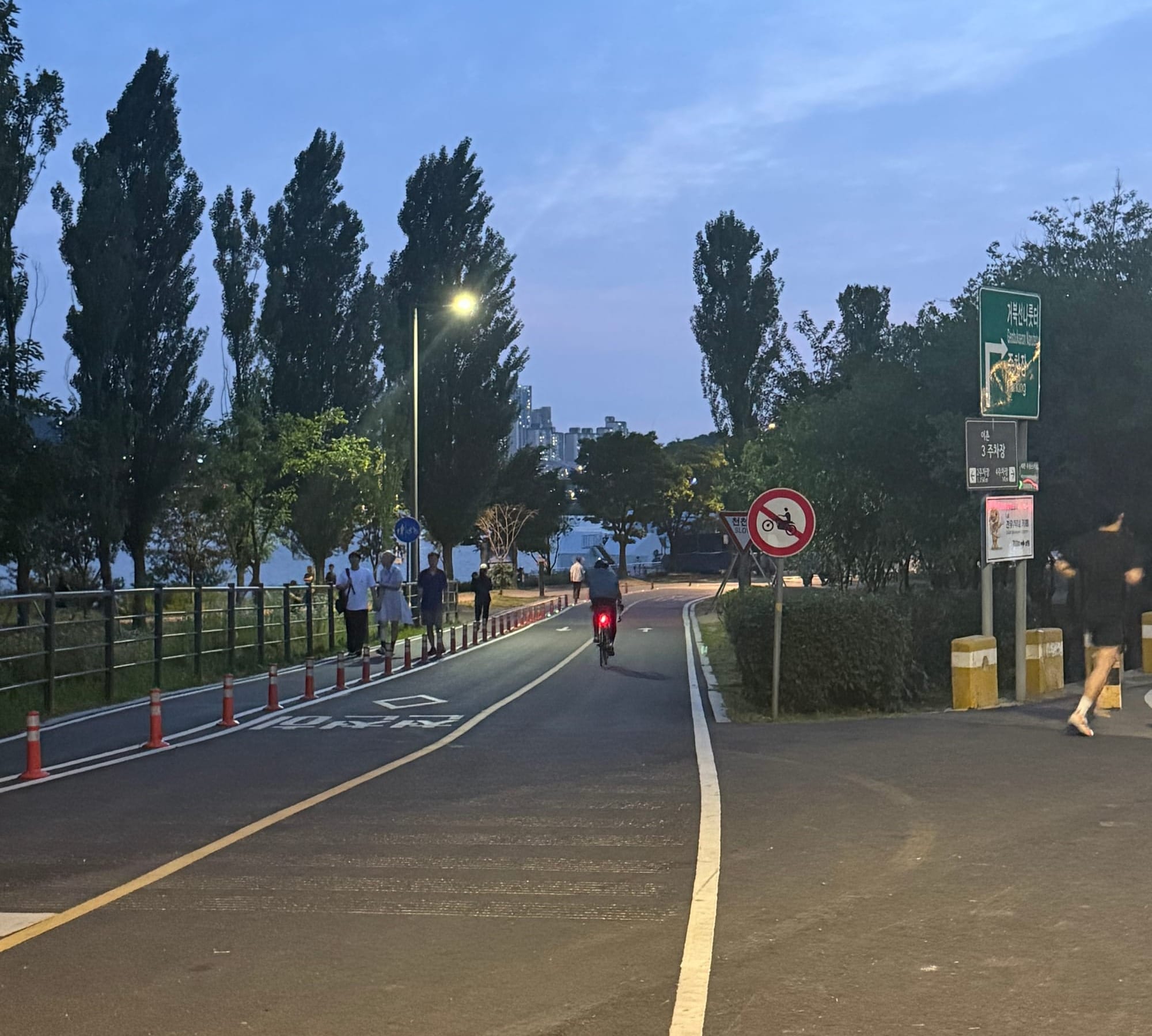
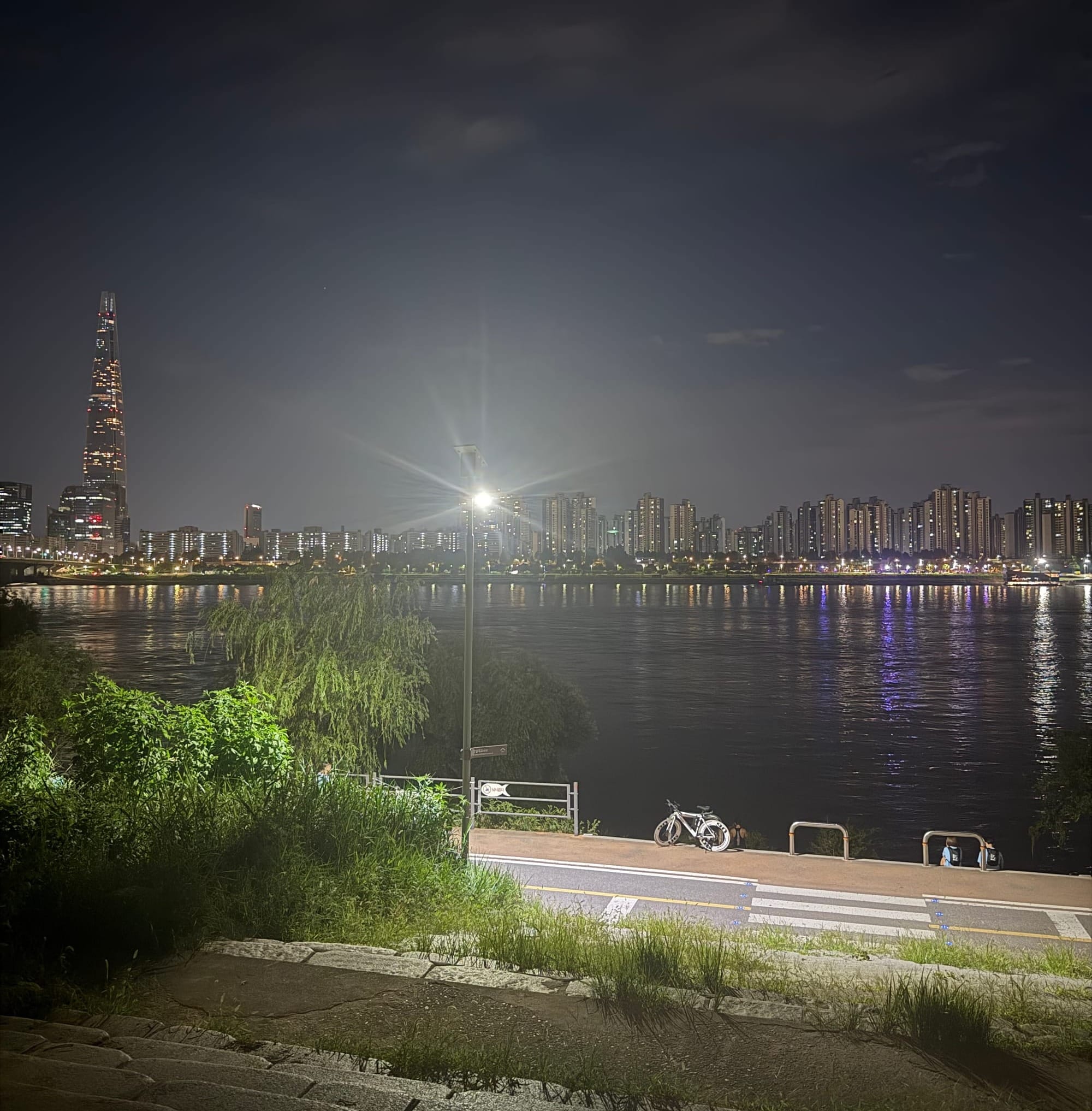
Night riding is also more comfortable than most cities make it. Paths are well lit, and the river reflects the city back at you in long strips of color. It turns a simple ride into something that feels like a highlight.
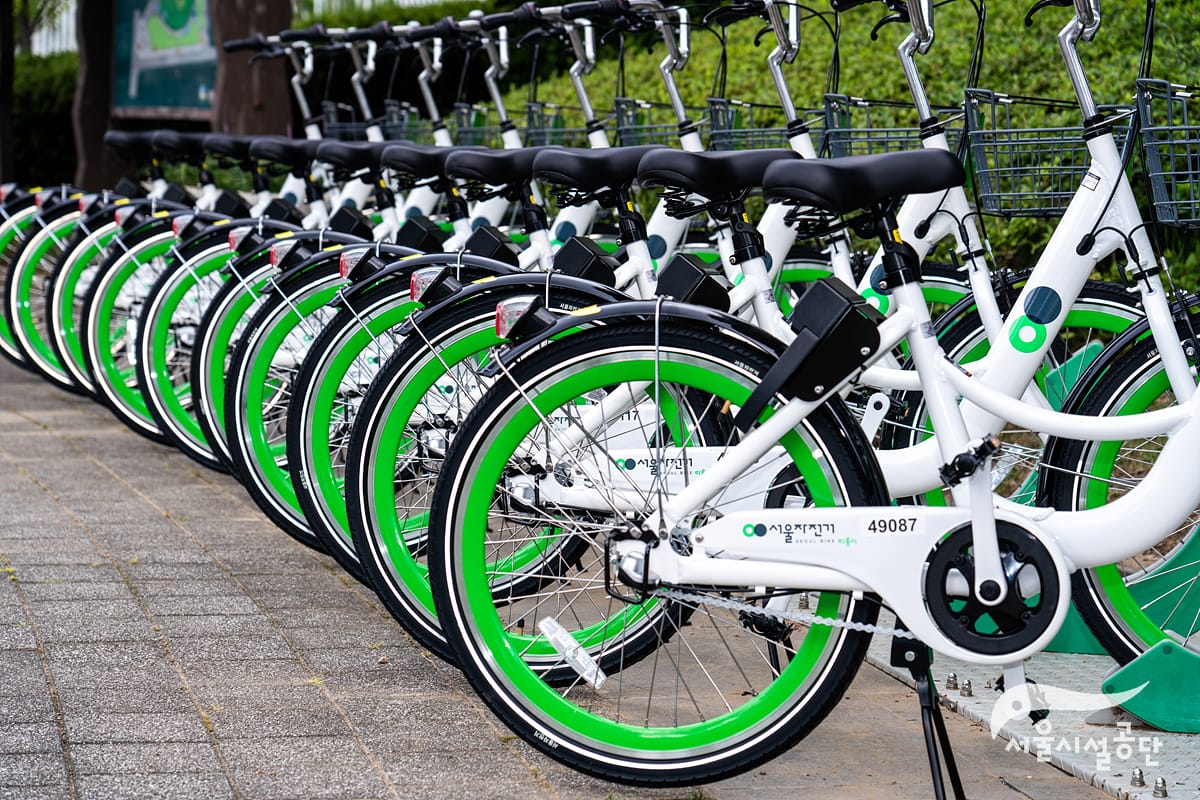
No bike? That is not a problem. Seoul’s public bike system, Ttareungi (Seoul Bike), is everywhere. You can rent for about 1,000 won for an hour and return it to a different station, which is exactly what travelers need. You do not have to plan a loop. The city lets you ride one direction and simply end where you are.
The Highlight Ride: The Paldang Tunnel Route
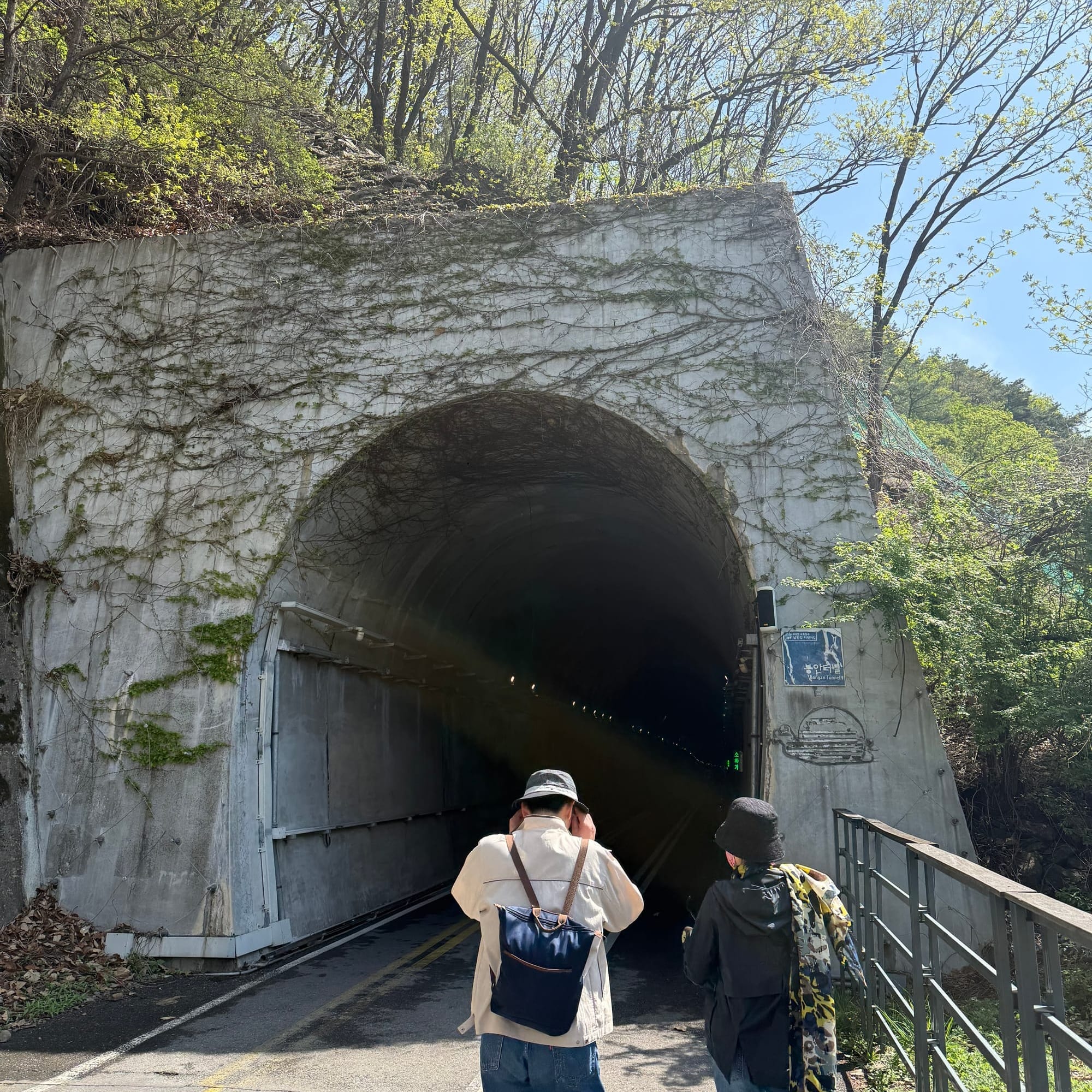
Once the city-side river paths start to feel familiar, take the Gyeongui–Jungang Line out to Paldang Station. This area includes a stretch where an old railway line was converted into a cycling path, and riding through the tunnels gives you that rare feeling of being inside the infrastructure of a place, not just passing through it.
Out here, the river widens and the scenery shifts. Bigger water. Bigger sky. Mountains that feel closer than they should. It is a kind of spaciousness you do not get from downtown Seoul, and that is the appeal.
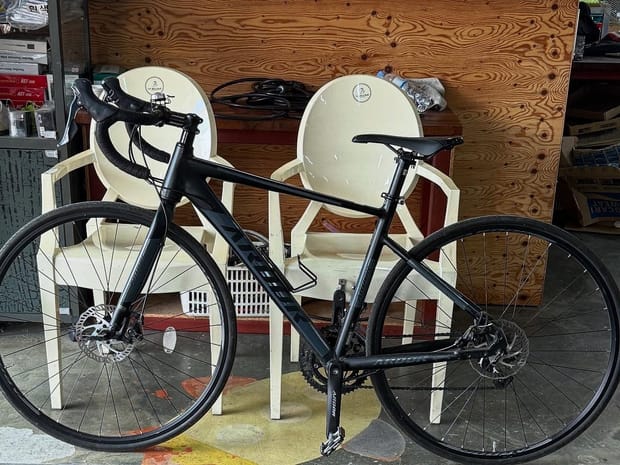
Midway, the old Neungnae Station site is a standard stop among riders. People rest, eat, and linger. A bowl of spicy bibim noodles or a plate of seafood pancake is the usual order. One practical note: this area does not have Seoul’s public bikes, so you will need to rent from a local shop near the station. Road bikes and e-bikes are both common.
Field Notes for Travelers
Recommended spots
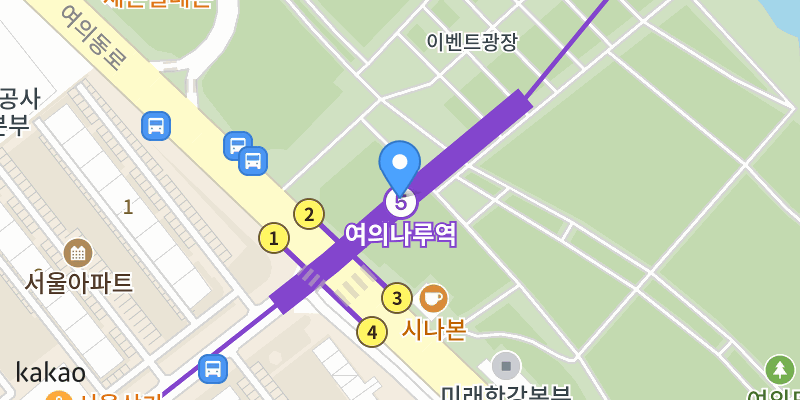
• Yeouido Hangang Park (near Yeouinaru Station)
Great skyline views, a classic river atmosphere, and a prime spot for the convenience store noodle ritual.

• Banpo Bridge area (near Express Bus Terminal Station)
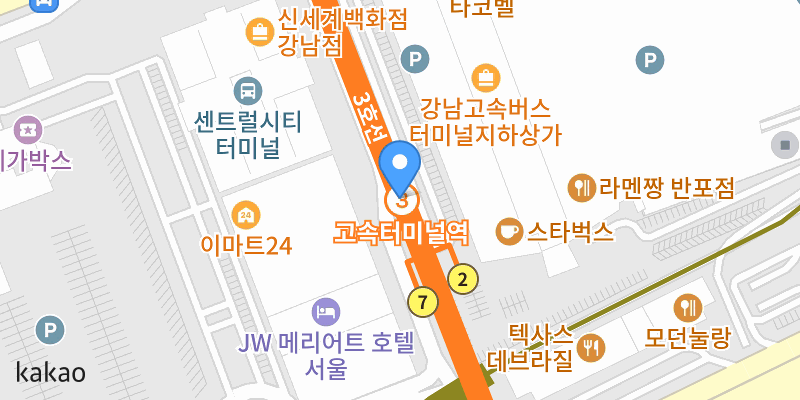
A more romantic stretch, especially in the evening when the bridge lighting turns the river into a stage.

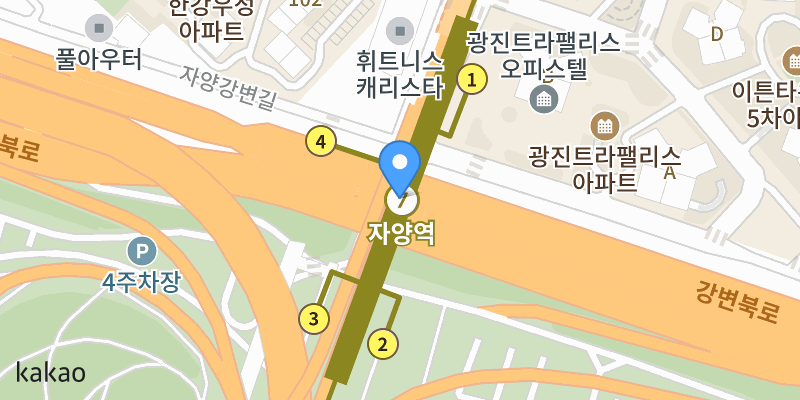
• Ttukseom Hangang Park (near Jayang Station)
Close to Seongsu, so you can pair a river ride with cafes and street wandering without changing neighborhoods.

Useful tips
• App and payment
Use the “Seoul Bike” app and look for the Foreigner option to pay with an overseas card.
• Maps
For cycling navigation in Korea, Naver Map or Kakao Map usually gives more accurate bike routing than Google Maps.
Etiquette
• Keep to the right as the default flow.
• Pass on the left, and use a light bell ring as a signal.
• At night, use a light. Ttareungi bikes handle this automatically.
Syn-K Takeaway
Seoul gives you a lot of ways to move, but cycling is the one that lets the city keep talking while you travel. The subway gets you there. The bike lets the in-between stay visible. An evening ride under the river lights, then a simple bowl of noodles from a convenience store, can end up feeling like the most intimate version of Seoul you take home. If you want the skyline, the people, and the slow river air in the same frame, grab a Ttareungi and let the Han do the routing.
Related Post
 Hayne S.