The Living Forest Stop You’ll Be Glad You Didn’t Skip
Seoul will give you the skyline and the Han River. Busan brings the sea and that restless coastal buzz. Jeju is Jeju.
But if your itinerary needs a clean breath of nature in between, there’s a place people keep coming back to.
That place is Chuncheon—and its most famous nature escape is Naminara Republic, Nami Island.
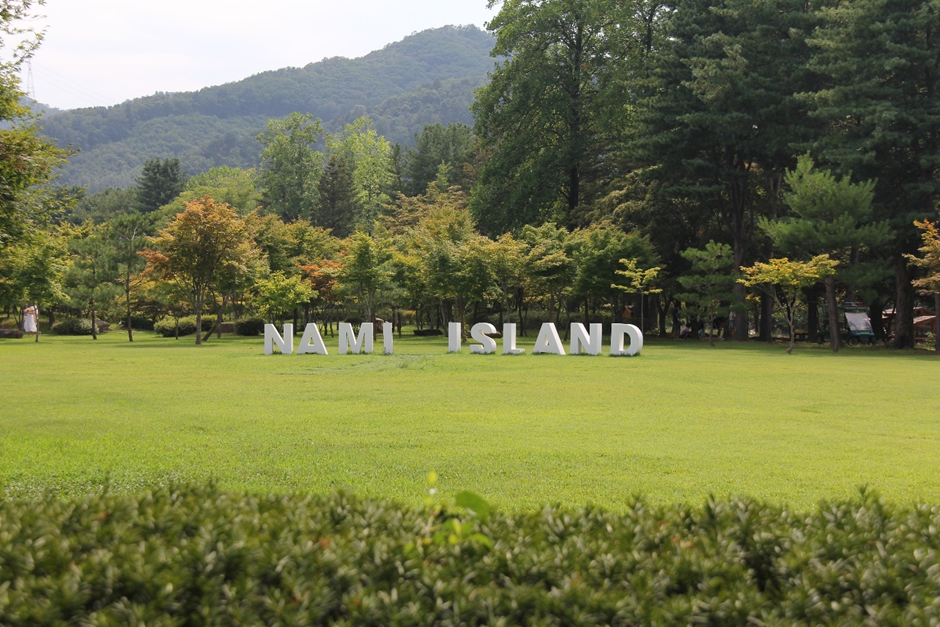
Yes, it’s a classic couples’ day-trip. And yes, you’ll recognize it from dramas and films. But the real appeal is simpler: it’s one of the easiest places in Korea to feel genuinely surrounded by trees.
How you enter sets the mood
You’ve got two options:
Zipline
Fun, different, and over fast. It’s on the pricier side, and the actual ride is short—at most around two minutes.
Ferry
The calmer choice. You cross the Bukhangang River slowly, with enough time to actually look around. The ride is about 10 minutes, and it eases you into the island’s pace in the most natural way.
One small thing that saves you time later.
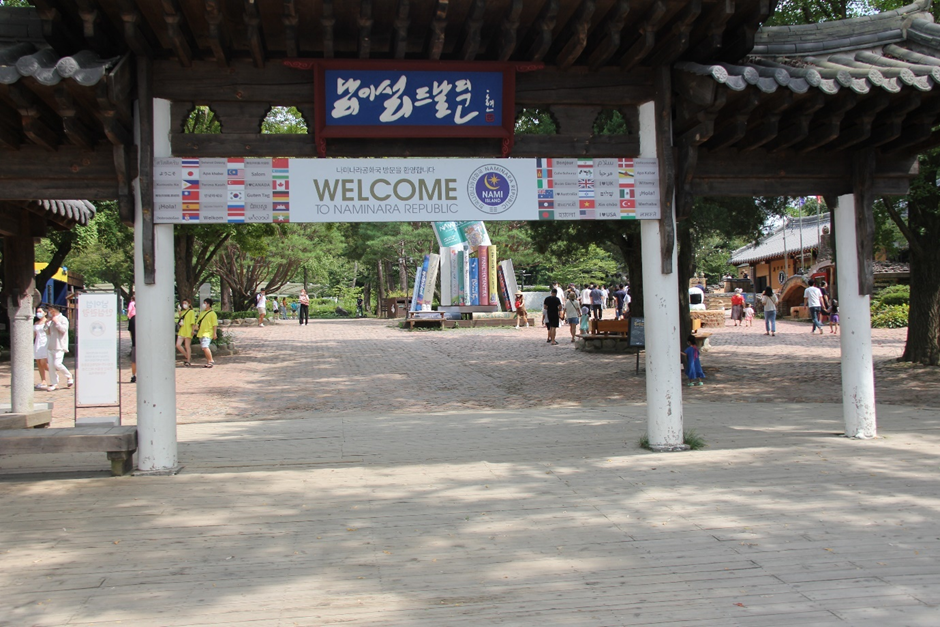
Nami Island isn’t “one pretty corner.” The whole island keeps serving scenery.
It’s not huge, but the paths split in a few directions—so if you wander without a plan, your route can get weirdly tangled.
Right after you step off at the dock, grab a map from the information desk in front of you. Even a loose route makes the full walk feel smoother. Maps come in multiple languages, so just take the one you need.
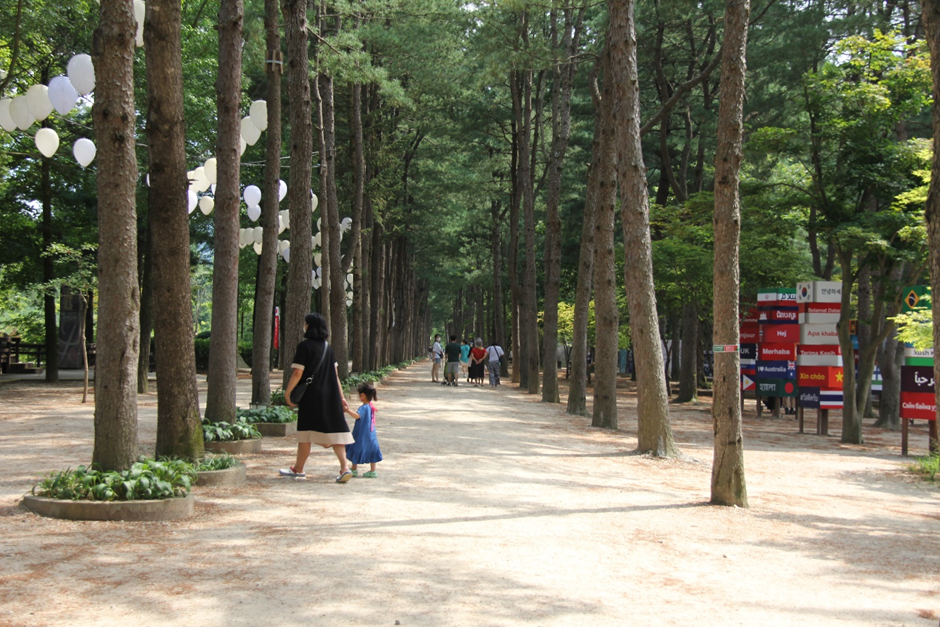
The moments you really shouldn’t miss.
If you’re going to be thorough, great—there’s plenty to wander. But these are the two things I’d still prioritize.
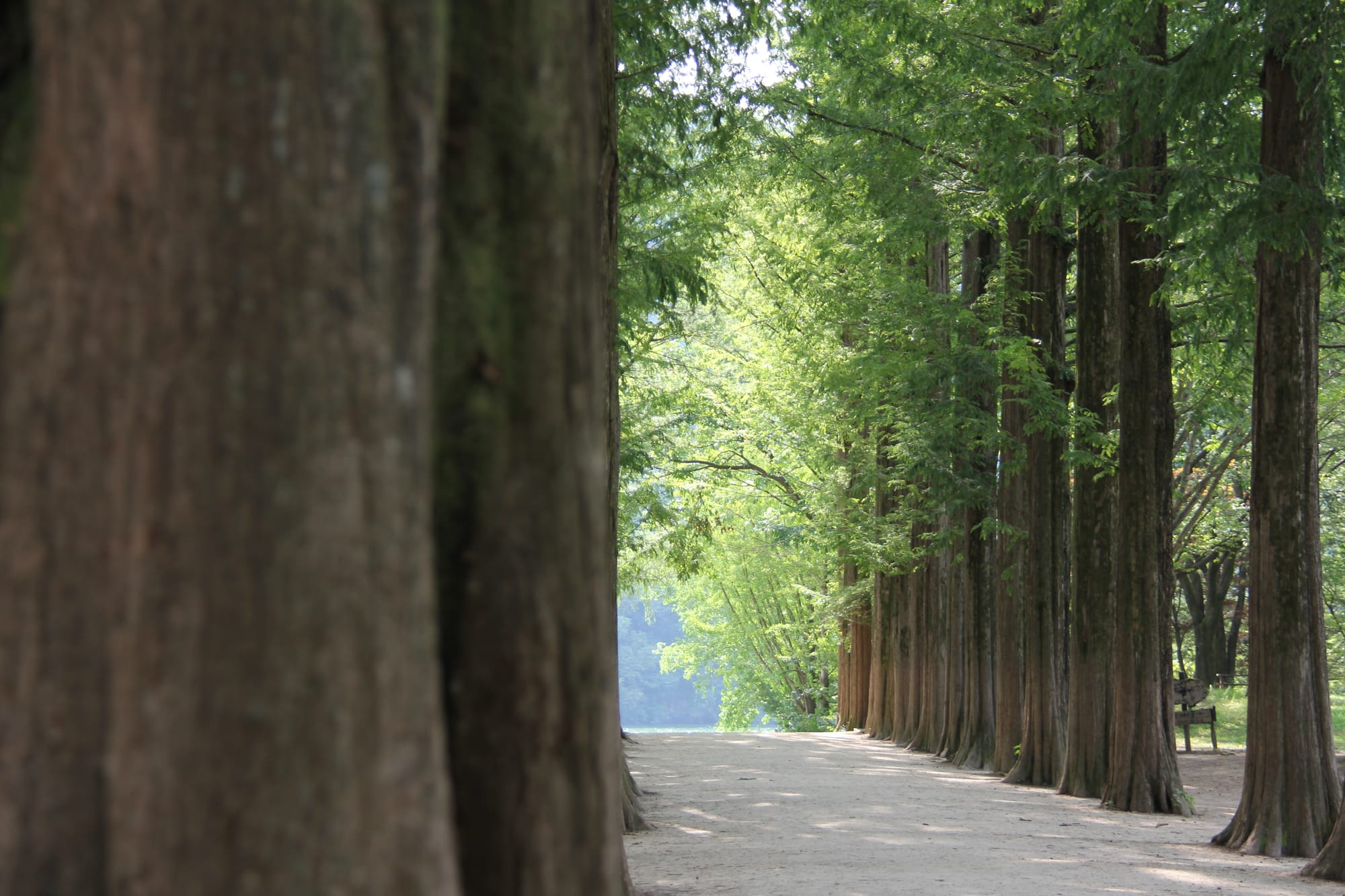
The Metasequoia Road
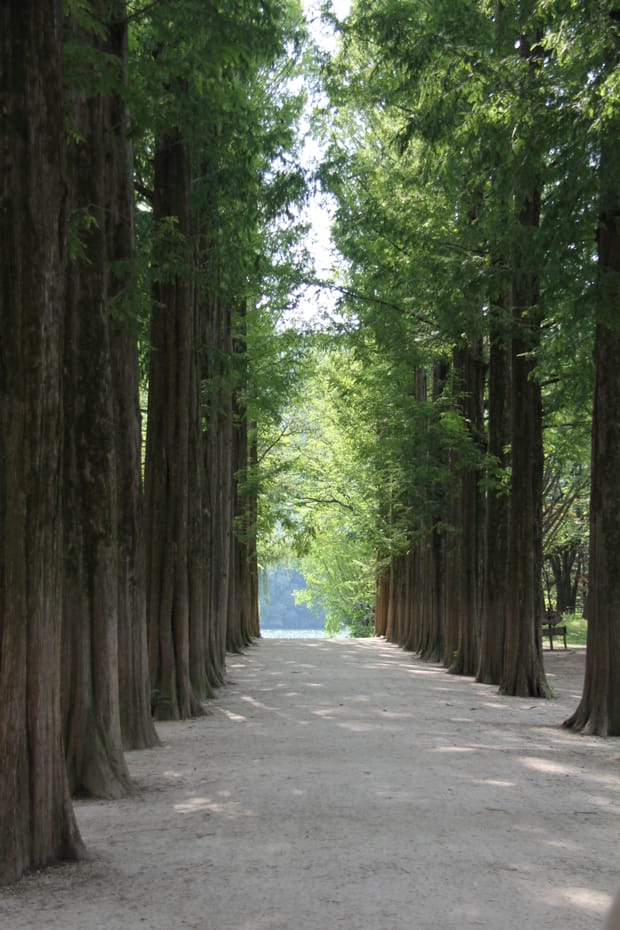
This is the signature scene: towering metasequoias lined up on both sides, straight as if they were planted with a ruler. Walking through it feels like entering a long green tunnel—and it’s basically impossible not to take photos.
The riverside walking bridge at the far edge
I’ve been to Nami Island more than ten times, and this is the spot I keep recommending.
Most visitors don’t end up here. A lot of locals don’t either. It sits away from the polished photo zones, near the island’s edge, where the path runs alongside the river.
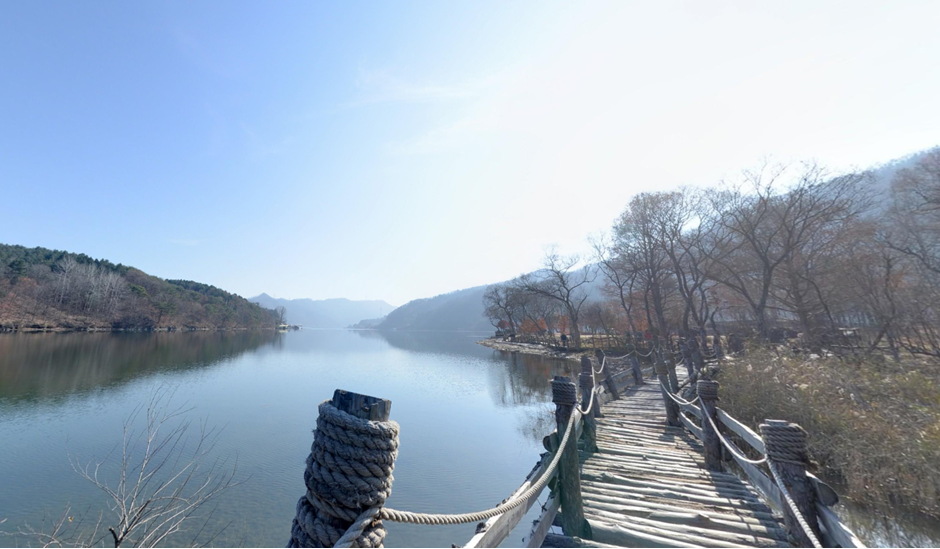
You’ll eventually reach a bridge that looks a little flimsy—just enough to make you hesitate for half a second. But crossing it is the point.
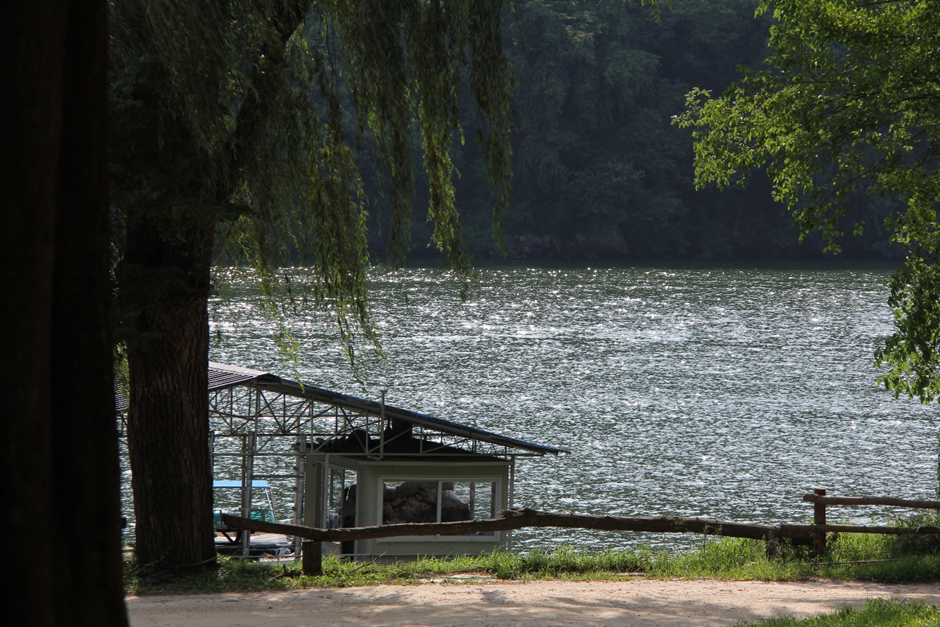
Out here, it’s not the “tree tunnel” feeling anymore. The view opens wide: river, light, that glittering shimmer on the surface. And for reasons that are hard to pin down, it lands. It’s the kind of moment that doesn’t translate perfectly into words—but you’ll know it when you’re standing there.
The animals that quietly prove this place is “alive”
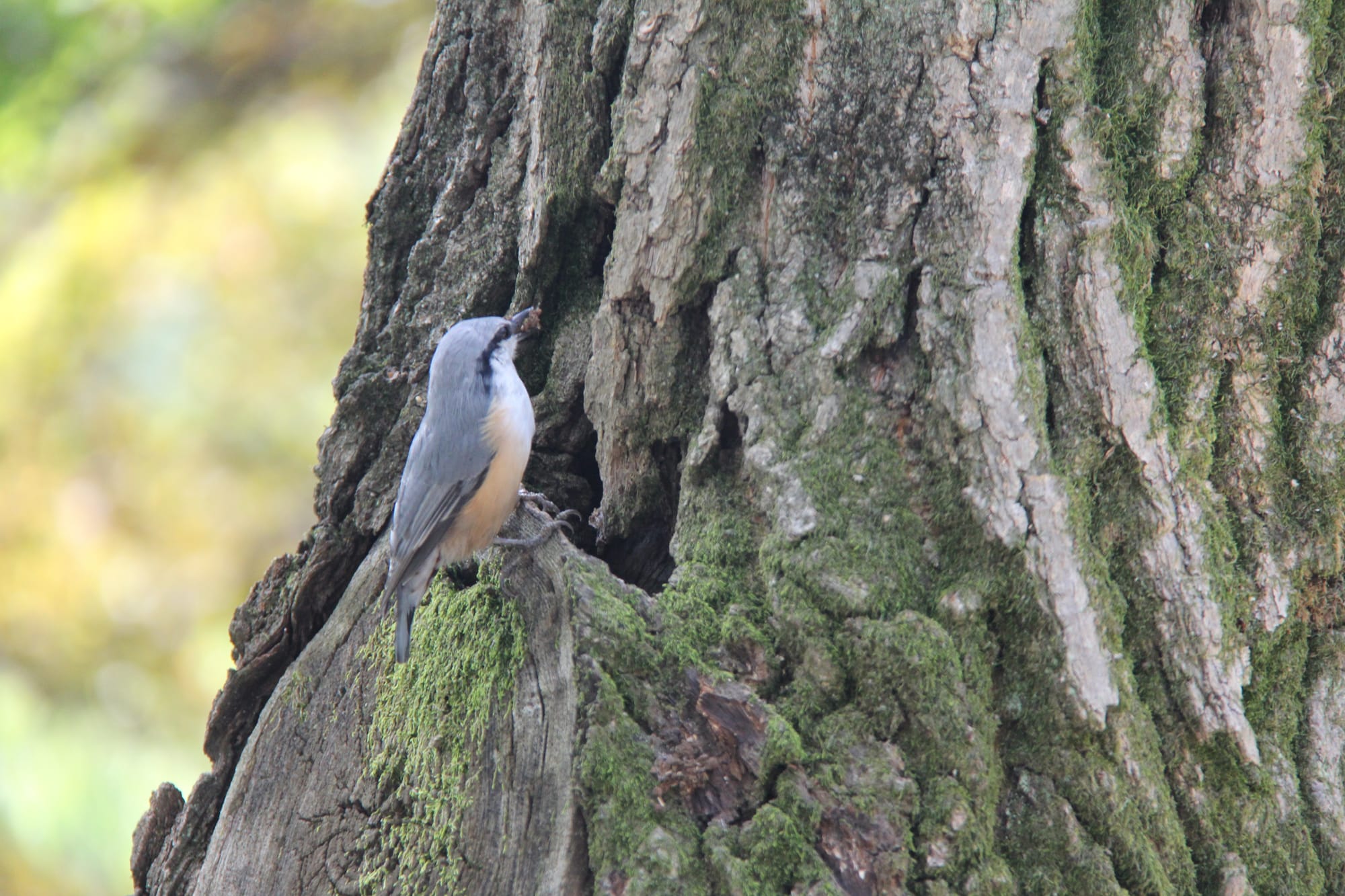
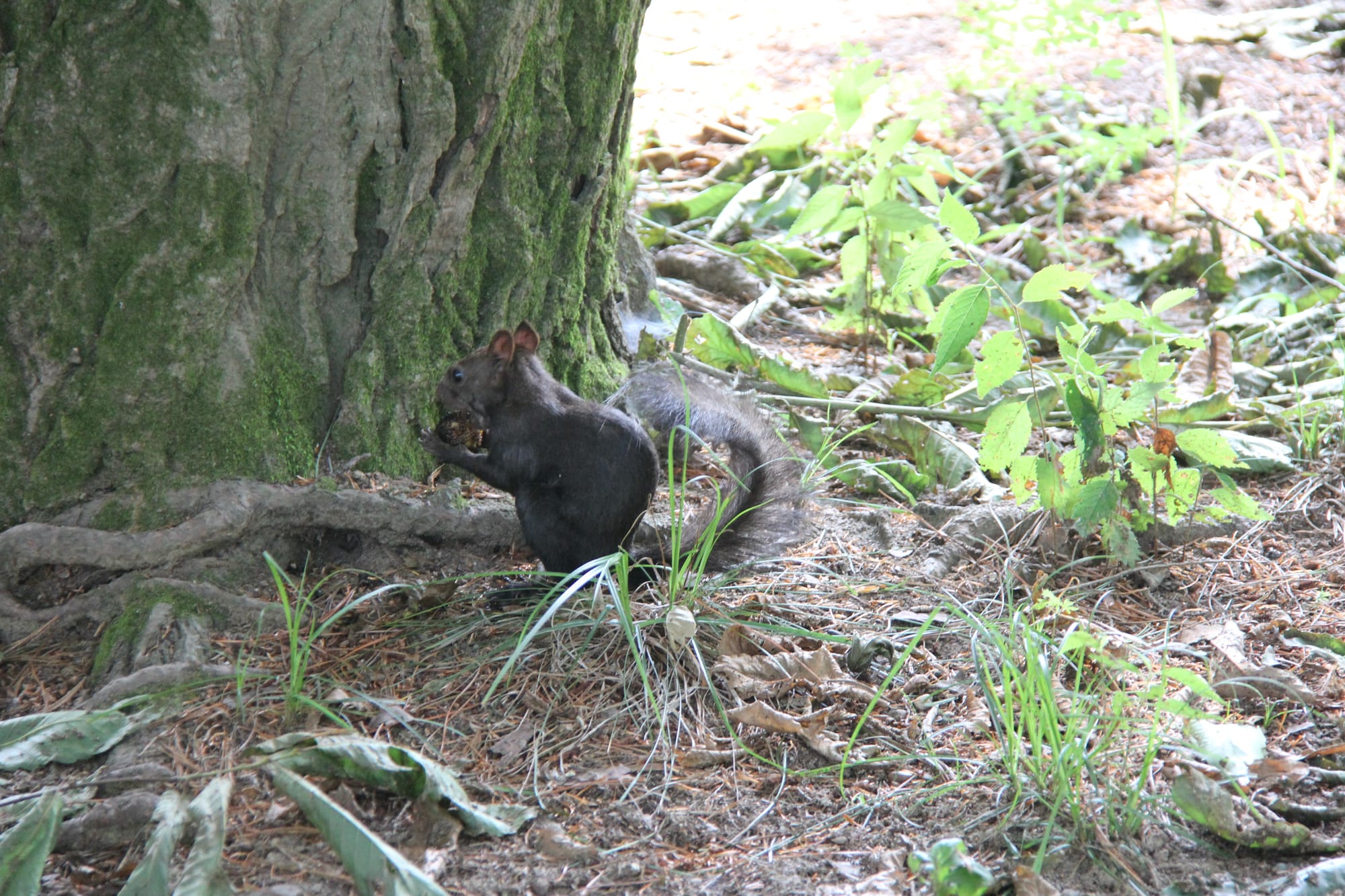
A third reason Nami Island feels so real is the animals. You’ll be walking along a normal path and suddenly think, “Wait… is this a zoo?” because so many different animals just roam around in the open, like they own the place.
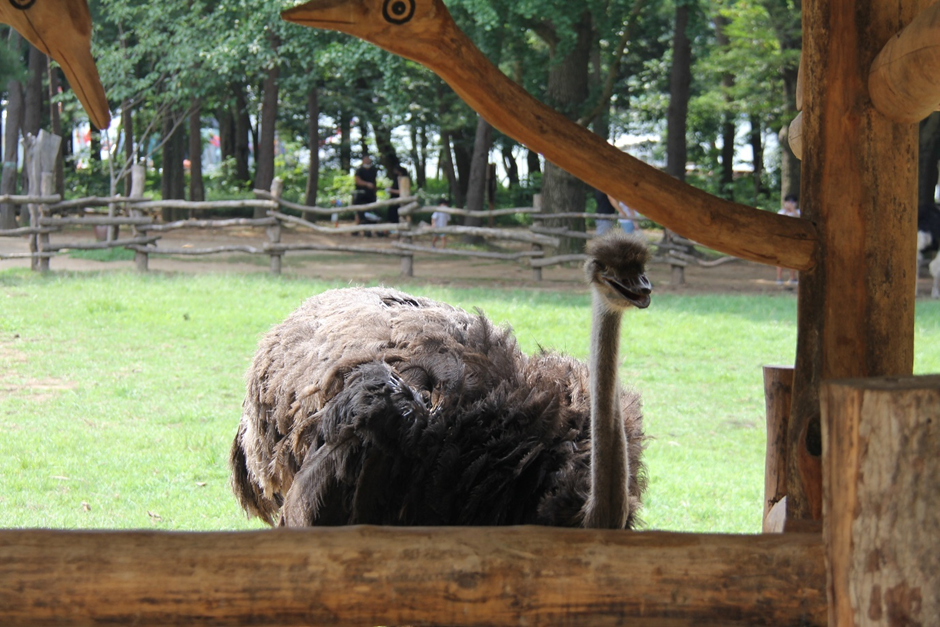
One of the most memorable characters is an ostrich locals nickname “Gang-ta.” It used to wander freely across the island, but it caused enough trouble stealing visitors’ snacks and creating little incidents that it earned the name. “Gang” is used in English too, with basically the same meaning. “Ta” comes from the first syllable of the Korean word for ostrich, tajo, shortened into a nickname.
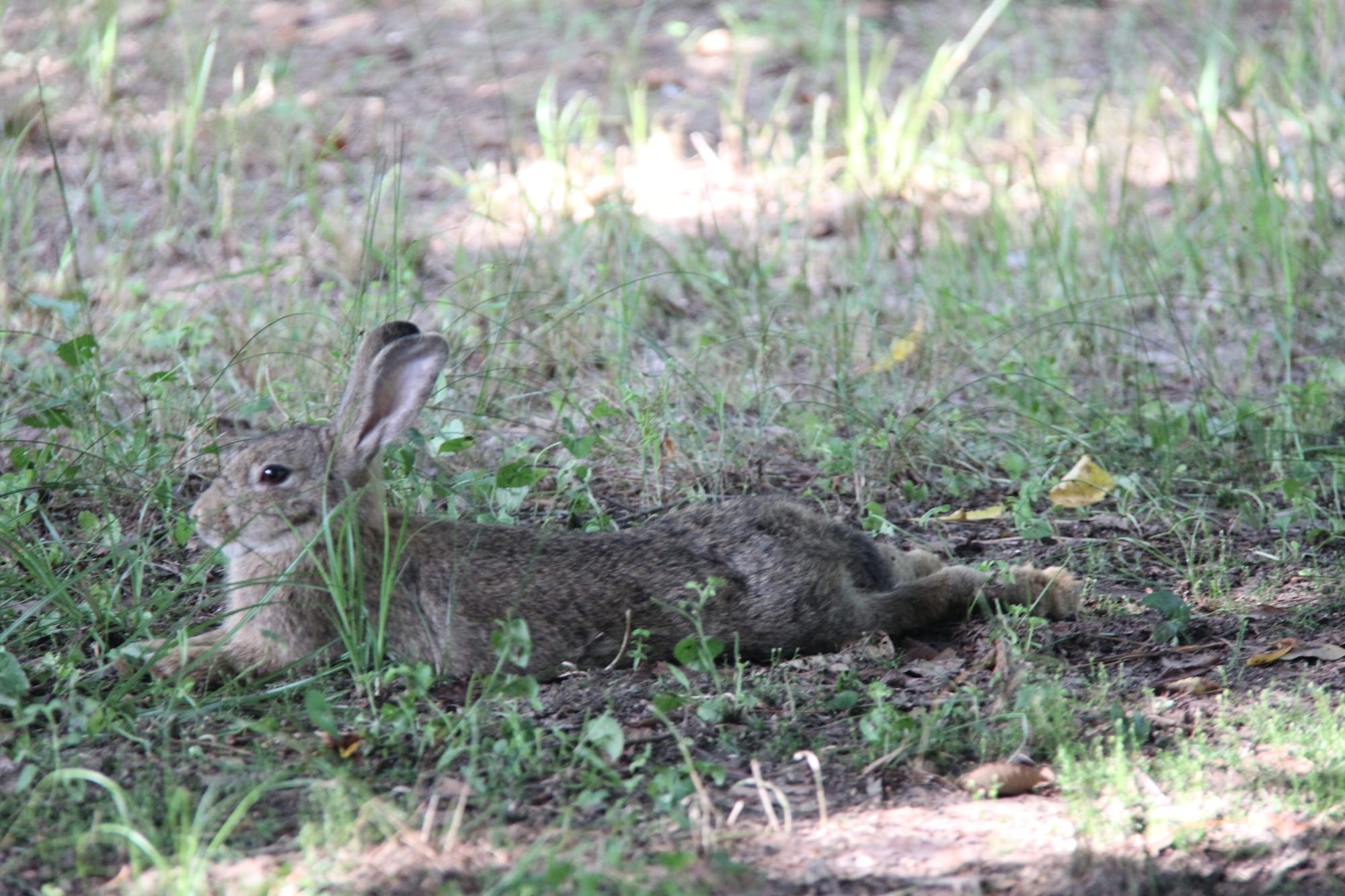
And it’s not just the ostrich. You’ll see rabbits stretched out on the grass like they’re taking a midday nap, squirrels munching on pinecones they’ve found on the path, and if you’re lucky, a peacock fanning out its wings like it’s putting on a private show.
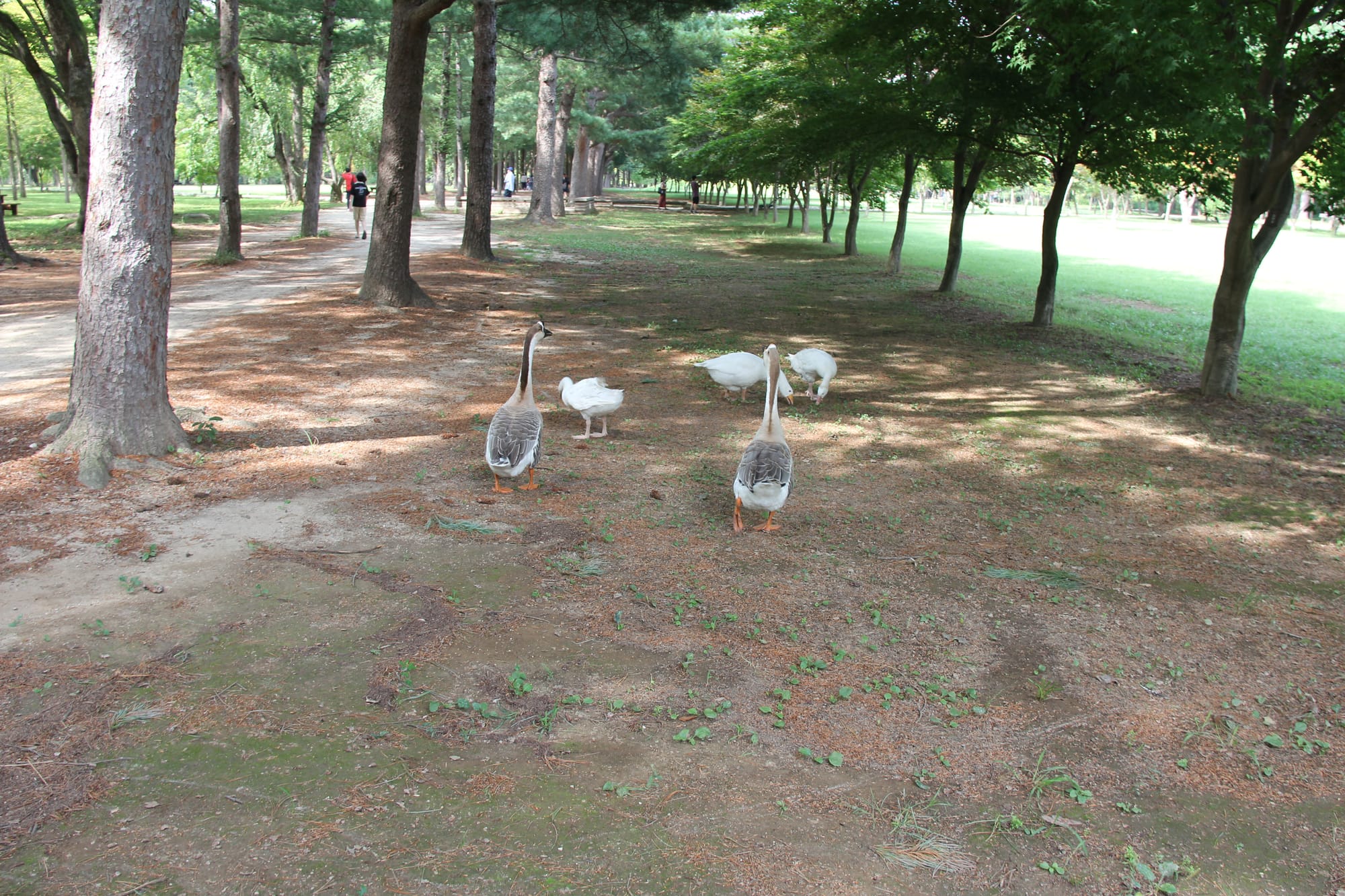
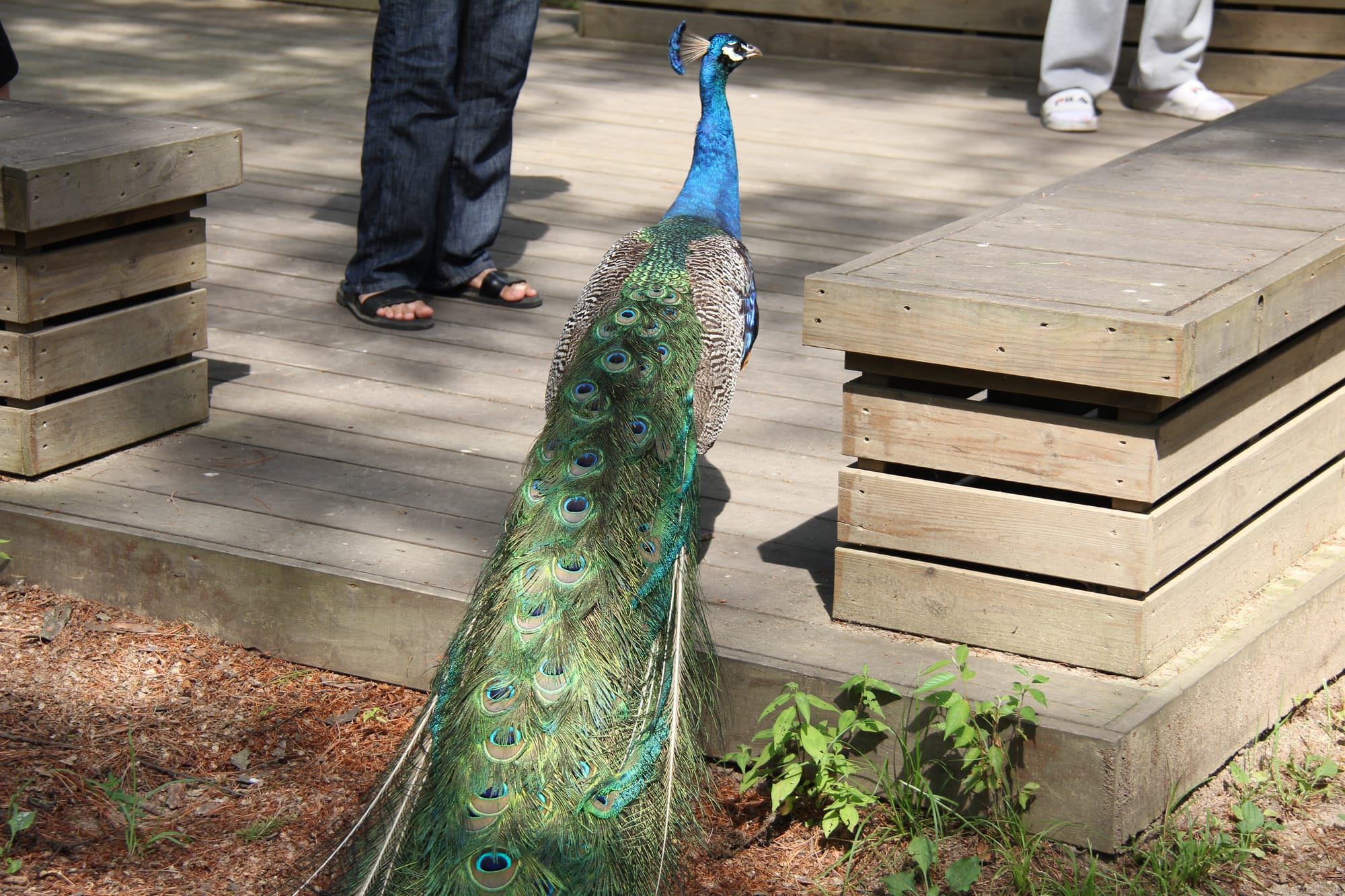
There are other animals too, and that’s part of what makes Nami Island so fun: you’re not looking at them behind fences. You’re just walking, and they’re moving through the island the same way you are, like fellow visitors with better timing.
Every season is the season
The fourth thing is simple but important: Nami Island works in every season.
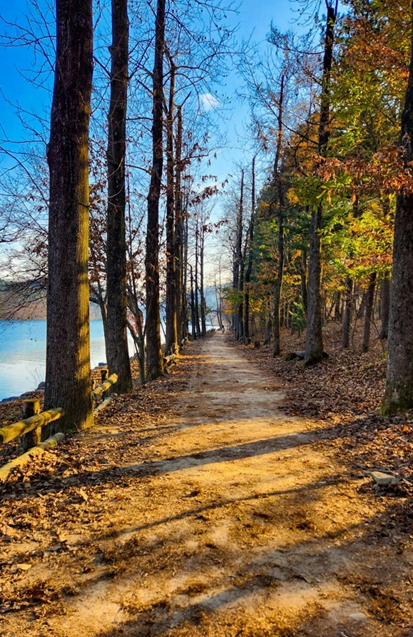
It’s almost like an element that changes form throughout the year, each version with its own kind of beauty. In spring, cherry blossoms bloom so fully they can feel like snowfall. In summer, everything turns intensely green, like the island has been painted over. In fall, the world shifts into yellow as ginkgo leaves scatter and swirl. In winter, it becomes a quiet forest covered in white, the kind of scene that looks unreal in photos and somehow even better in person.
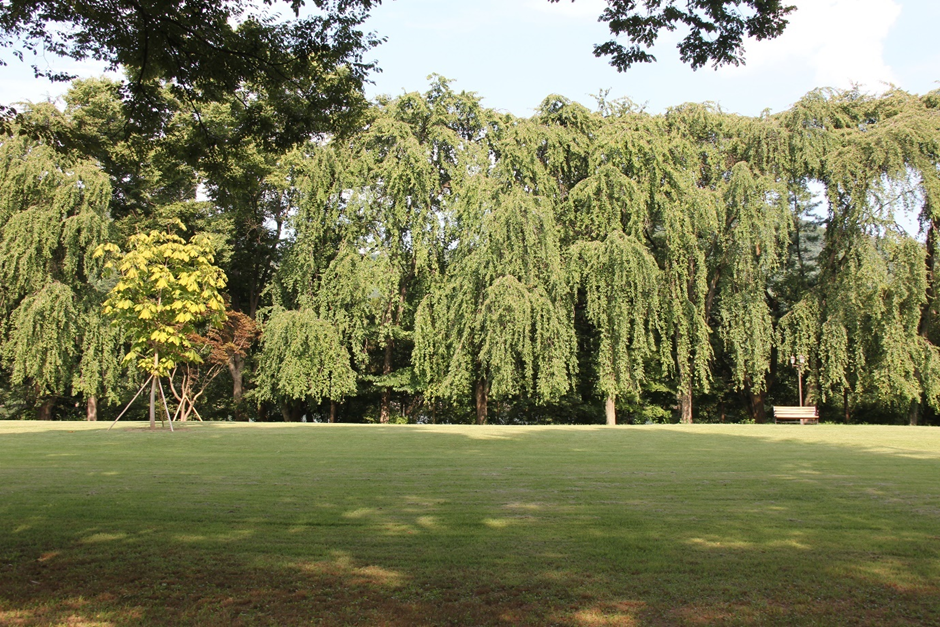
Which means the timing doesn’t have to be perfect. Whenever you show up, Nami Island tends to be pretty.
There’s more than you could reasonably fit into one day.
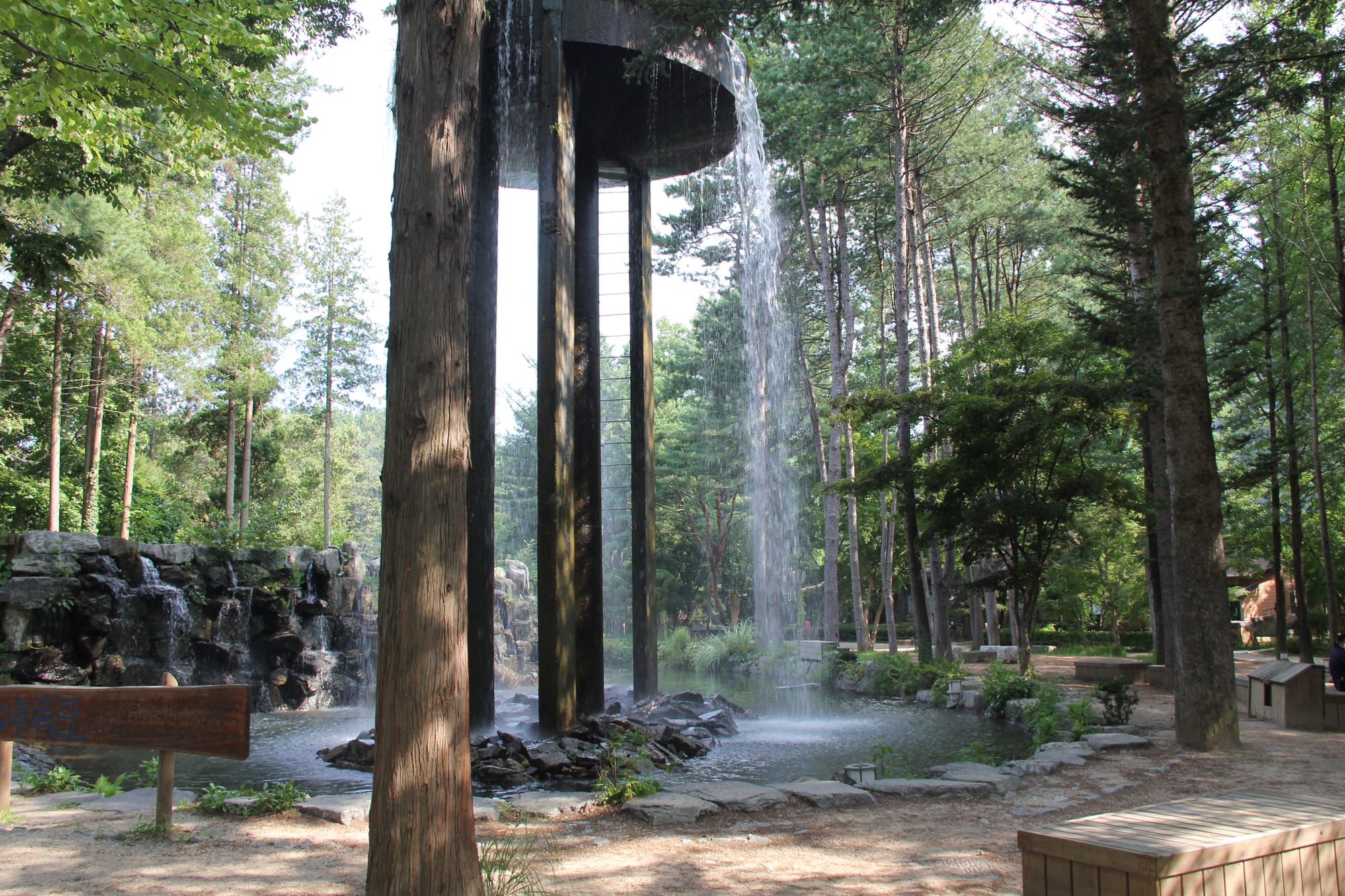
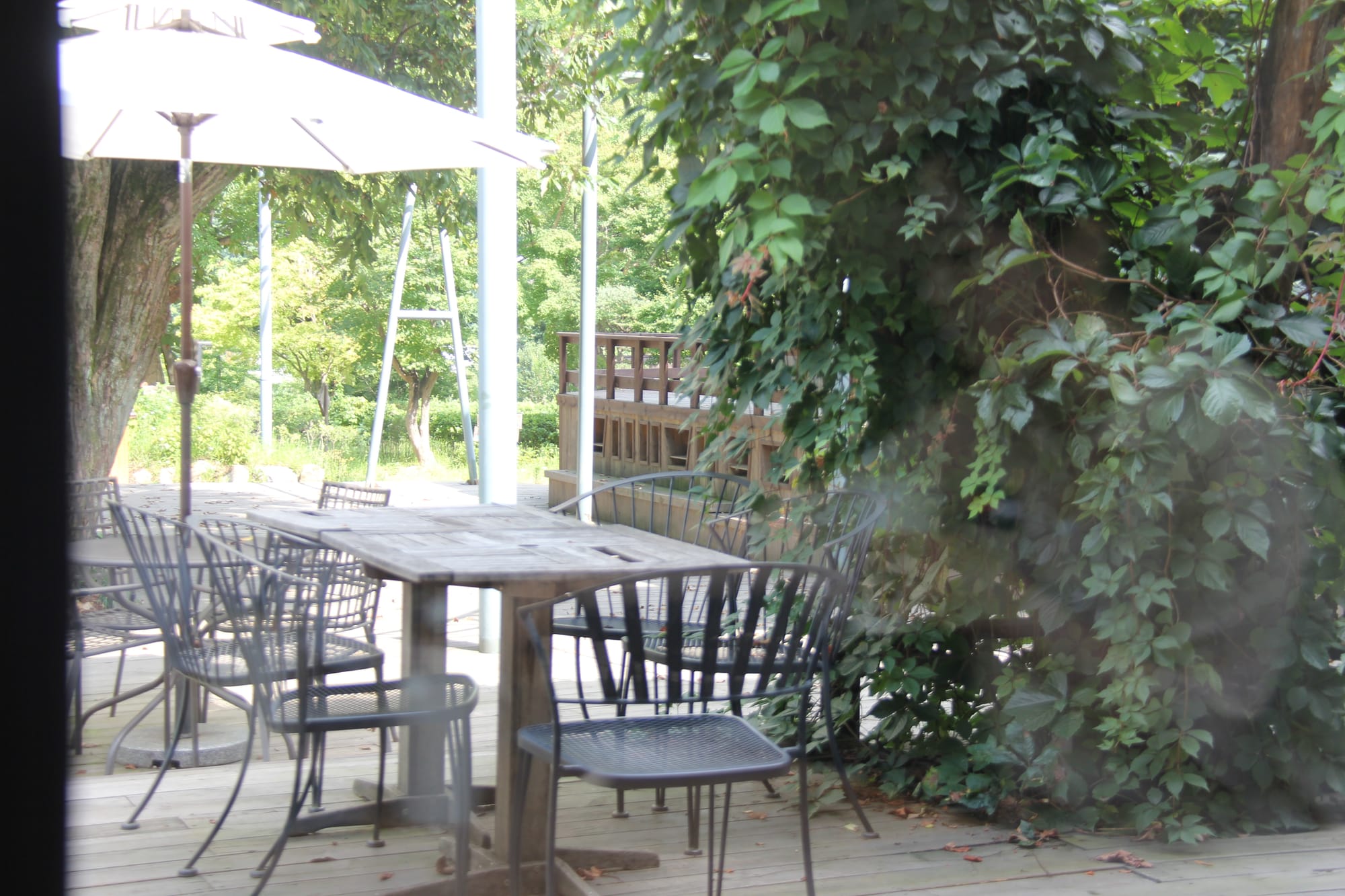
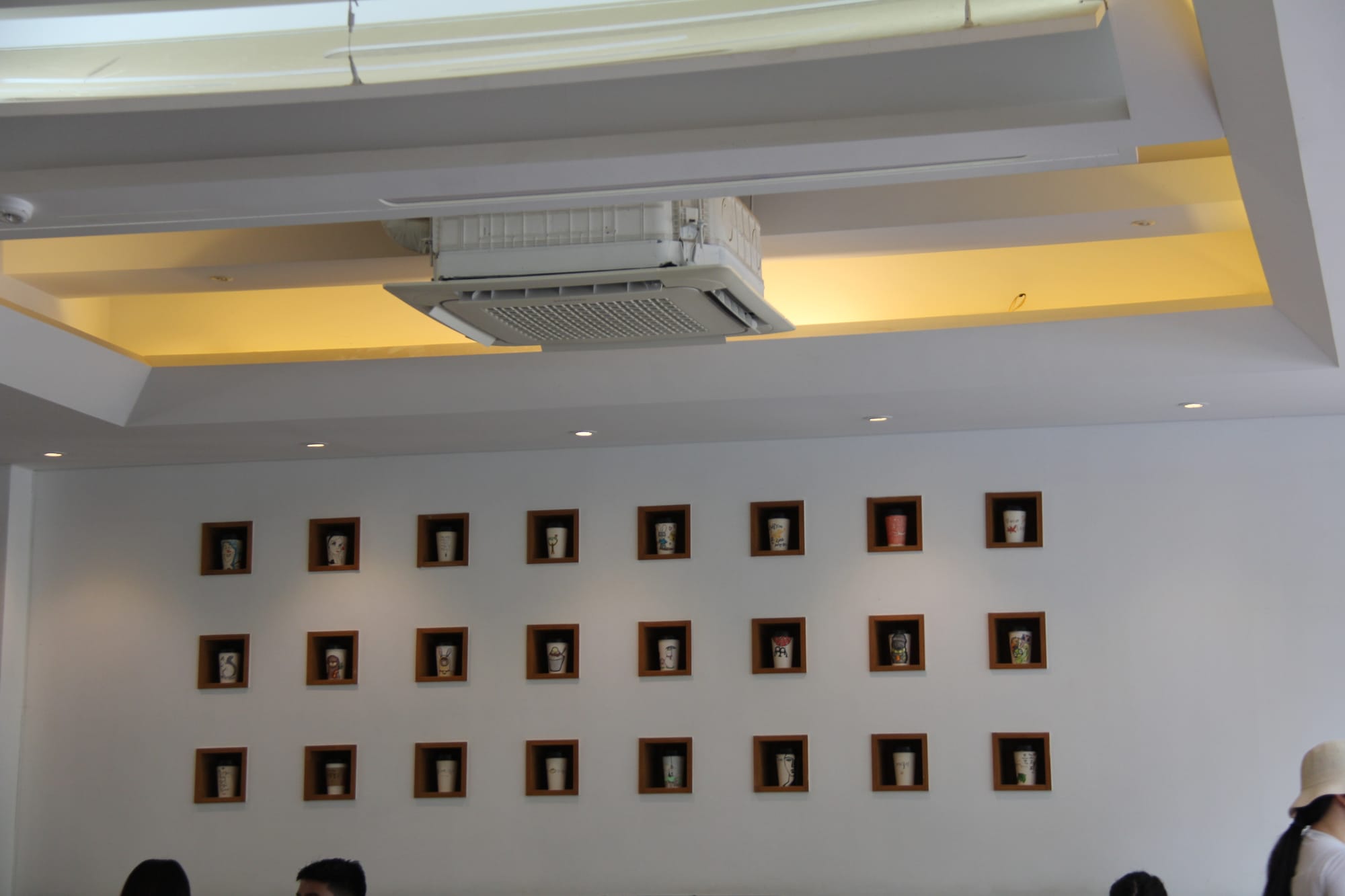
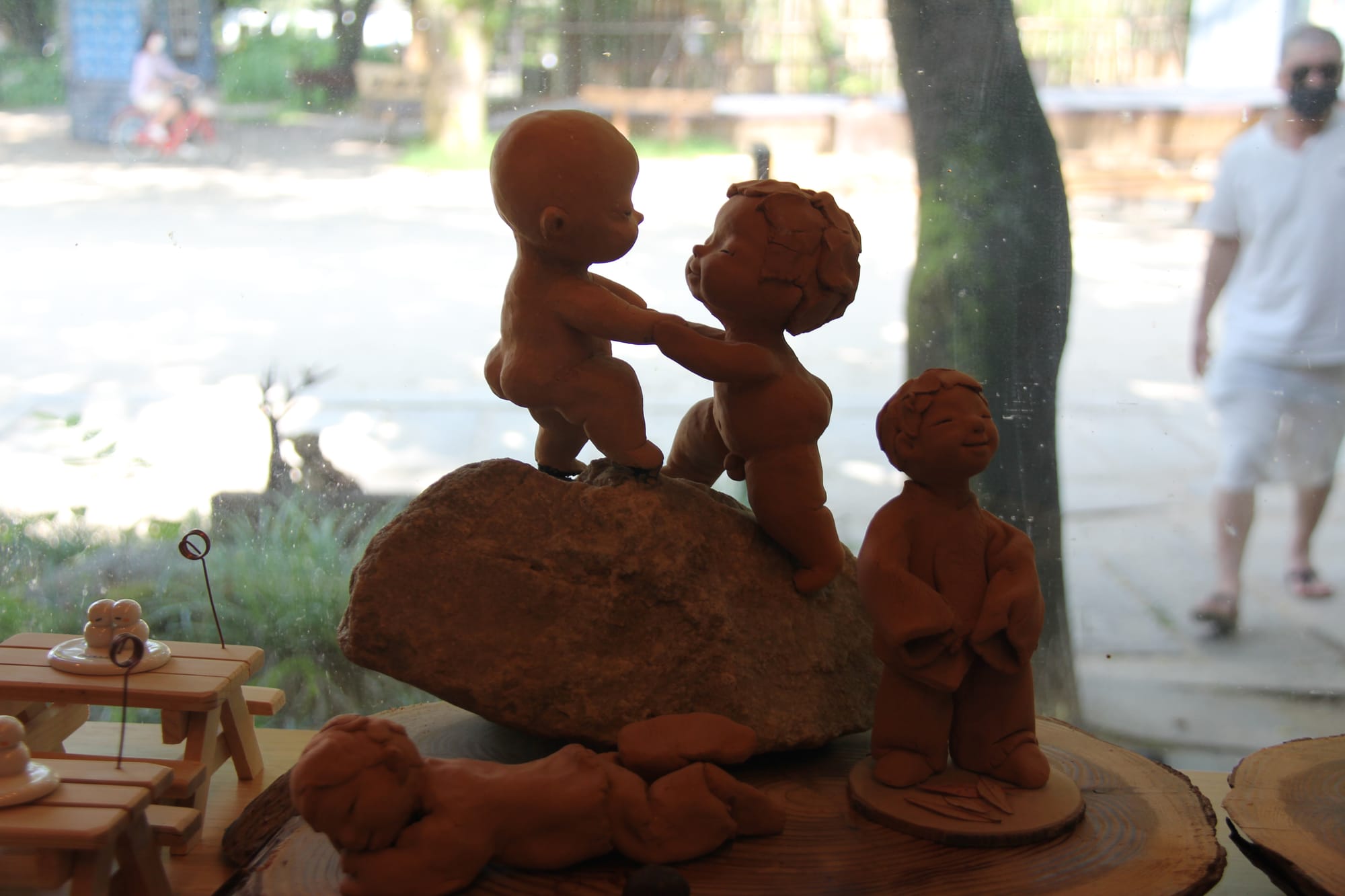
Even beyond the highlights above, the island is packed with things that make it feel like a complete, self-contained trip. There are spots where you can ride a little train and film along the tracks, statues that keep appearing as you walk, a museum, bike rentals, a sky bike, festival stages that pop up from time to time, a waterfall garden, campers set up for the day, an on-island hotel, and plenty of cafes and snack stops for breaks in between. As a tourist destination, it’s honestly hard to argue with how “complete” it feels.
The move after Nami Island: eat Chuncheon dakgalbi
When you leave the island and take the ferry back to the mainland, you’ll notice something immediately: there are a lot of restaurants right in front of the dock, and more than 90 percent of them are dakgalbi places.
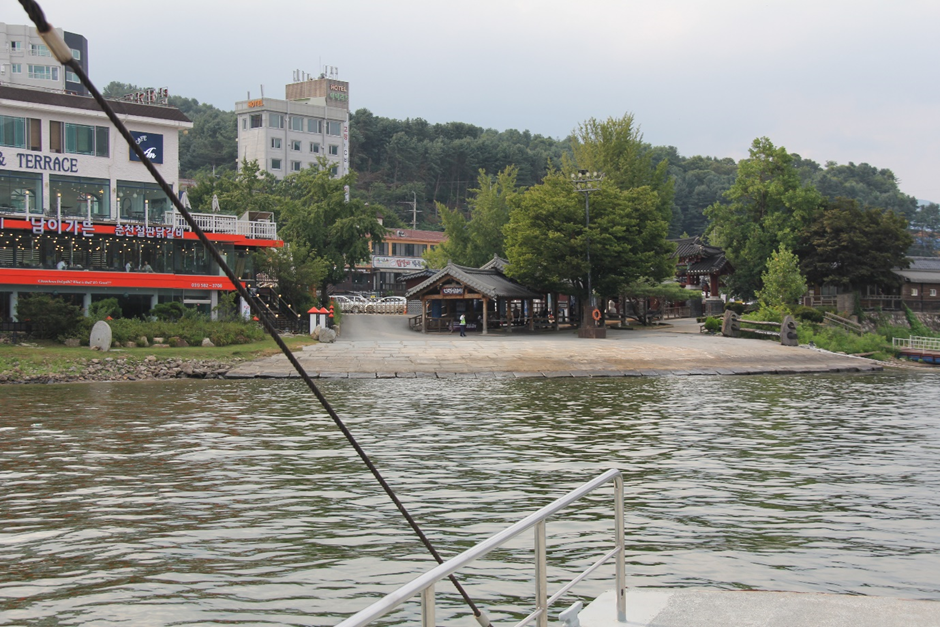
Chuncheon is known as the home of dakgalbi. So skipping it here can feel like you only did half the trip.
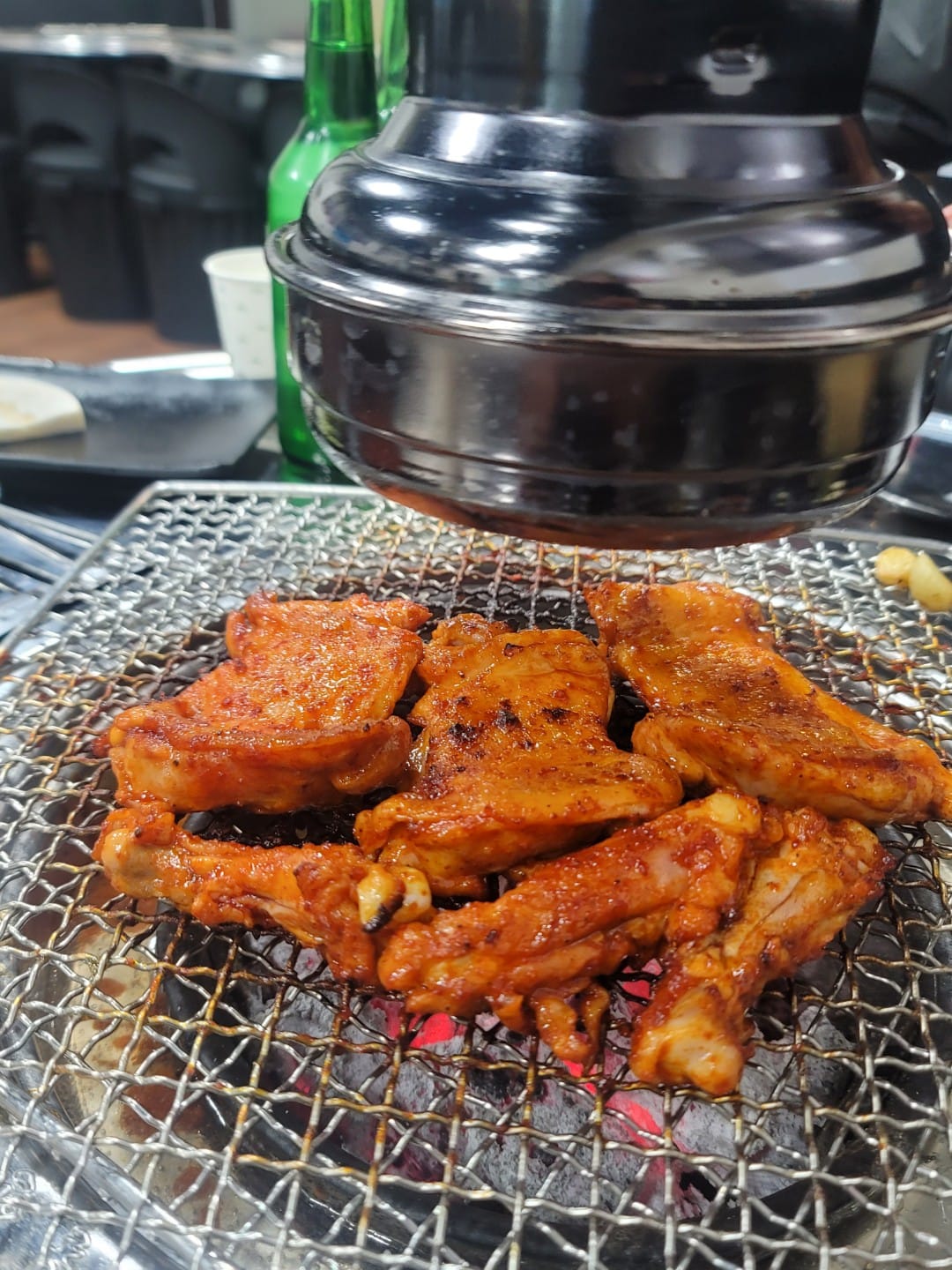
One fun local debate is basically the Korean version of “pizza vs. burgers”: are you team charcoal-grilled dakgalbi or team iron-plate stir-fried dakgalbi? If you want to understand the difference clearly and pick with confidence, that’s exactly what the separate “charcoal vs. iron plate dakgalbi” post is for.

Syn-K Takeaway
Nami Island isn’t just a place you visit to take a few pretty photos and move on. It’s one of the more distinctive stops in Korea. If your Korea itinerary is stacking up as culture and city after culture and city, try slotting in Nami Island as your “real nature” day. One day is enough. And if you end it with dakgalbi right by the dock, you’ll probably get why people keep coming back.
Related Post
 Hayne S.