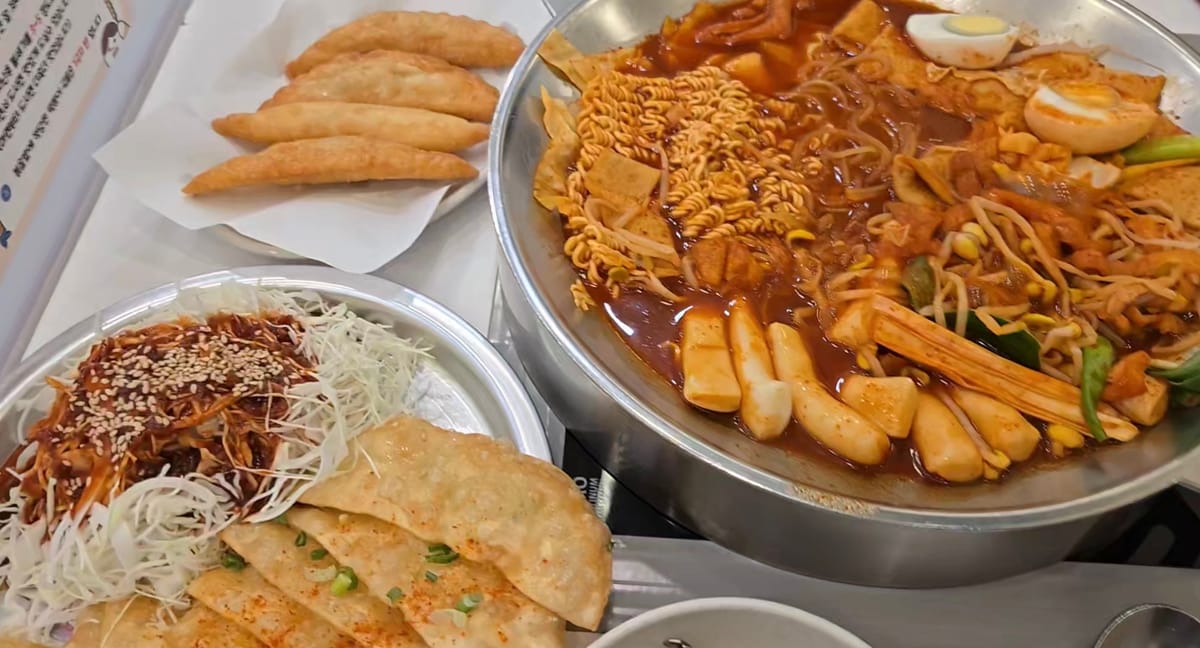
You know the moment. You’ve been doing Seoul correctly: sizzling barbecue, fried chicken “just one more time,” stew that tastes like comfort and chaos at once, plus nightly soju and a suspicious amount of iced coffee. Then you wake up and your stomach files a formal complaint.
That’s when juk shows up like the quiet friend who doesn’t judge you, just hands you a warm bowl and lets you reboot.
The “too much Korea, too fast” safety food
Korea is not gentle on day three. The food is bold, the drinking culture is enthusiastic, and your schedule probably looks like a sprint disguised as a vacation. If you’re waking up foggy, bloated, or just feeling like your body is running on low battery, juk is the easiest, lowest-effort way to get back to functional.
So… what is juk?
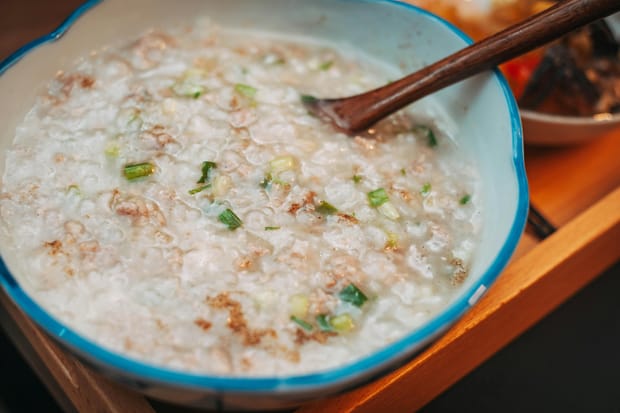
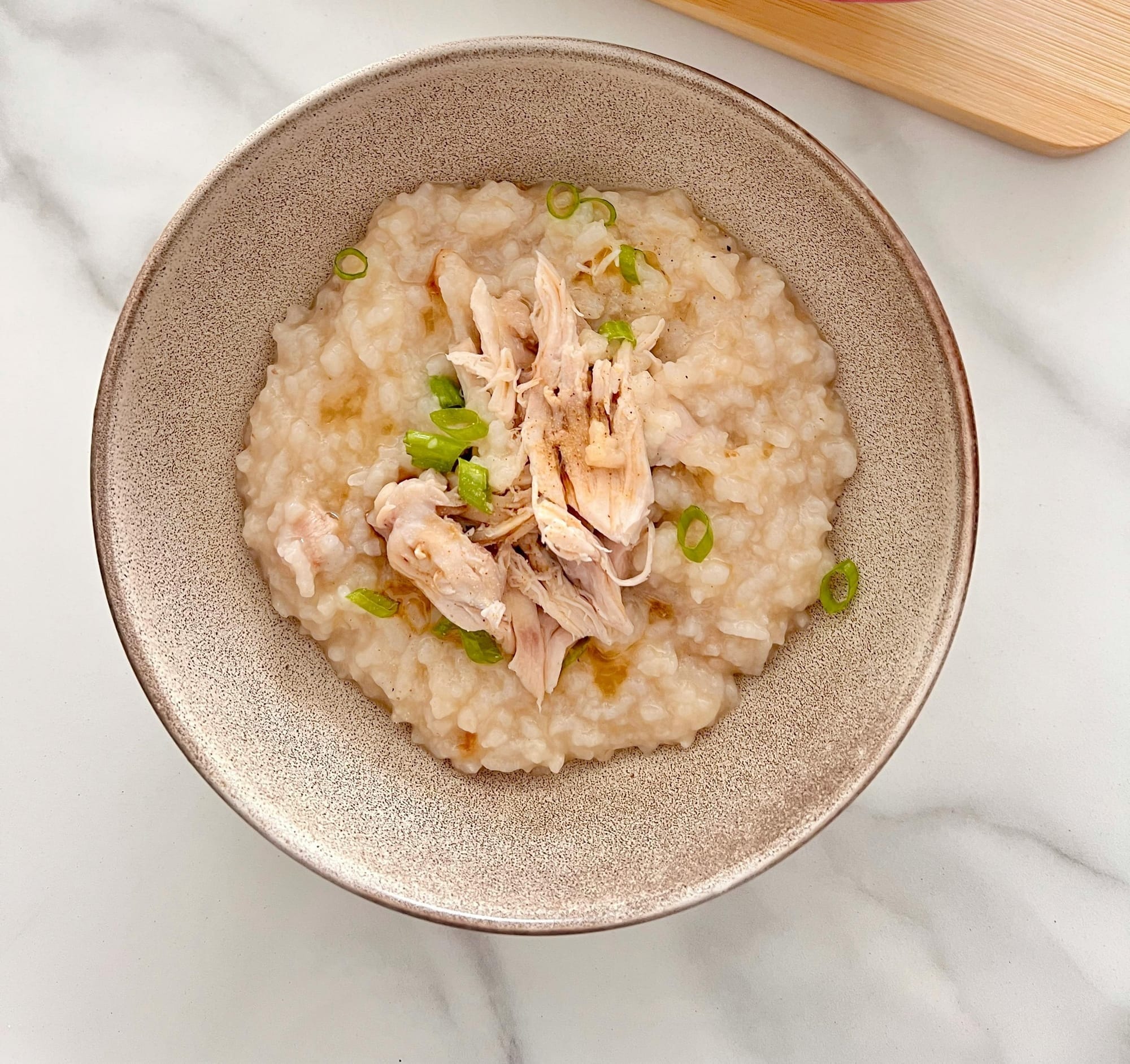
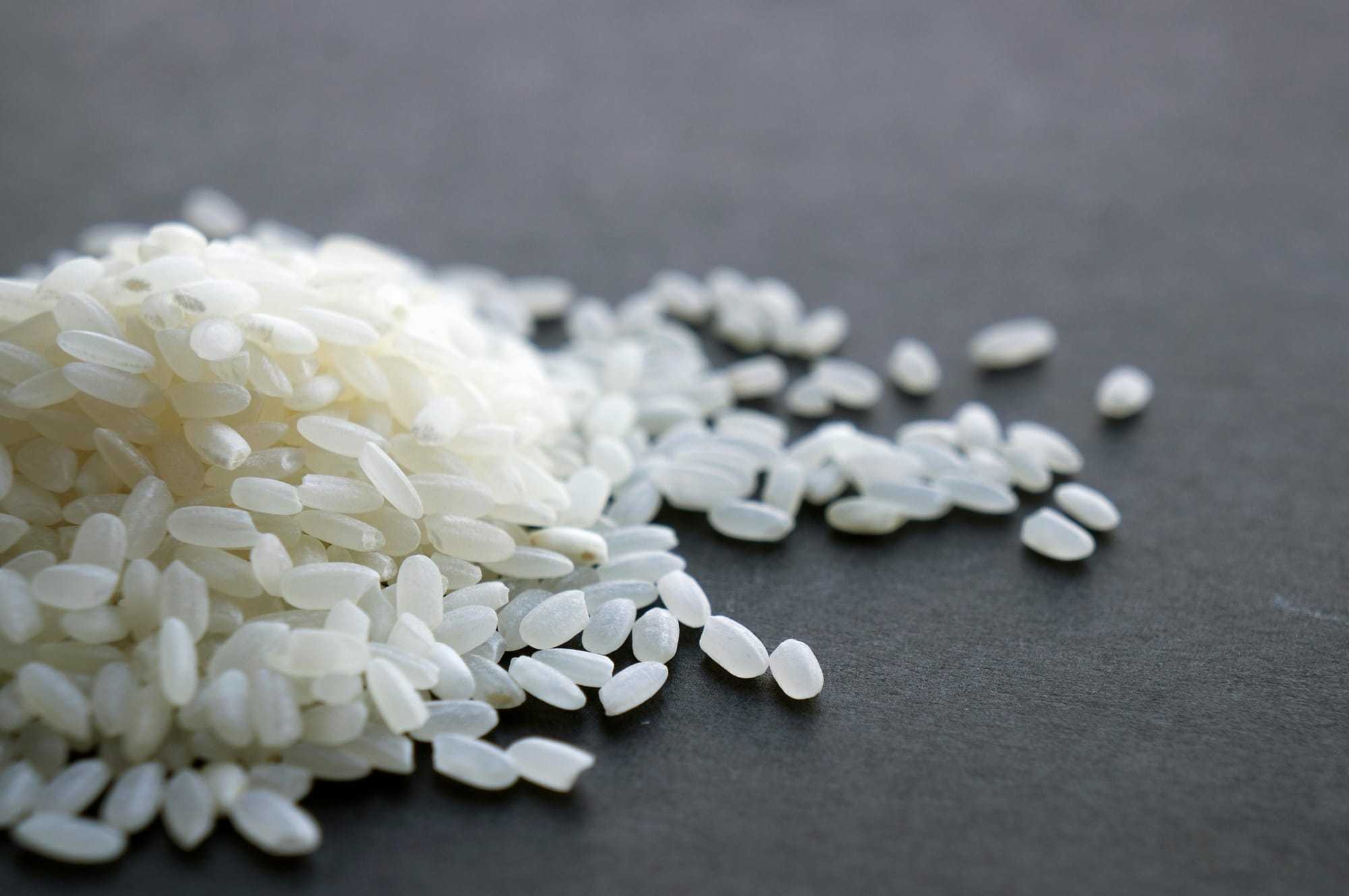
Juk is rice cooked down with water or broth until it turns soft and spoonable, with the grains barely holding together. If you’re thinking risotto, you’re not far off in technique, but the vibe is different: lighter, cleaner, less rich. It’s food that doesn’t ask your stomach to work overtime. It’s basically giving your digestive system a tiny paid vacation.
Where to get it without overthinking: Bonjuk
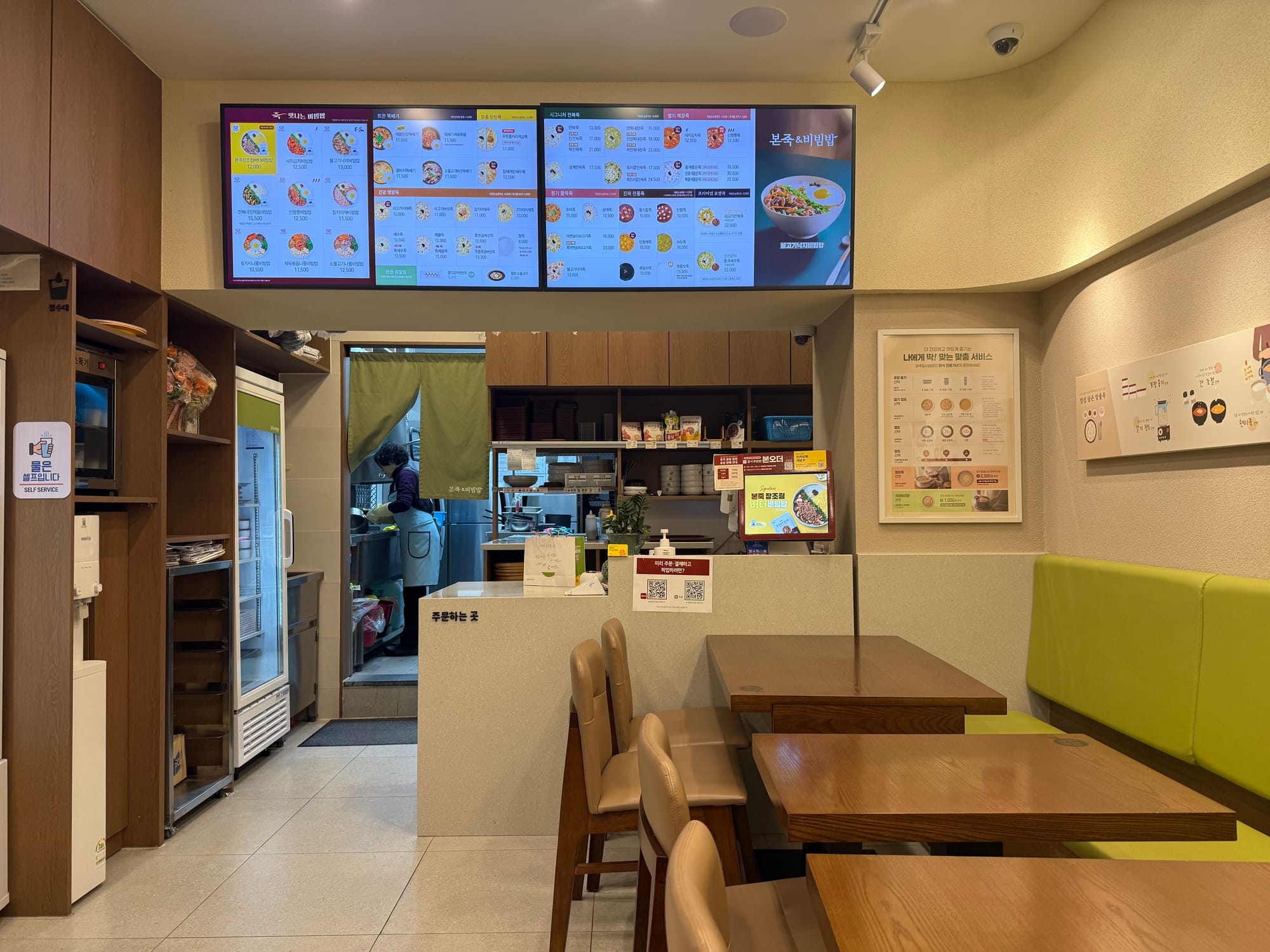
If you want the “reliable chain that will not betray you” option, search Bonjuk on Kakao Map. It’s the best-known juk specialty chain in Korea, and it’s everywhere, which matters when you’re not in the mood for culinary exploration.
Bonjuk also does something underrated for travelers: the ordering is easy. Photo menus are common, the options are consistent, and you’re not stuck playing guessing games with unfamiliar dishes when you feel half-human.
What to order, depending on your situation
This is the part where the menu gets way bigger than you expect and you freeze for ten seconds. Here’s the shortcut:
Abalone juk
The “I want something that feels restorative” bowl. It’s rich without being heavy, and it has that classic Korean wellness-food reputation.
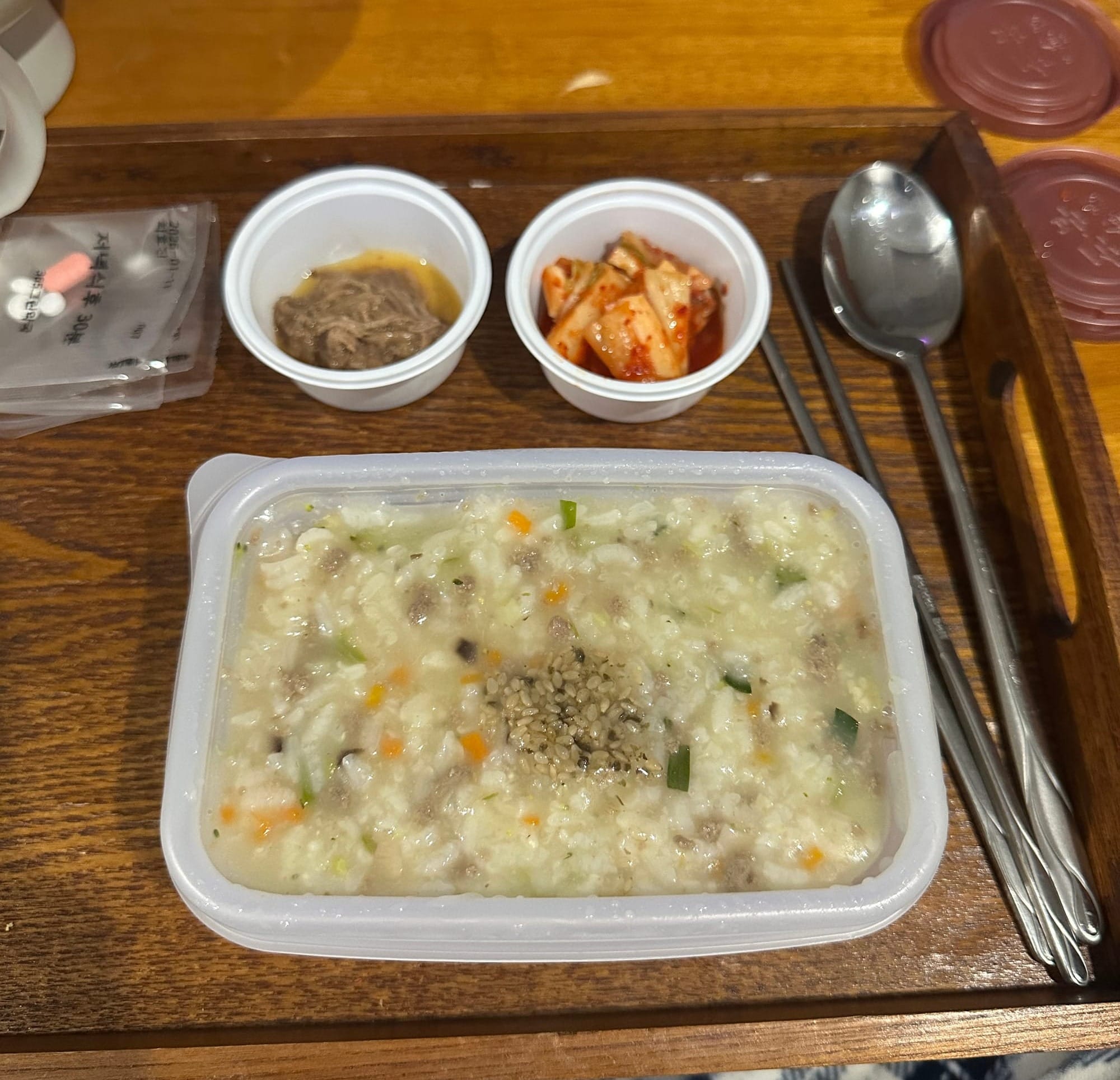
Beef and mushroom juk
The safest crowd-pleaser. Mild, savory, familiar, and it actually feels like a real meal instead of “sick food.”
Octopus and kimchi juk
For the morning after. Spicy, tangy, and a little more awake. If your head is loud and your stomach is negotiating, this is the bowl Koreans tend to reach for.
Vegetable and cheese juk
When you want gentle, but not boring. Creamier, more comforting, still soft and easy.
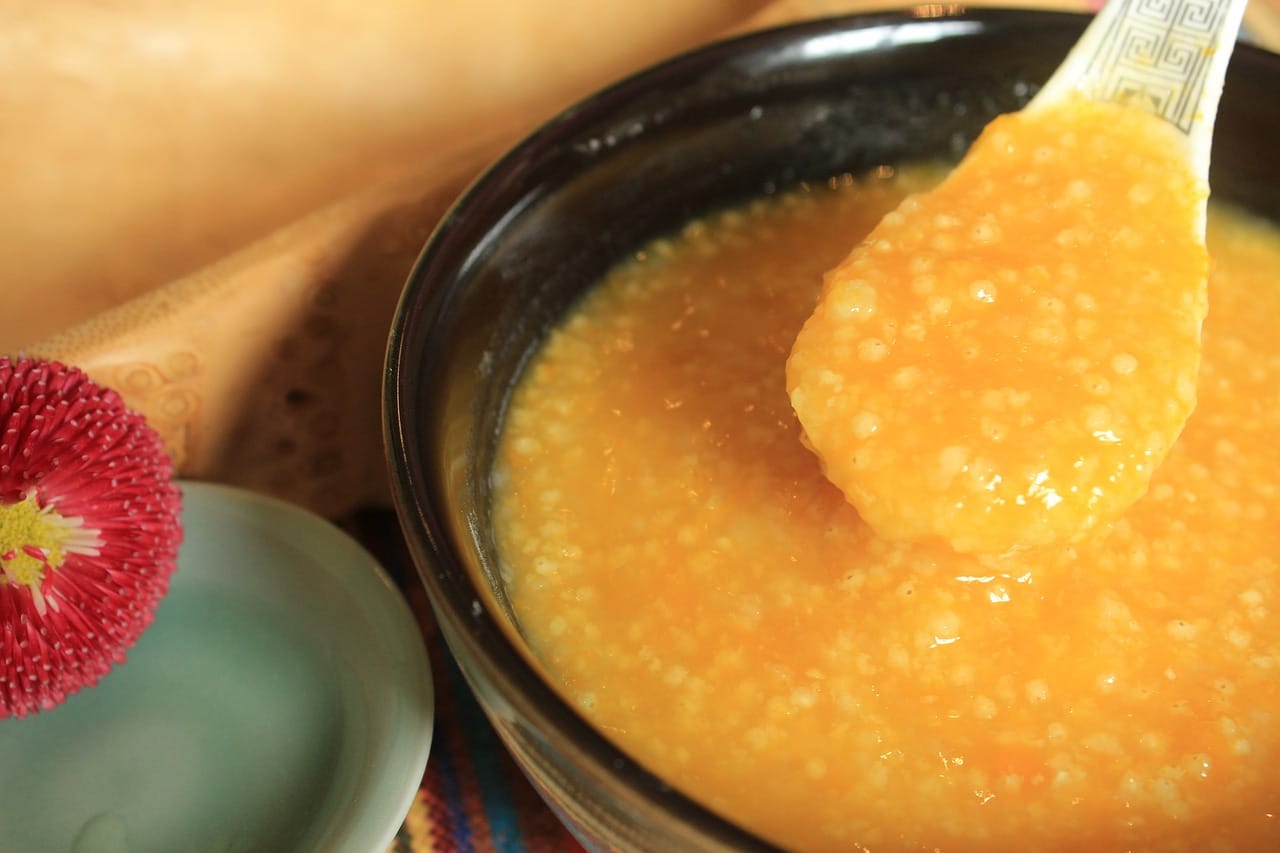
Sweet pumpkin juk or sweet red bean juk
Traditional dessert-leaning options. Mild sweetness, cozy energy, and often a favorite with people who want something soft but not savory.
Small ordering moves that make a big difference
Bonjuk is surprisingly customizable in ways that matter when you’re not feeling great.
Smoother texture: If you want it ultra-easy to eat, ask for a very smooth consistency so the rice is more finely blended.
Lighter seasoning: If everything in Korea has been tasting extra salty, ask for it less seasoned. It’ll taste cleaner and more calming.
Takeaway strategy: Portions can be generous. If you’re not hungry-hungry, split it with a friend or pack the rest and turn it into tomorrow’s “I need a quiet breakfast” solution.
The side dishes that show up with your bowl
This is one of my favorite details: you order something soft and neutral, and they quietly hand you the flavor controls on the side.
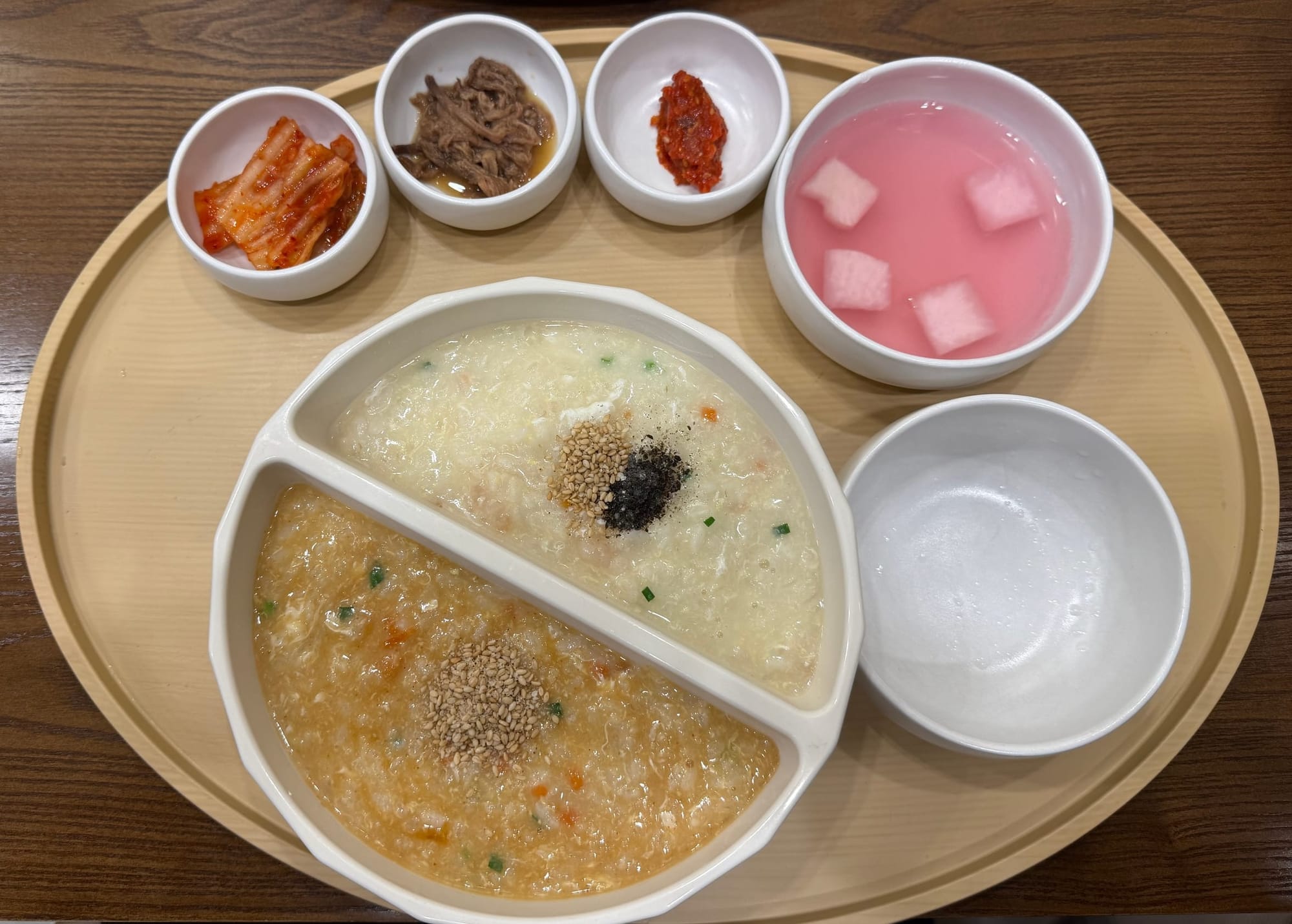
You’ll often see a soy-braised beef side that adds salty depth, a sweet-tangy shredded fish side that gives a little texture, and dongchimi (a clear, cold radish water kimchi) that tastes like a palate reset. The contrast is the point: warm, soft bowl; crisp, bright sides; suddenly your mouth feels awake again.
Syn-K Takeaway
Juk isn’t just “what you eat when you’re sick.” In Korea, it’s what you eat when you want to keep going without forcing it. If your trip is starting to feel like you’re dragging your body from one famous meal to the next, try swapping one of those meals for a quiet bowl of juk. It’s not dramatic. It’s just smart. And honestly, it might be the one meal that makes the rest of your Seoul plans feel easy again.
Related Post
 Hayne S.