The West Coast has its own charm. When the tide pulls back, the mudflats show up. At sunset, the sky spreads wide. The sea feels like a backdrop.
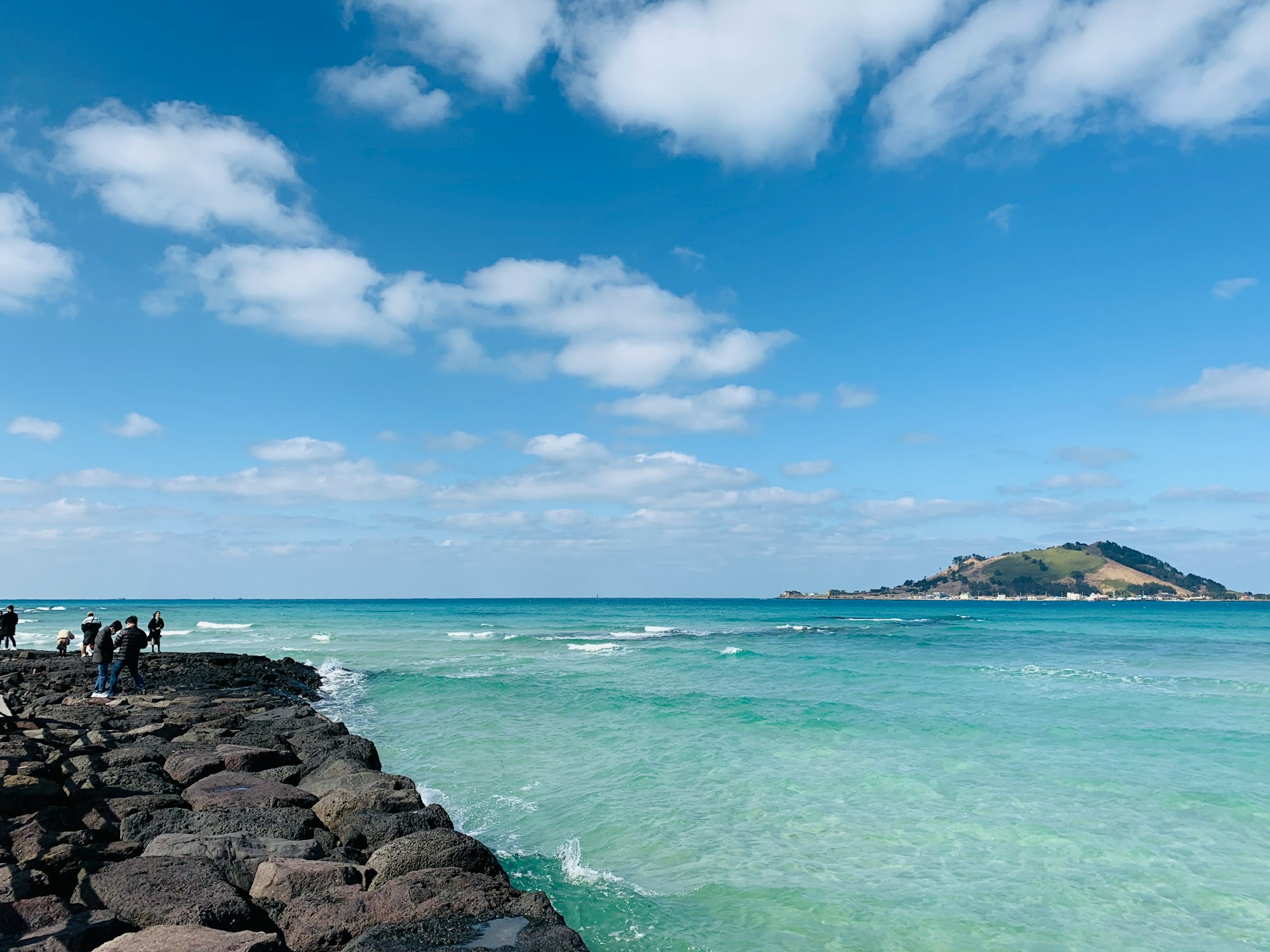
But you know those days when you want something that feels properly ocean. Clearer water. A sharper horizon. Waves you can actually hear. On those days, it’s the East Sea.
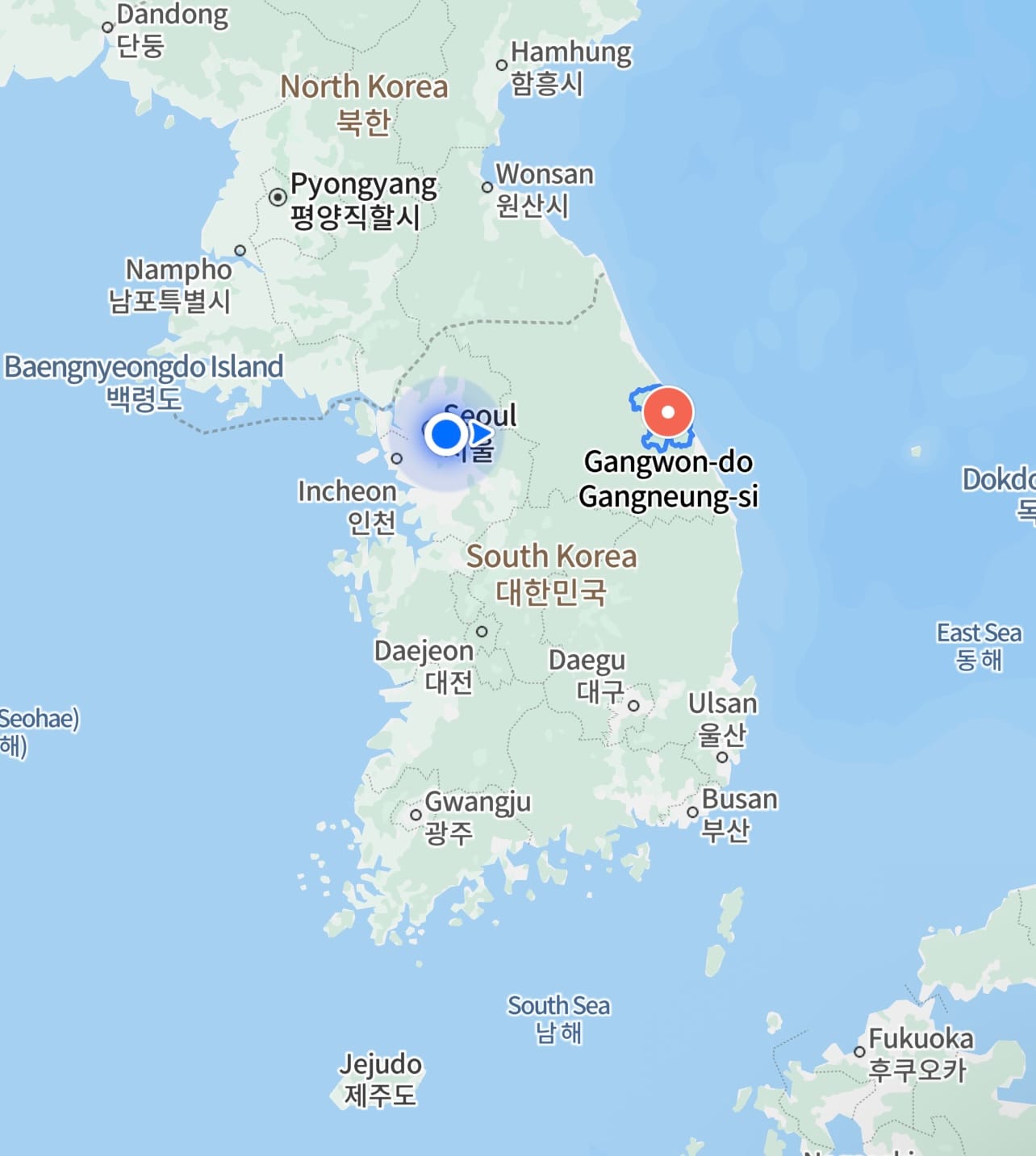
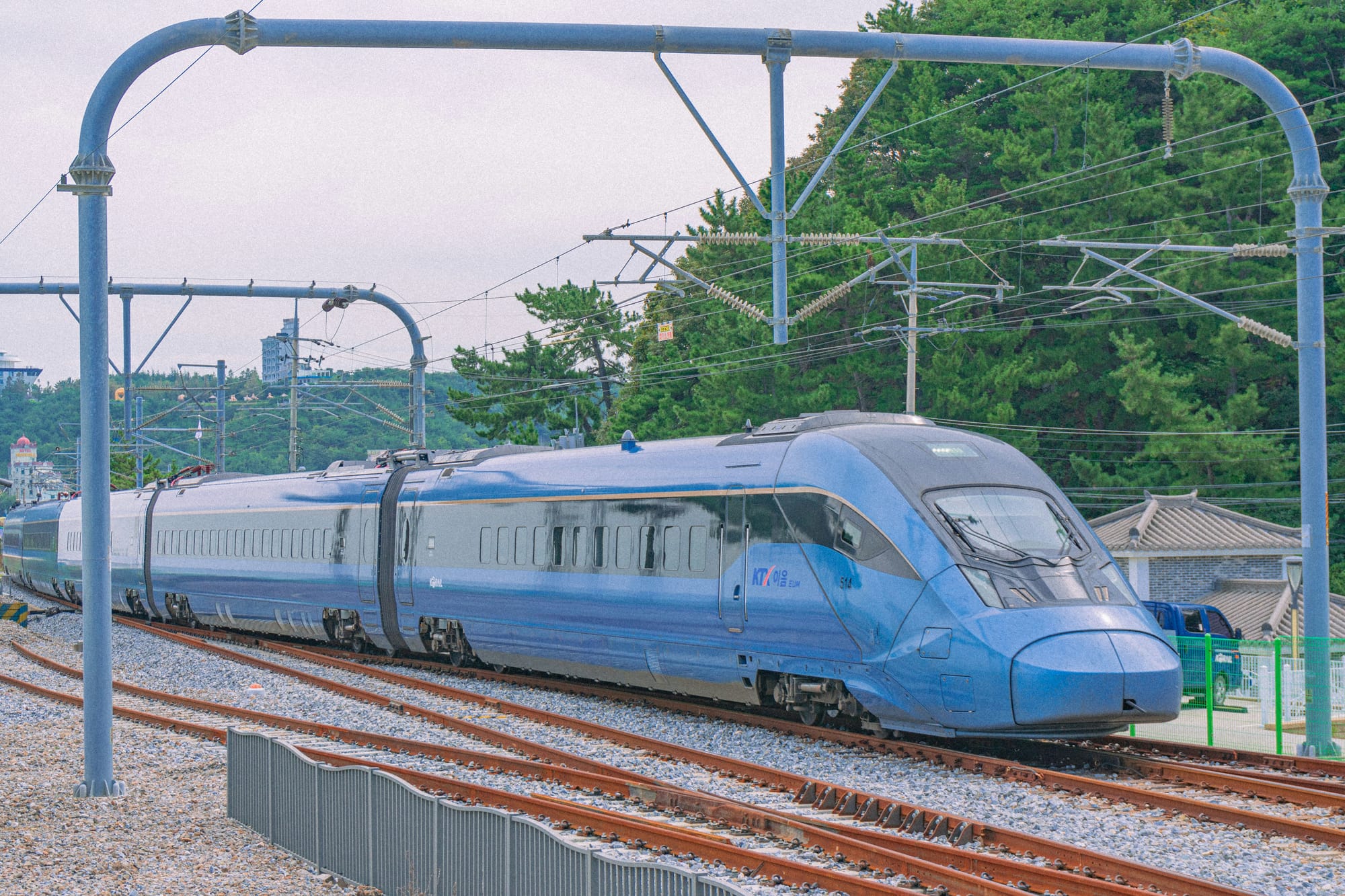
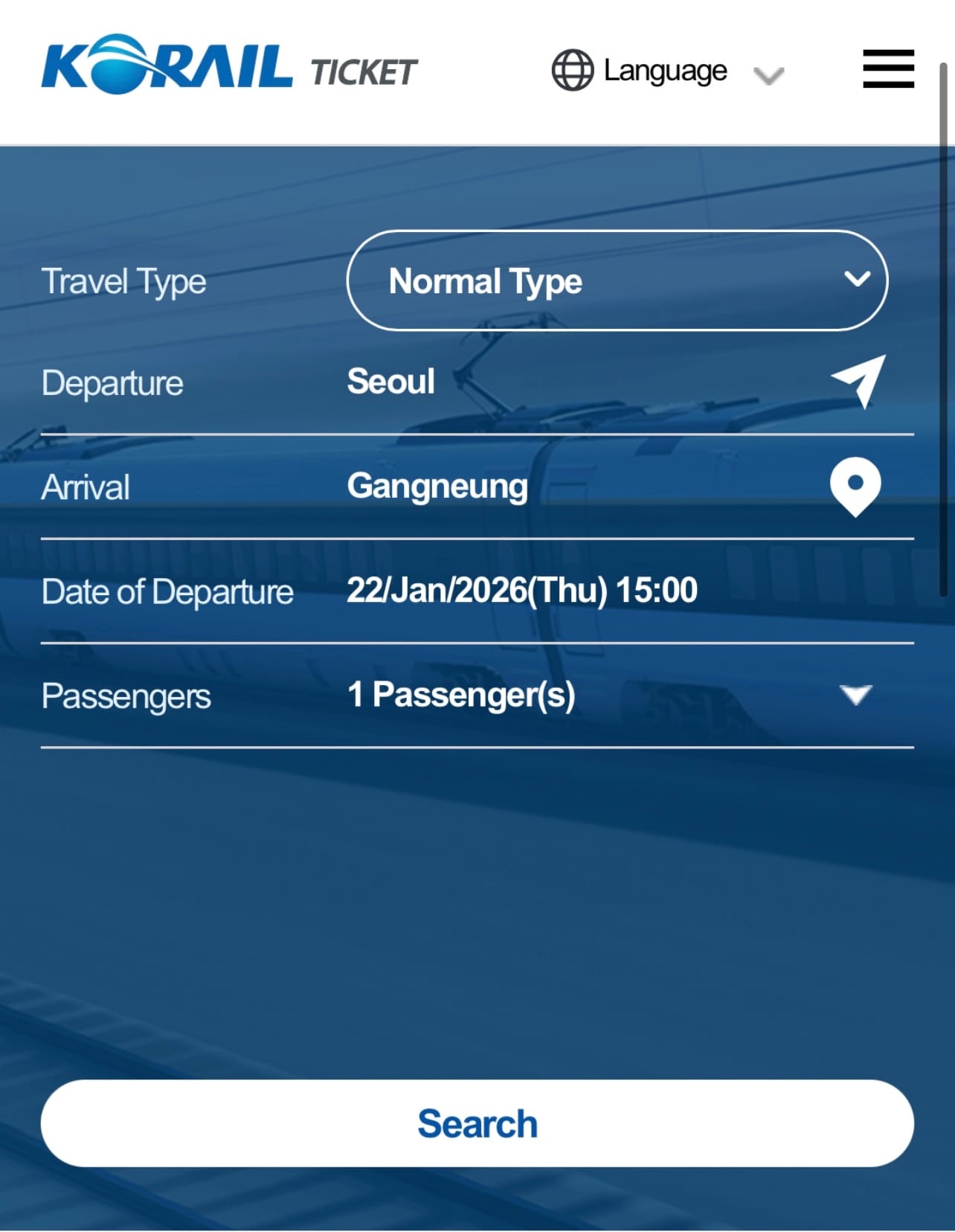
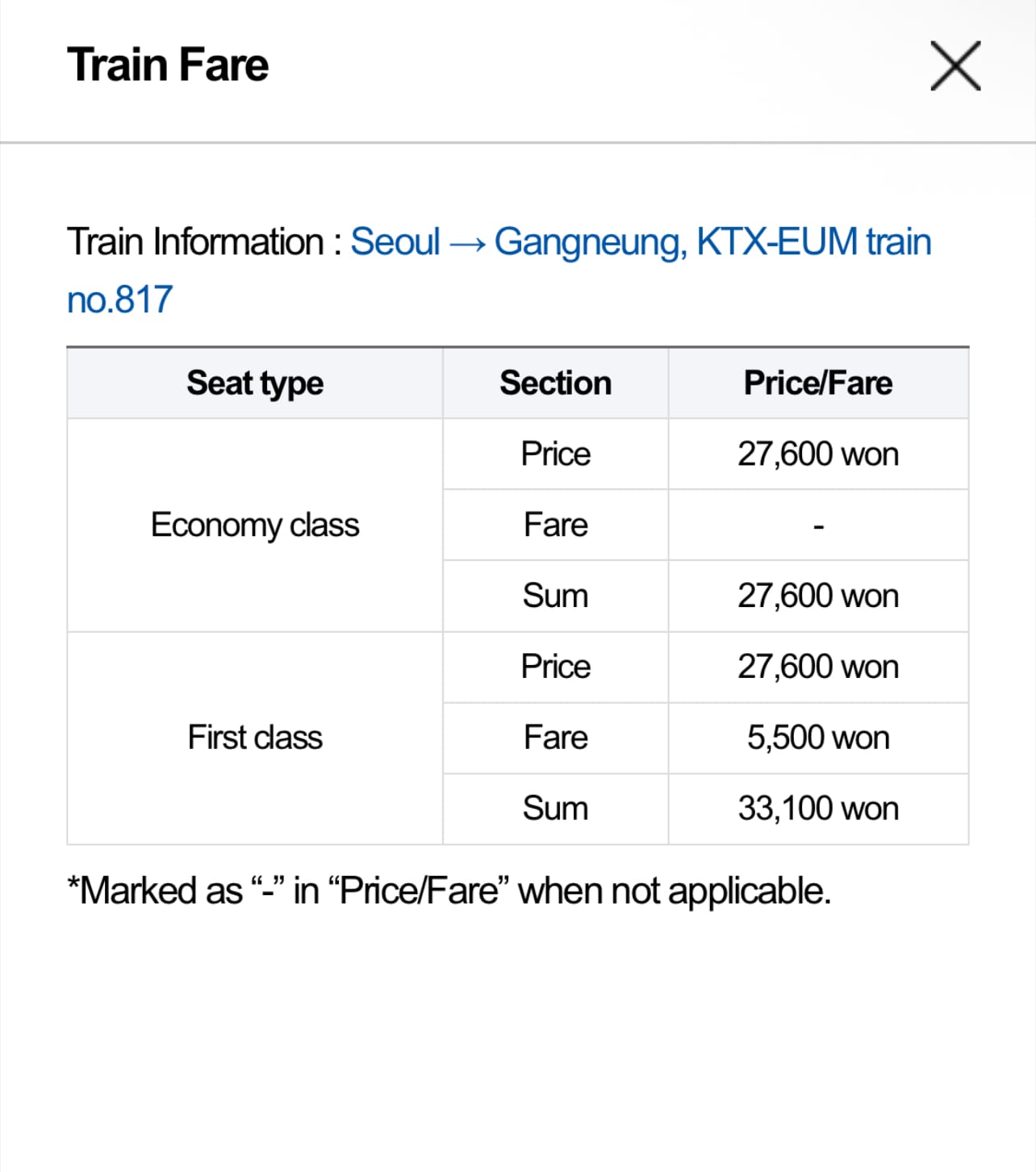
And this is where Gangneung wins. It’s the kind of East Sea you can do without making a big deal of it. From Seoul Station, the KTX is usually around two hours. Ticket prices change with timing, but it’s still realistic enough that you can go just because you suddenly want the sea. That’s a big reason Koreans keep coming back.
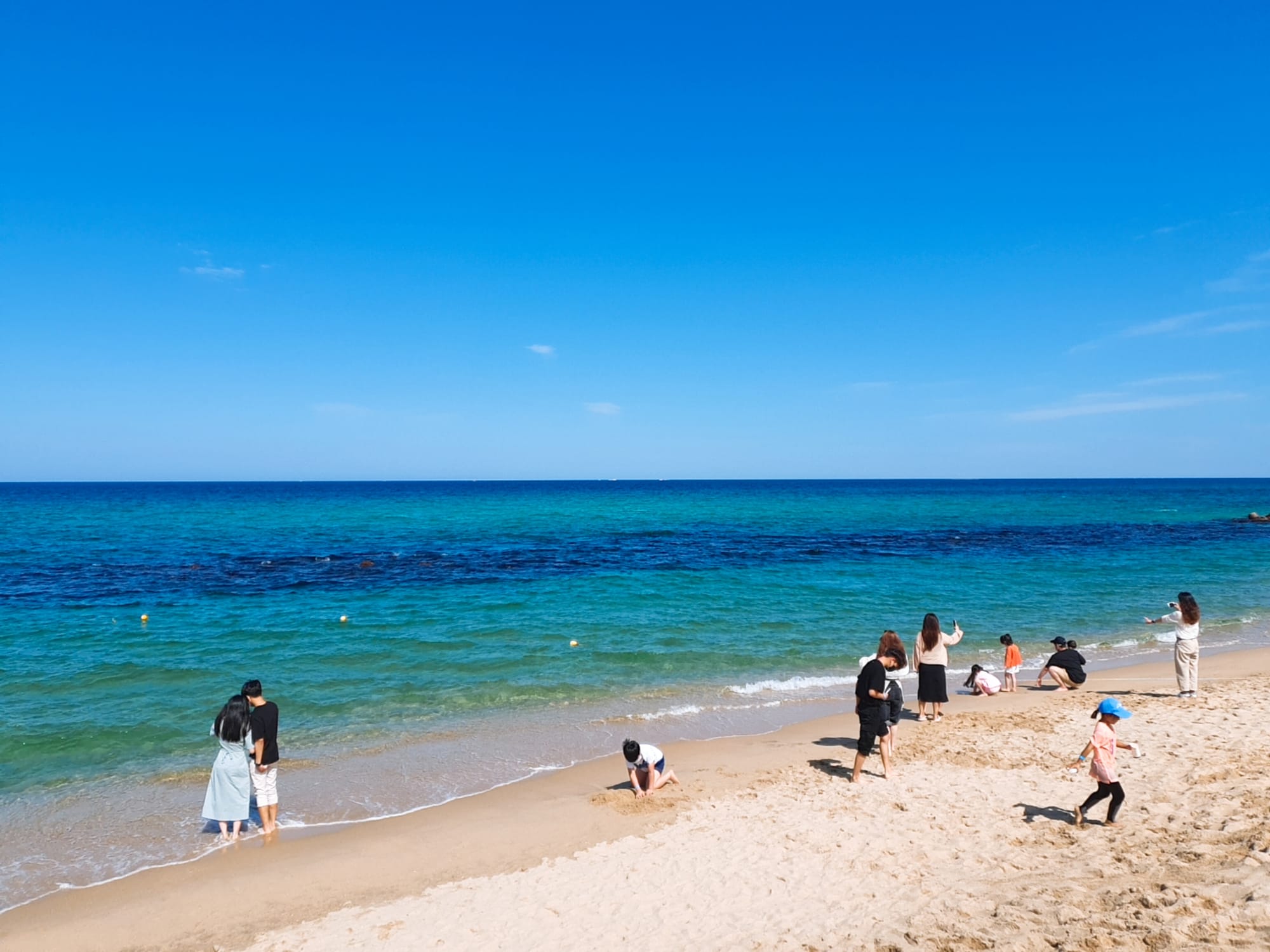
And no, East Coast cities don’t all feel the same. Gangneung has its own color. It’s not a place where you look at the beach and leave. It’s a place where it’s easy to spend time next to the water. You can walk the shore and slip into a cafe right away. Walk a little inland and you’re in market alleys that feel lived in, not staged. Then it’s easy to head back to the sea again.
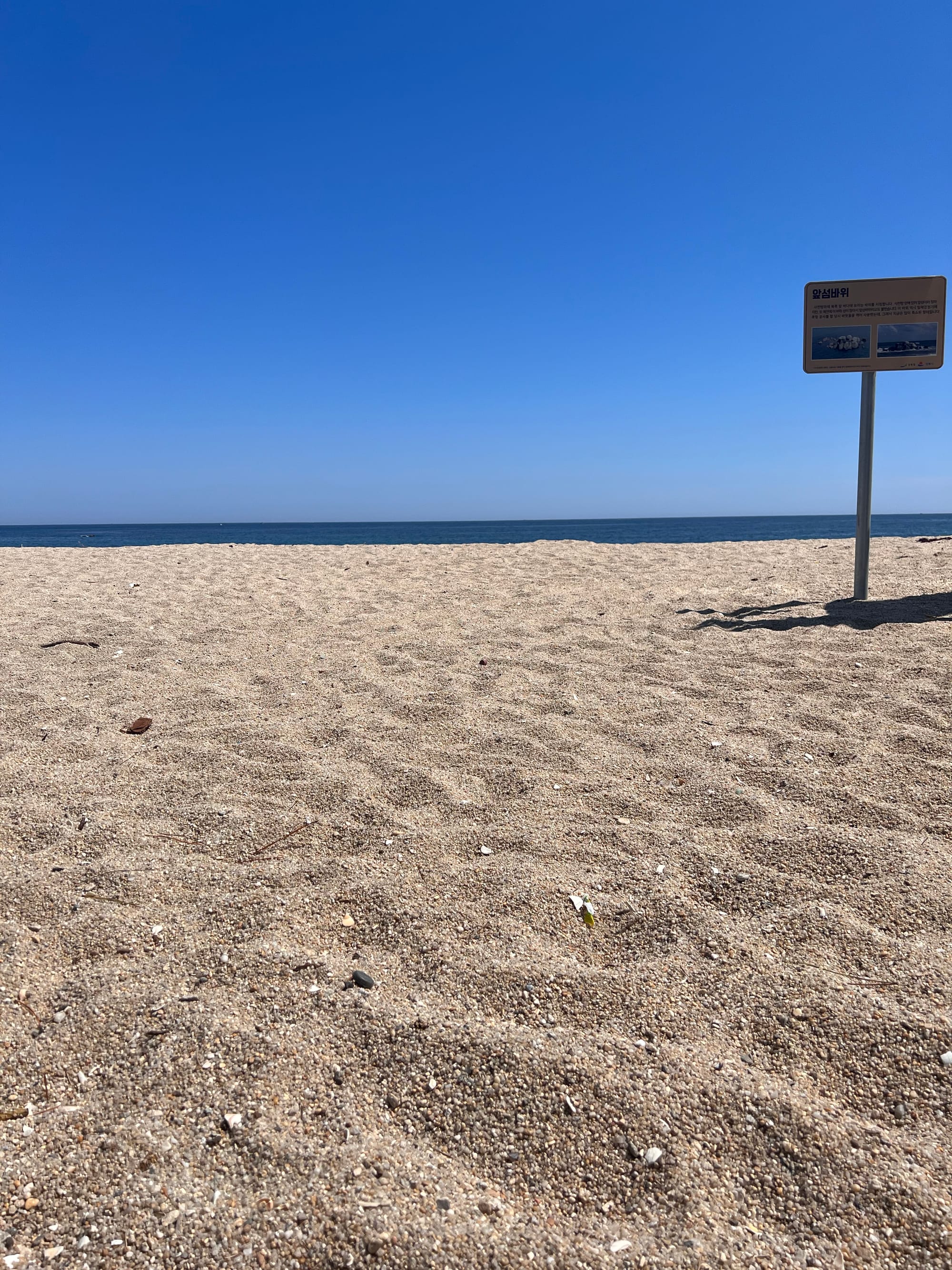
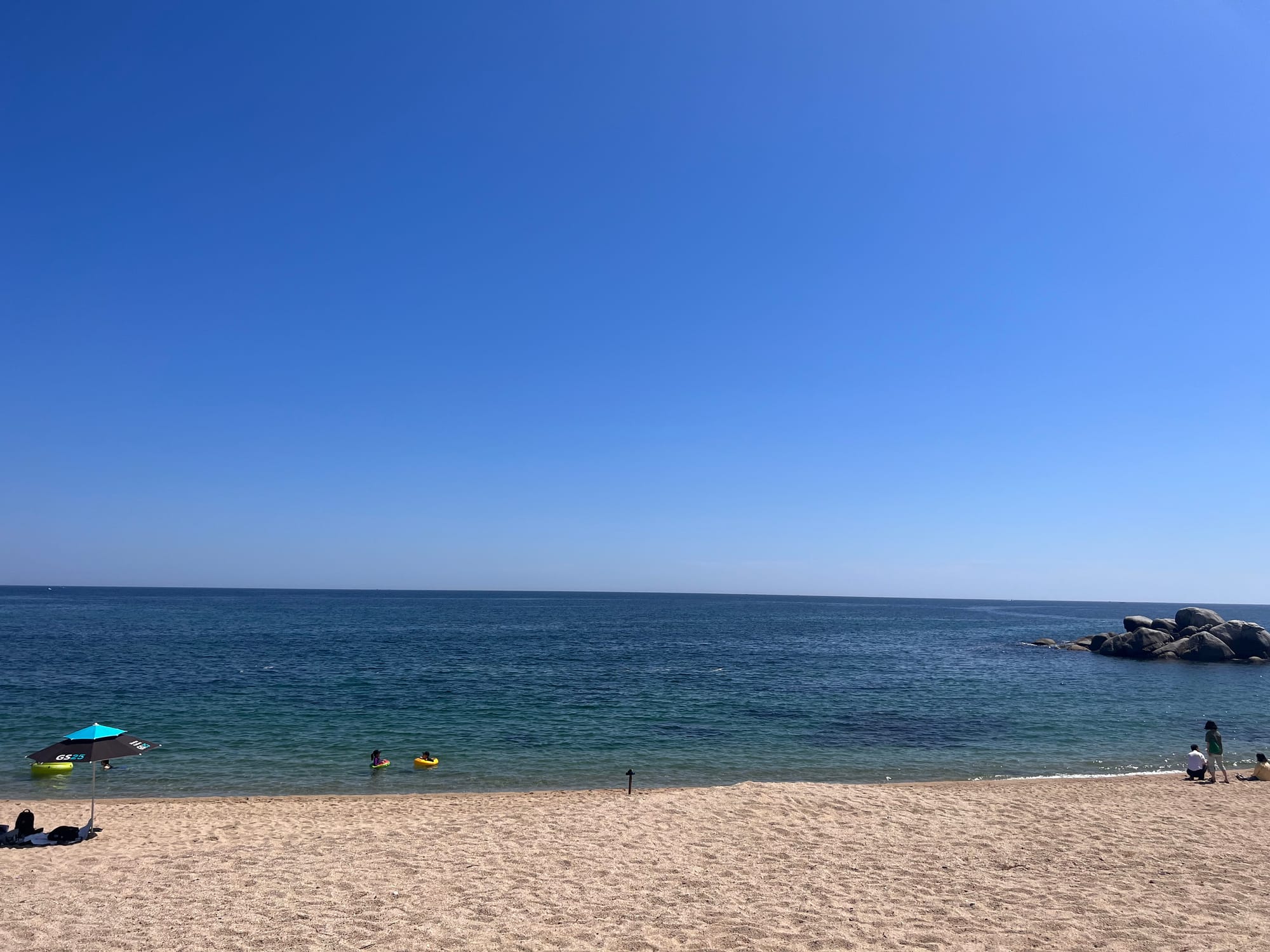
So Gangneung doesn’t feel like you “did the ocean.” It feels like you actually spent a day near it.
Start inland, then let the ocean feel bigger.
You can go straight to the beach the moment you arrive, sure. But if you want to start Gangneung like you know what you’re doing, step inland once first. Walk slowly around the Wolhwa Street area, then drift toward Jungang Market. It’s the kind of route where the city quietly takes your hand.

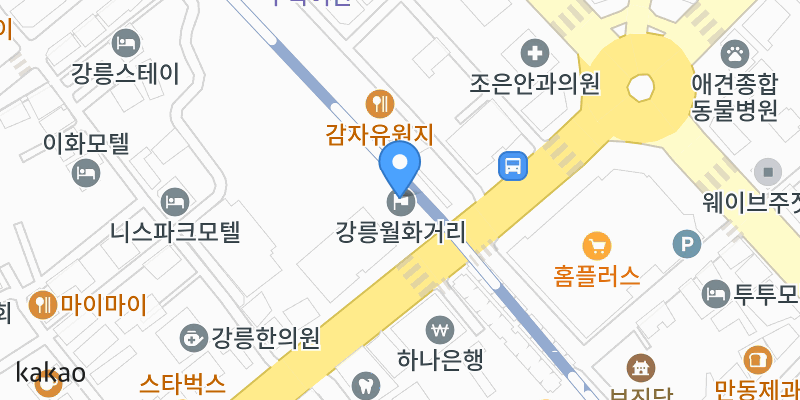
This isn’t a place that screams “you must go here.” The scenery changes while you’re walking. Store signs, local pace, side street noise. Do that first, then head to the sea. The same coastline lands differently.
You don’t need to make food the main event, but these are the names you’ll keep seeing in Gangneung anyway.
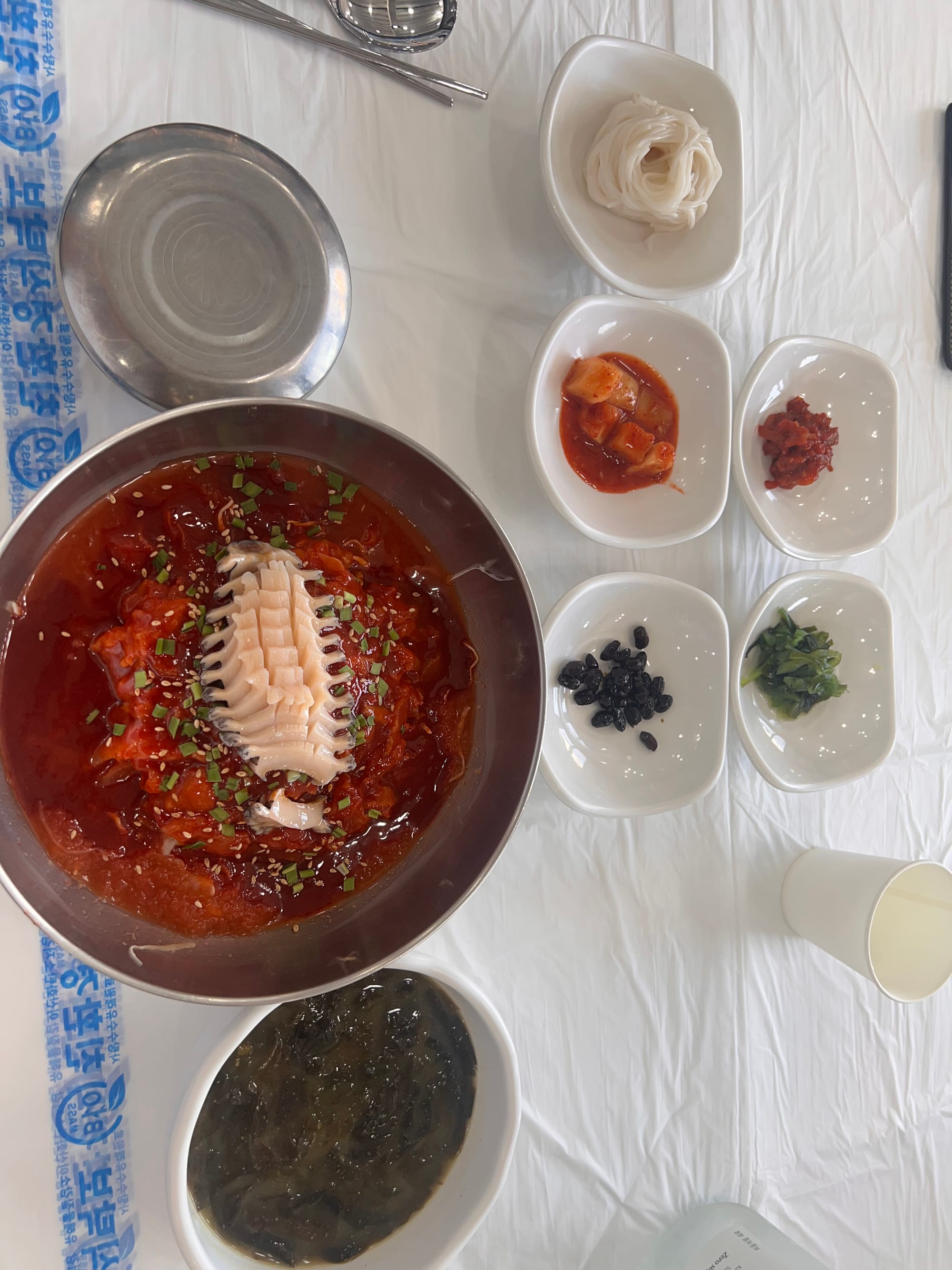
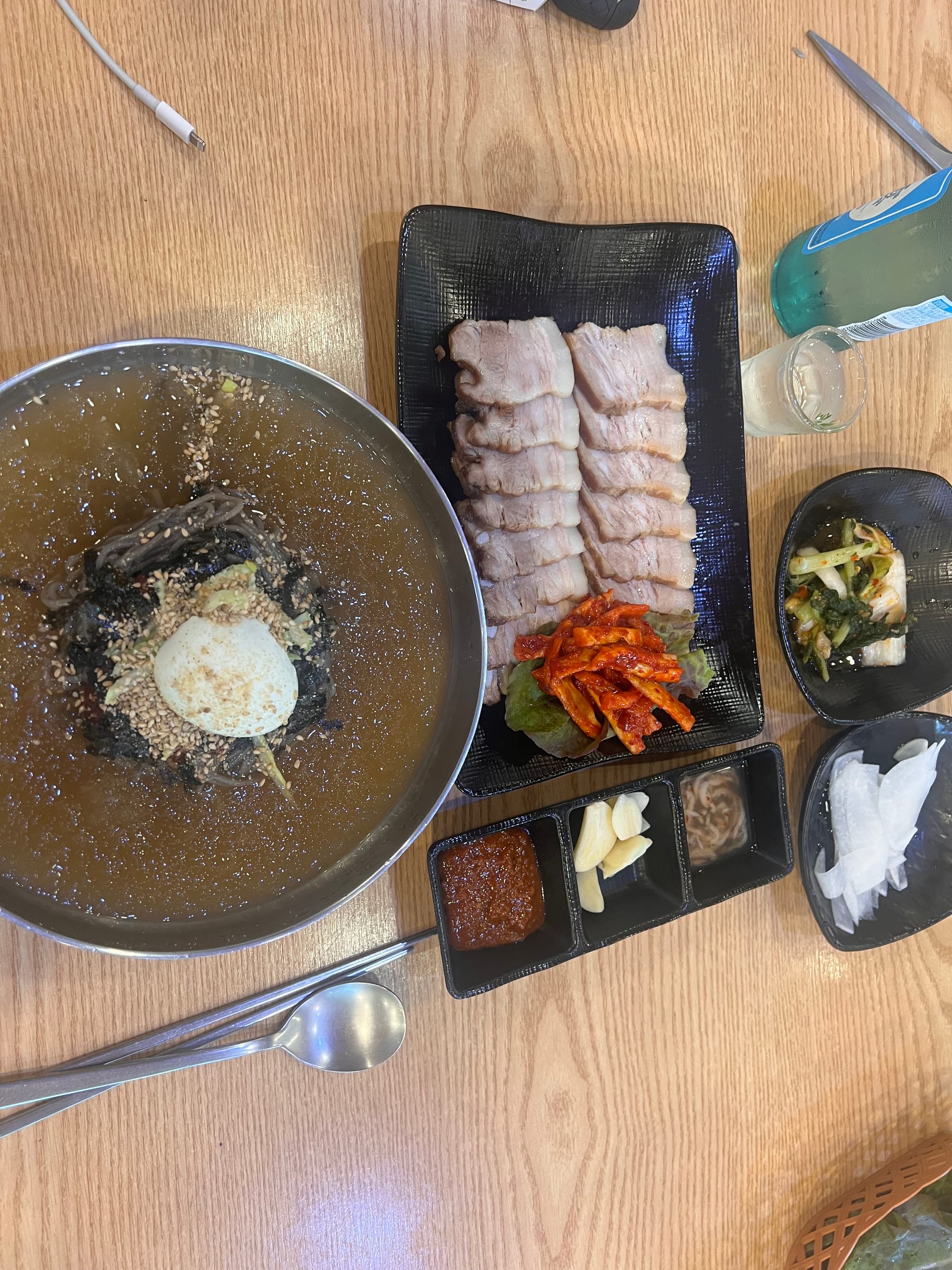
Chodang tofu
Makguksu
Mulhoe
Even if you’re not chasing meals, these words keep popping up.
Anmok isn’t a cafe spot, it’s a pacing tool.
Everyone knows Anmok as the cafe street. But the real point is the order.
If you sit down first, you’re just someone who had coffee. If you walk the beach first, you’re someone who actually did Gangneung.

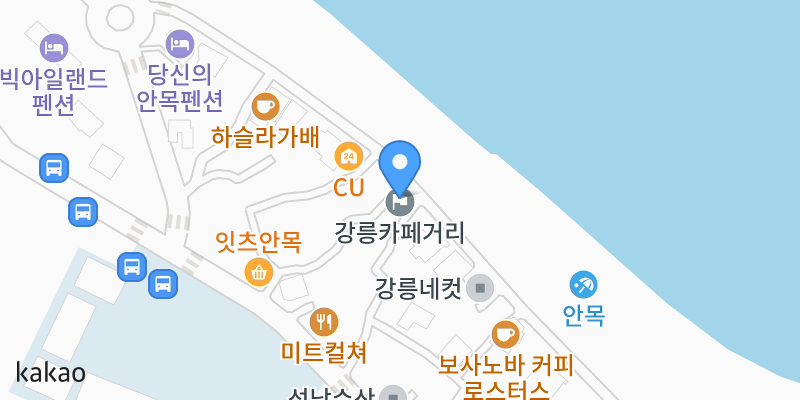
Walk the shore. Let the wind hit once. Then take a window seat. At that point, the coffee stops being the main thing. It becomes your excuse to stay without feeling rushed.
You don’t need to hunt a single best cafe here. Anmok isn’t about rankings. It’s about which seat feels right today.
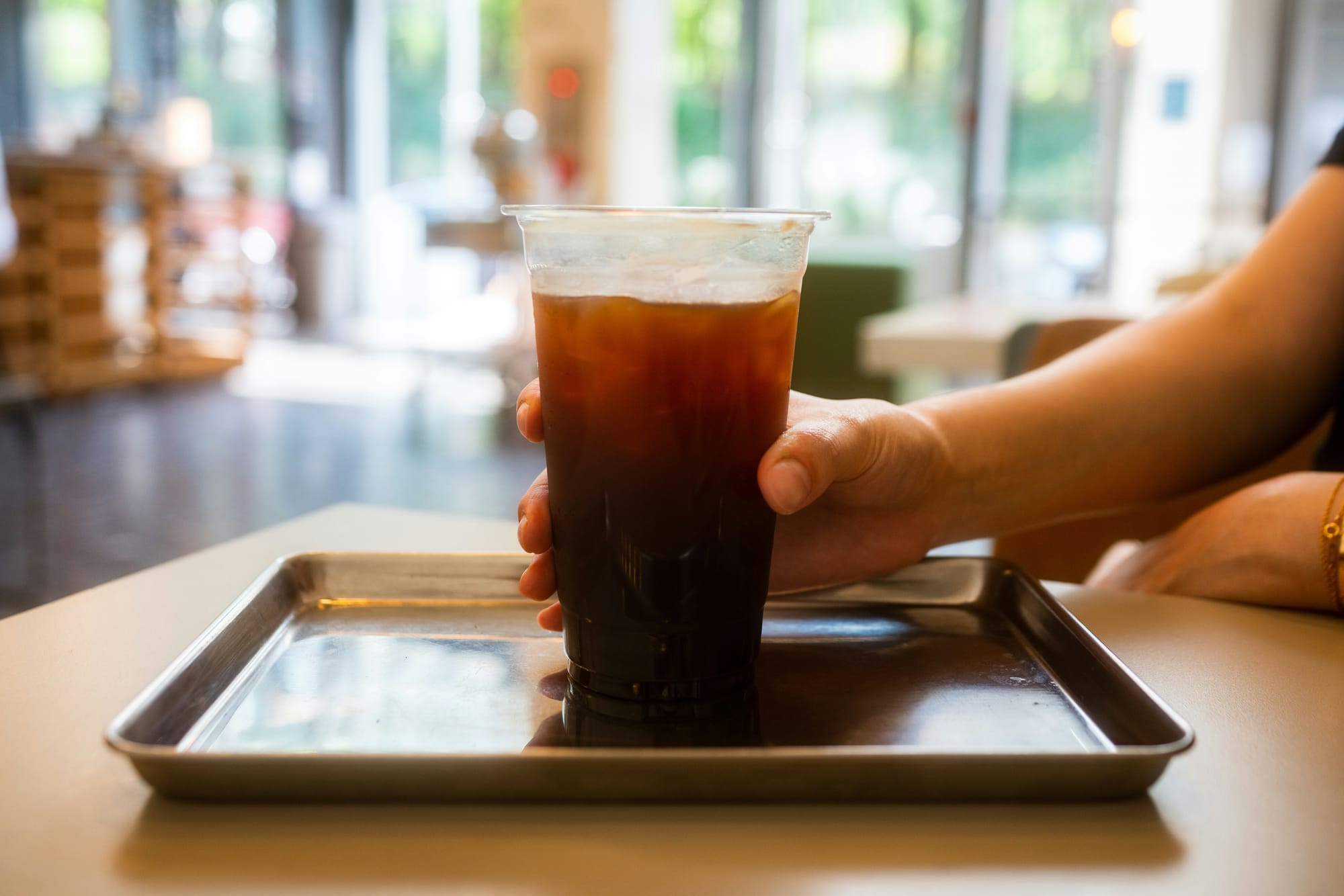
And for your second coffee later, it’s nice to switch the mood. If you pivot to a roastery style place or a bigger space, the whole city suddenly feels different.
Gyeongpo has two faces.
In the daytime, Gyeongpo is the famous beach. Early, it turns into a neighborhood.
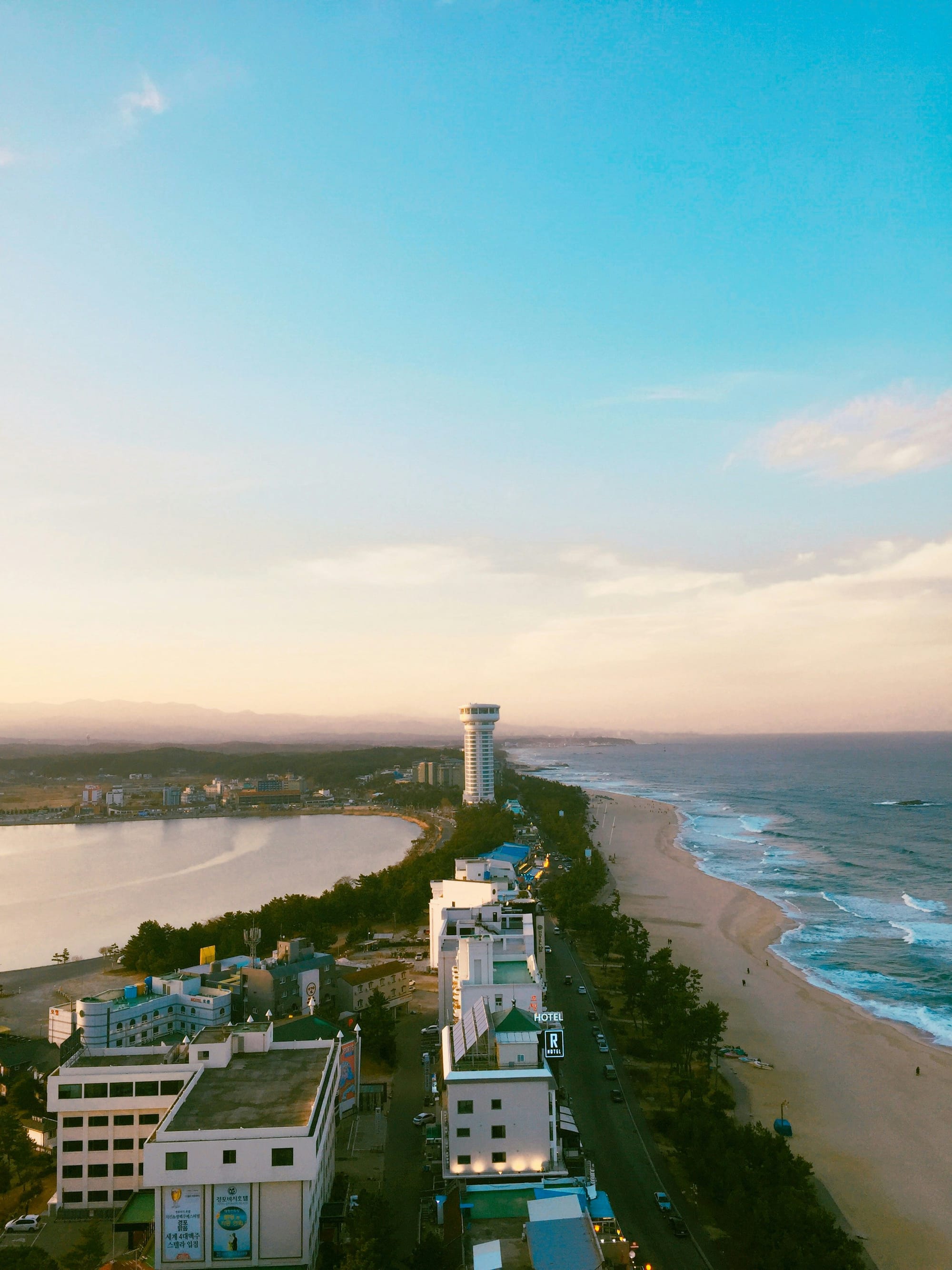
Morning Gyeongpo is full of people with different intentions. Fewer “I came to see this place” visitors, more people simply walking. That difference changes the atmosphere.
The most satisfying move here is the short transition from sea to lake. You don’t need to “complete” Gyeongpo Lake. Just see the sea, slide over toward the lake, and feel the air change. That’s enough.
Then shifting toward Chodang keeps the flow clean.

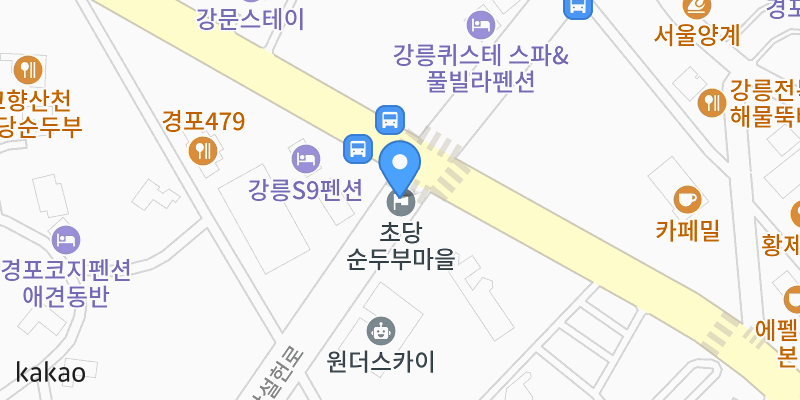
At night, Gyeongpo isn’t about “what should we do.” It’s just “let’s walk.”
The night sea doesn’t need explanation. Once it’s dark, the beach gets quieter, and the sound gets sharper. Sand under your shoes. Waves in the dark. That’s the highlight.
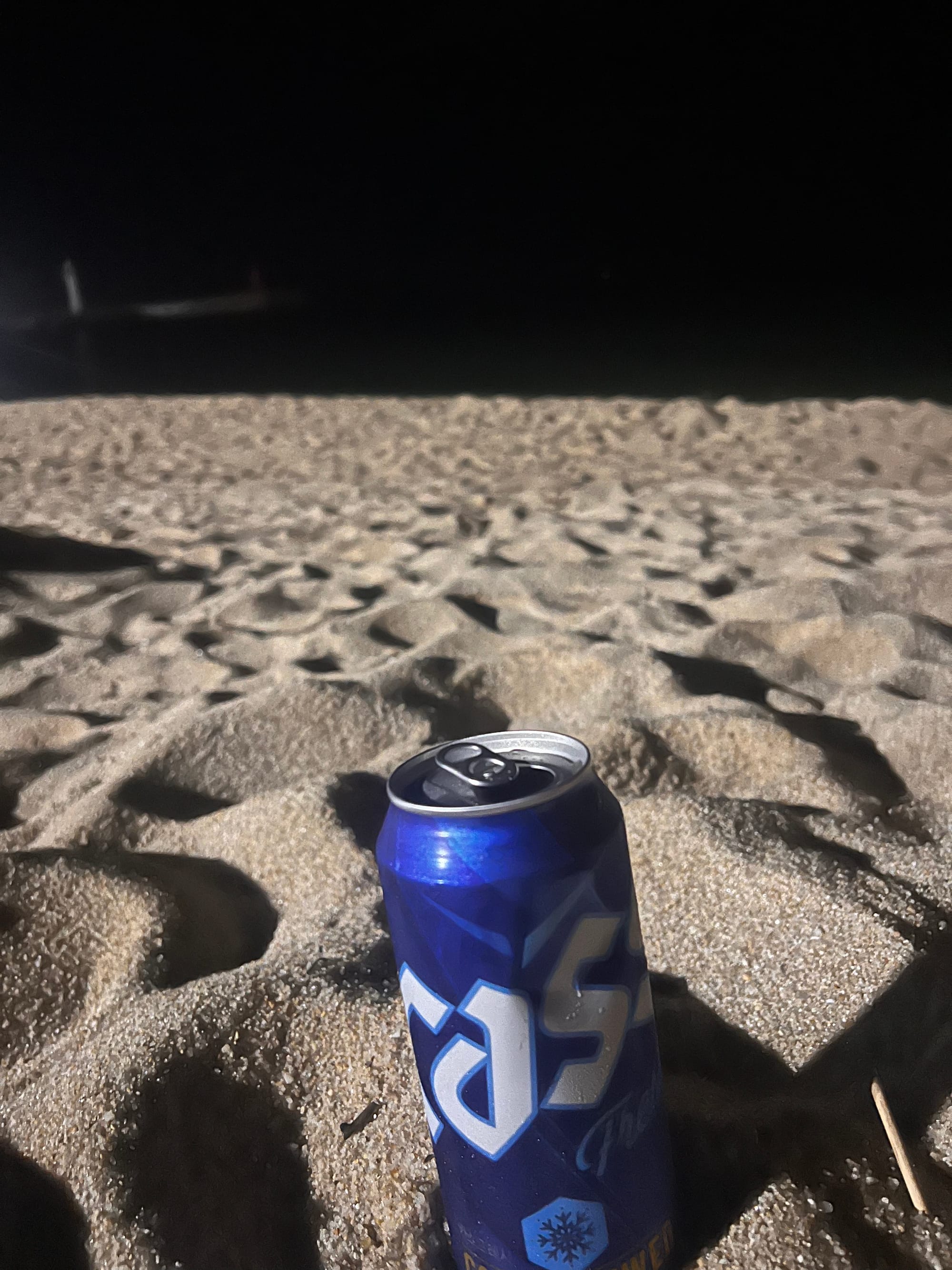
And when you suddenly want to sit, do it the normal way. Grab a can of beer or a drink from a convenience store and take it back to the beach. This is one of the most natural ways Koreans “use” the sea in Gangneung. No plan, but you still get that feeling of, yeah, tonight was good.
If you’re lucky, a small event or festival might land on your weekend. These change every year, so a quick check of the official schedule before you go is best.
Recommended Drift
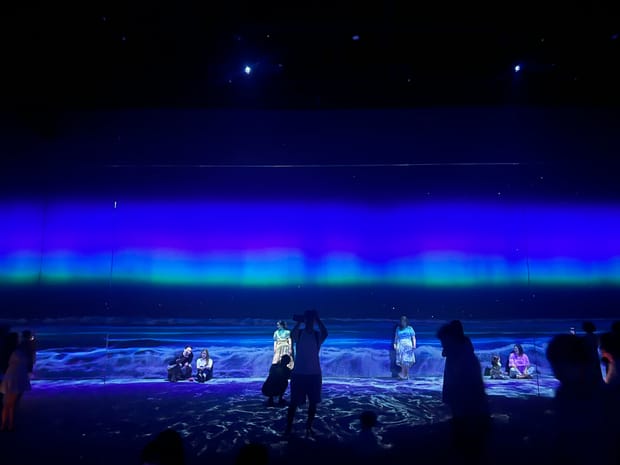
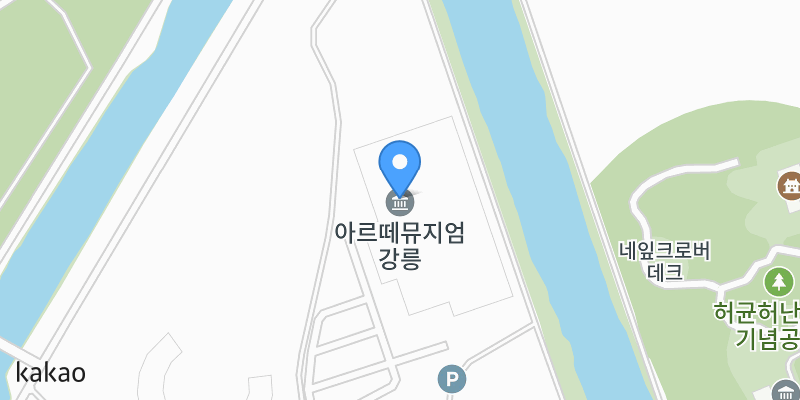
Arte Museum is the perfect mid-day mood switch when your Gangneung rhythm starts to blur.
Wind, sea, coffee, walk.
It’s all great, but after a few hours it can start to feel like the same postcard on repeat. This is when you slip indoors and let the day change gears.
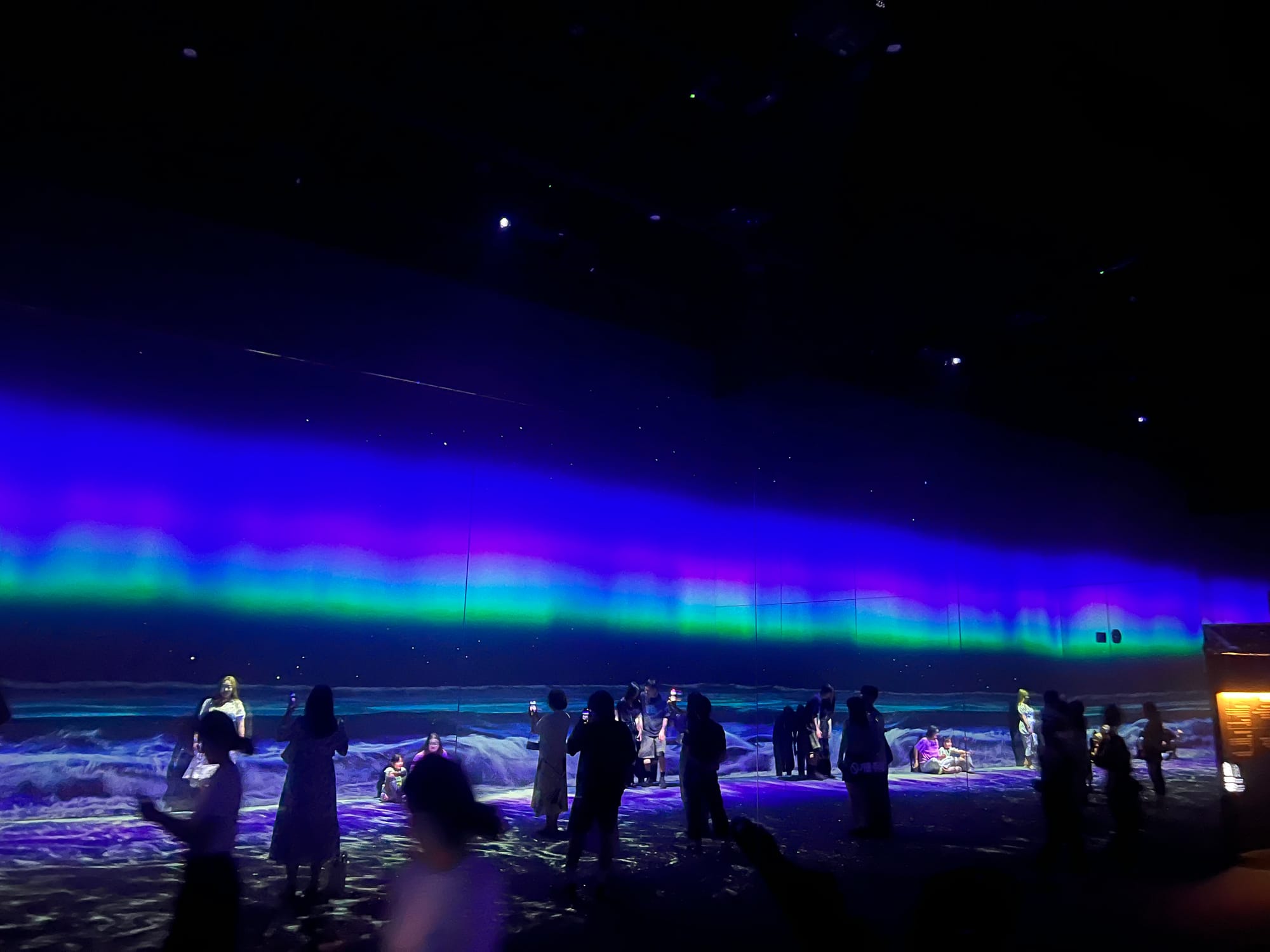
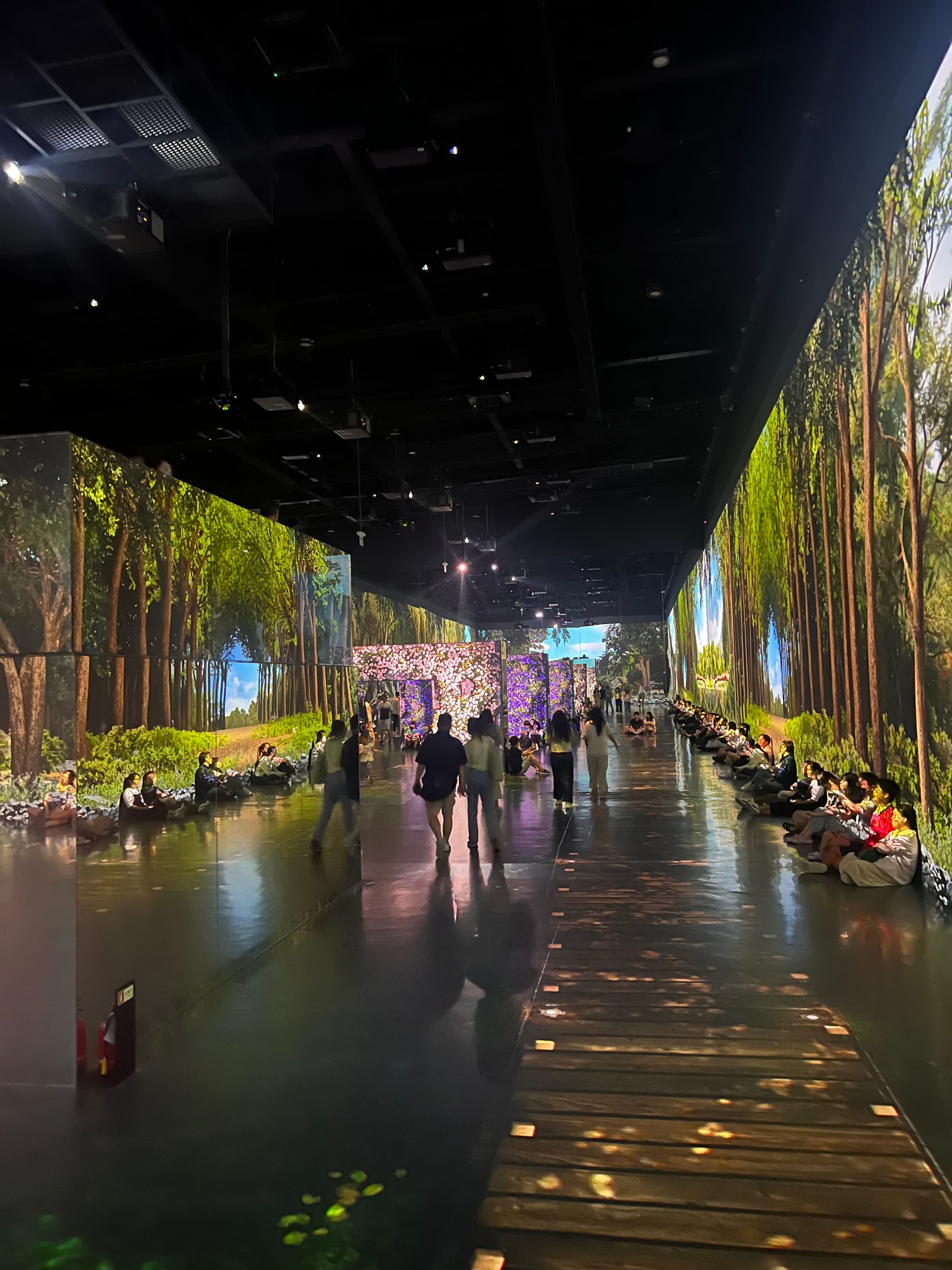
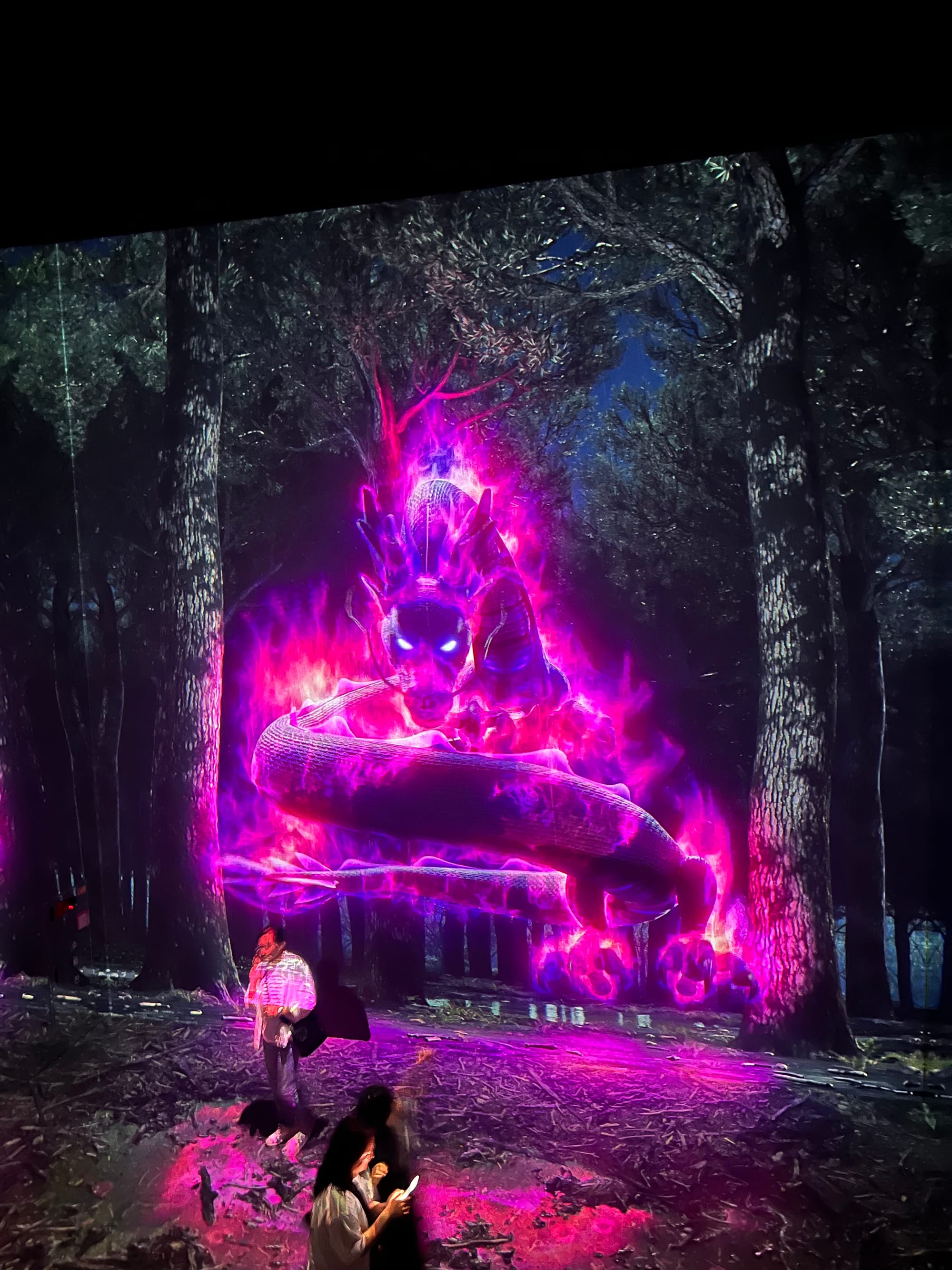
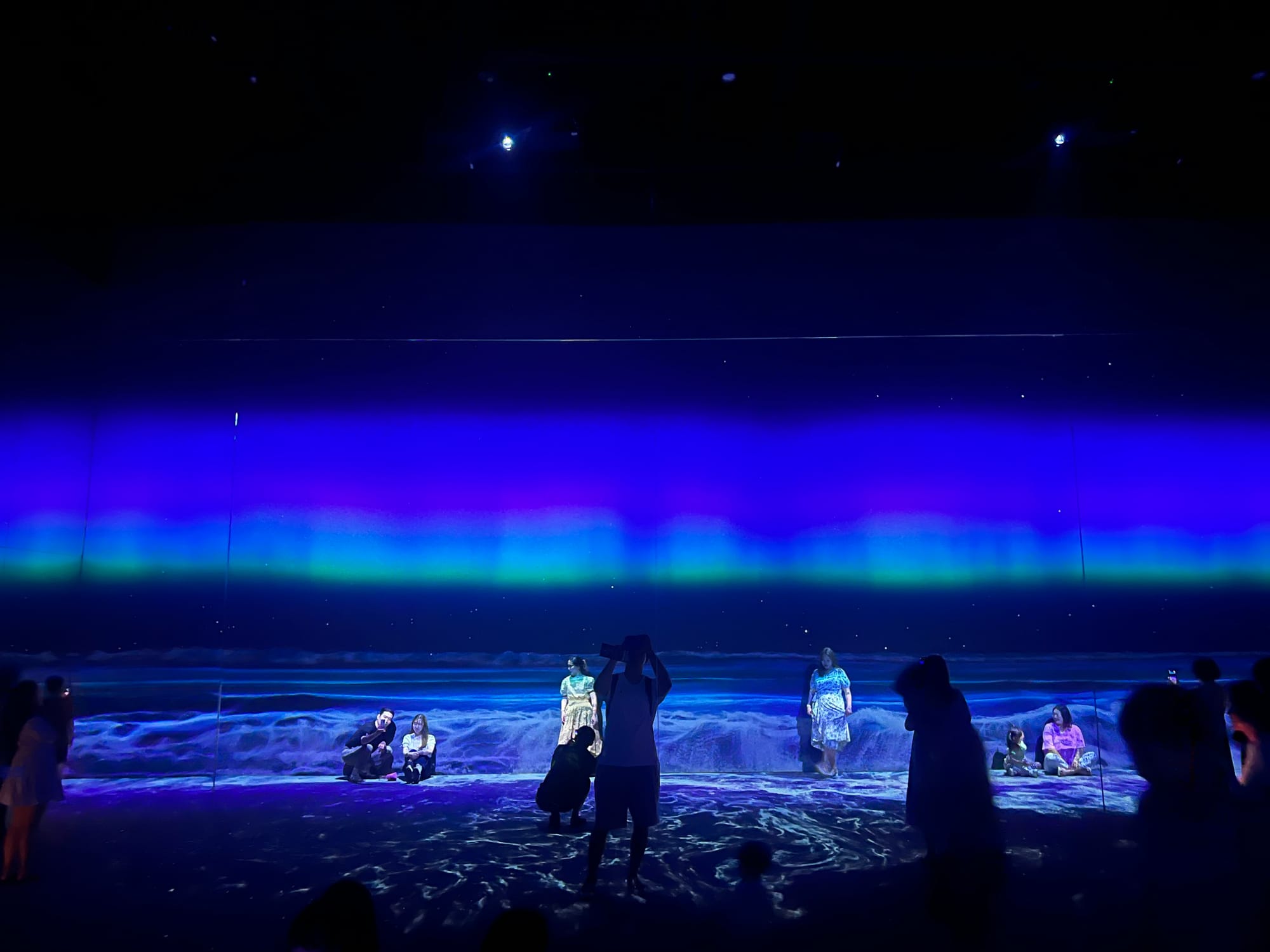
Arte Museum isn’t a “quick stop” kind of place. It’s a reset.
The air feels different the second you walk in. The light goes big and cinematic. Sound gently steers you from room to room. Before you realize it, you’ve stopped trying to “see everything” and you’re just moving through it, letting it land.

Best timing?
When you’ve had a little too much sun.
When your legs are happily tired.
When the sky turns flat and another beach photo suddenly feels like homework.
And here’s the move most people miss: don’t rush straight back to the shore after.
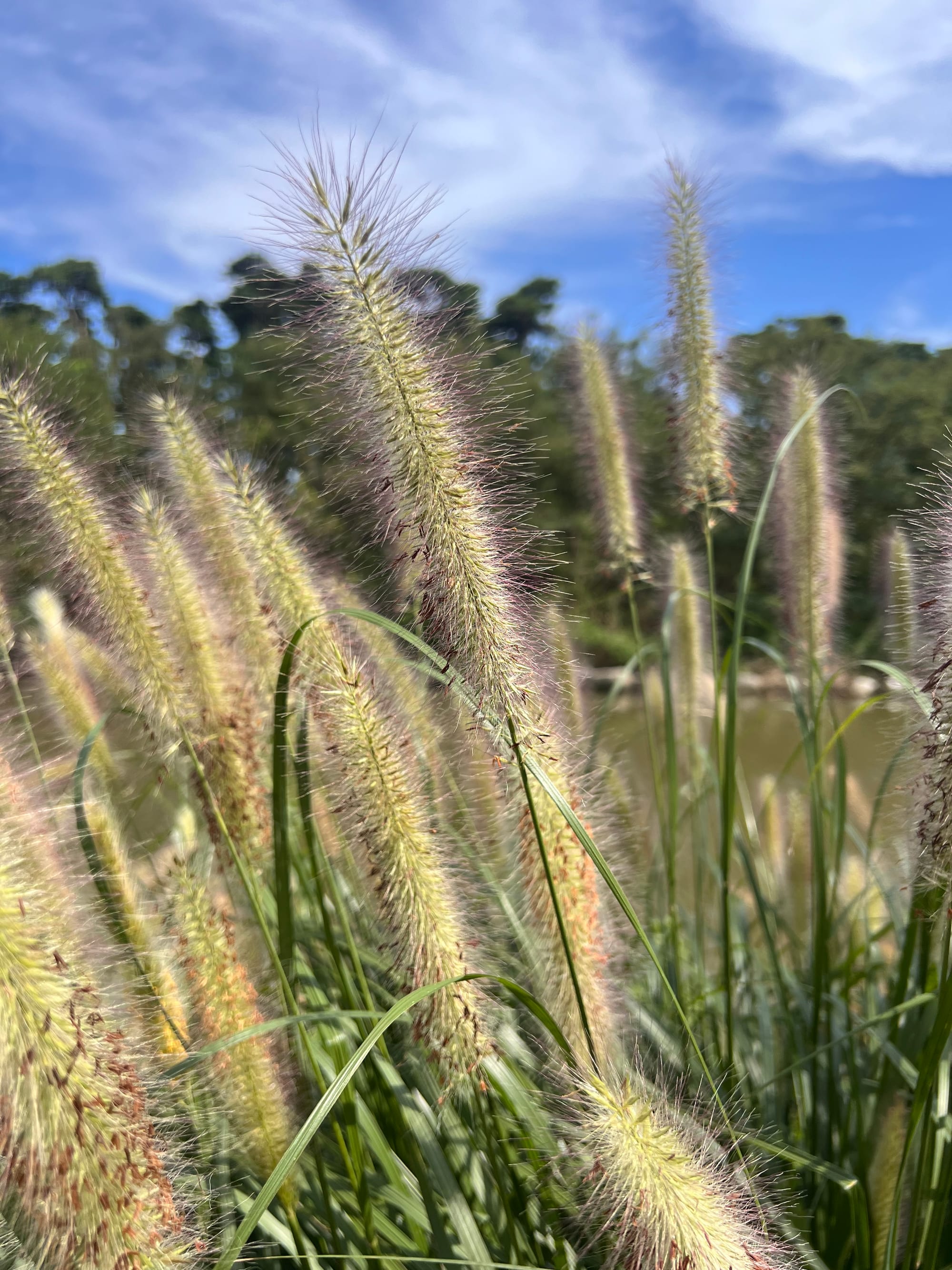
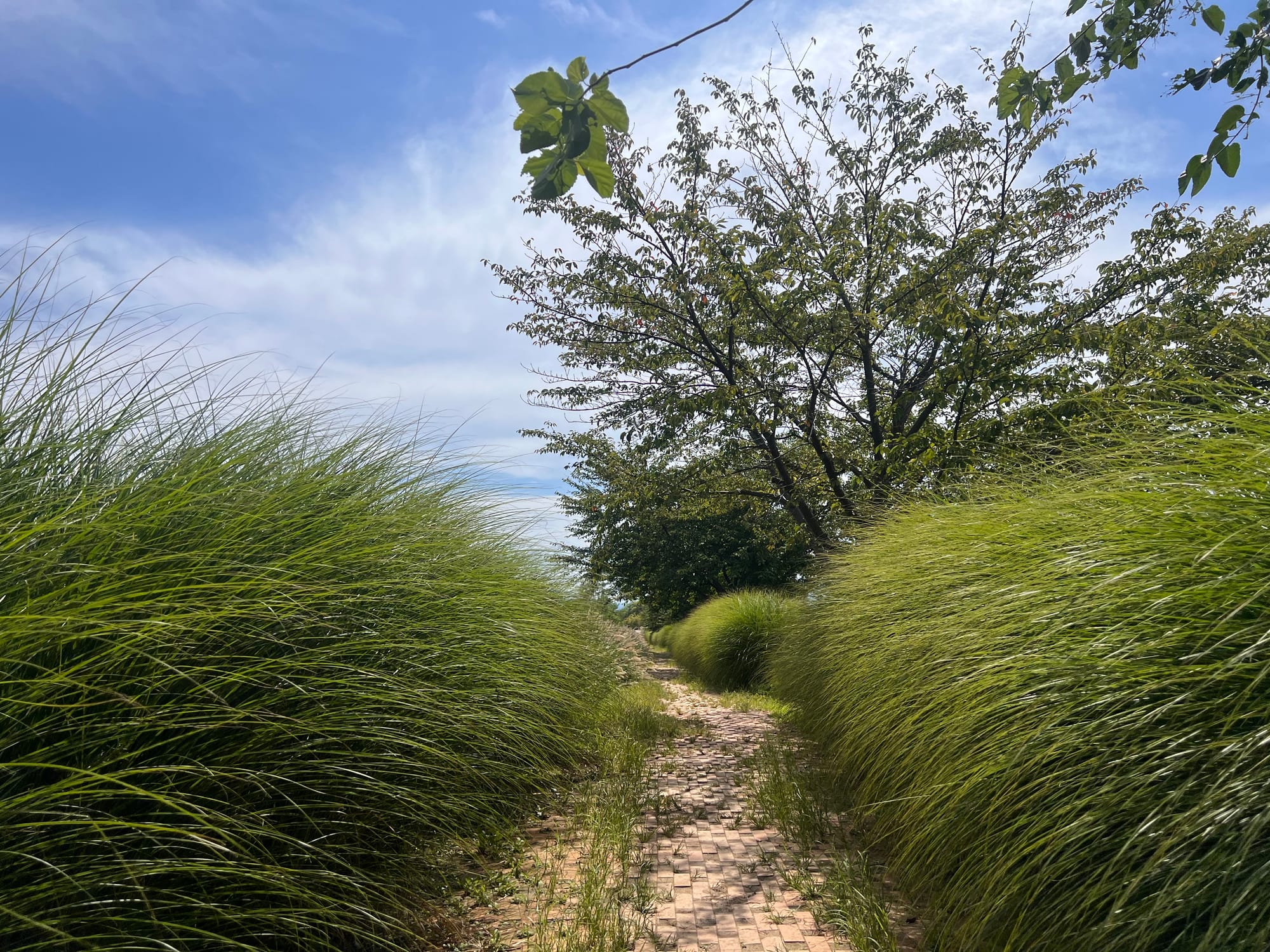
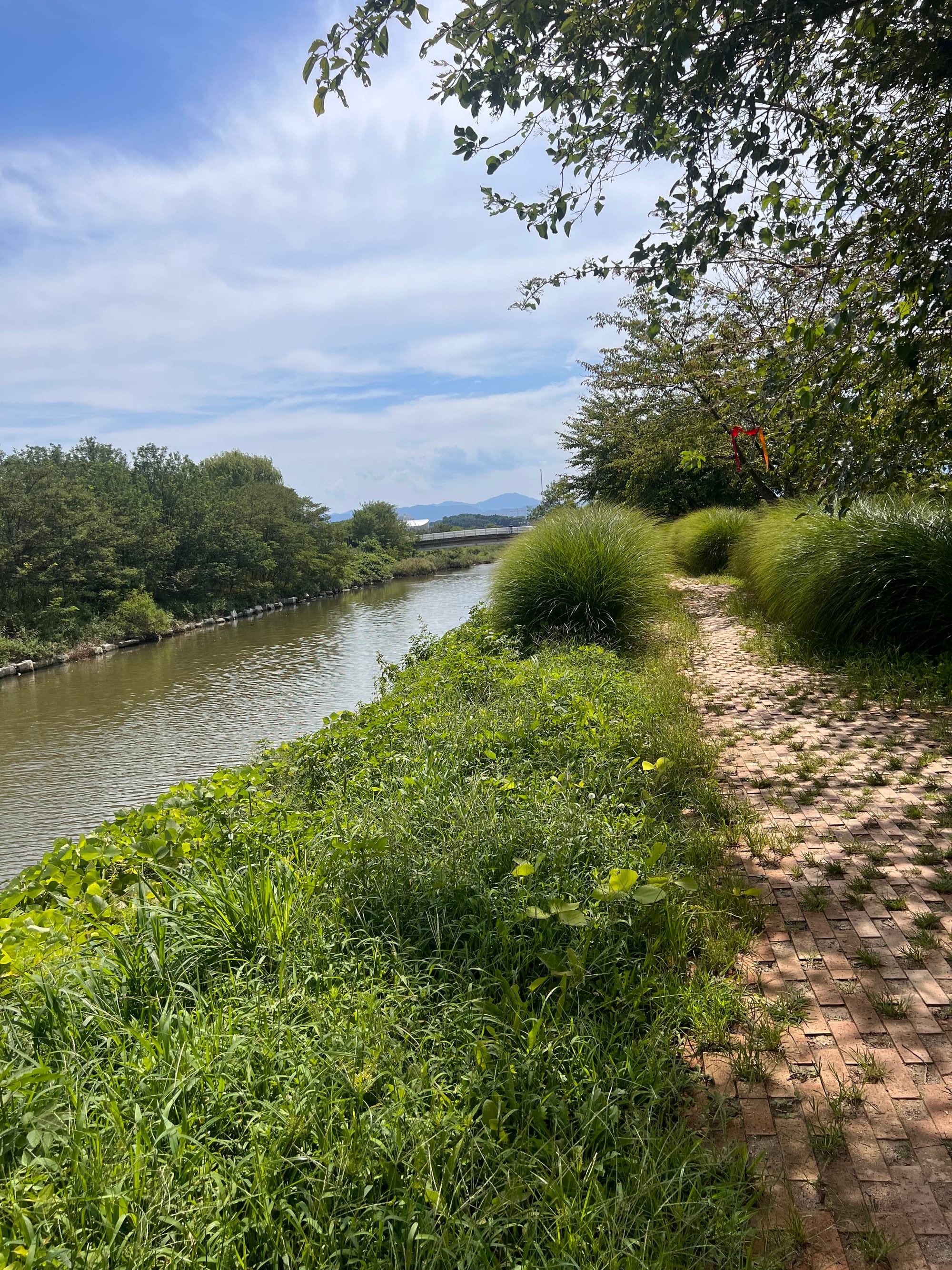
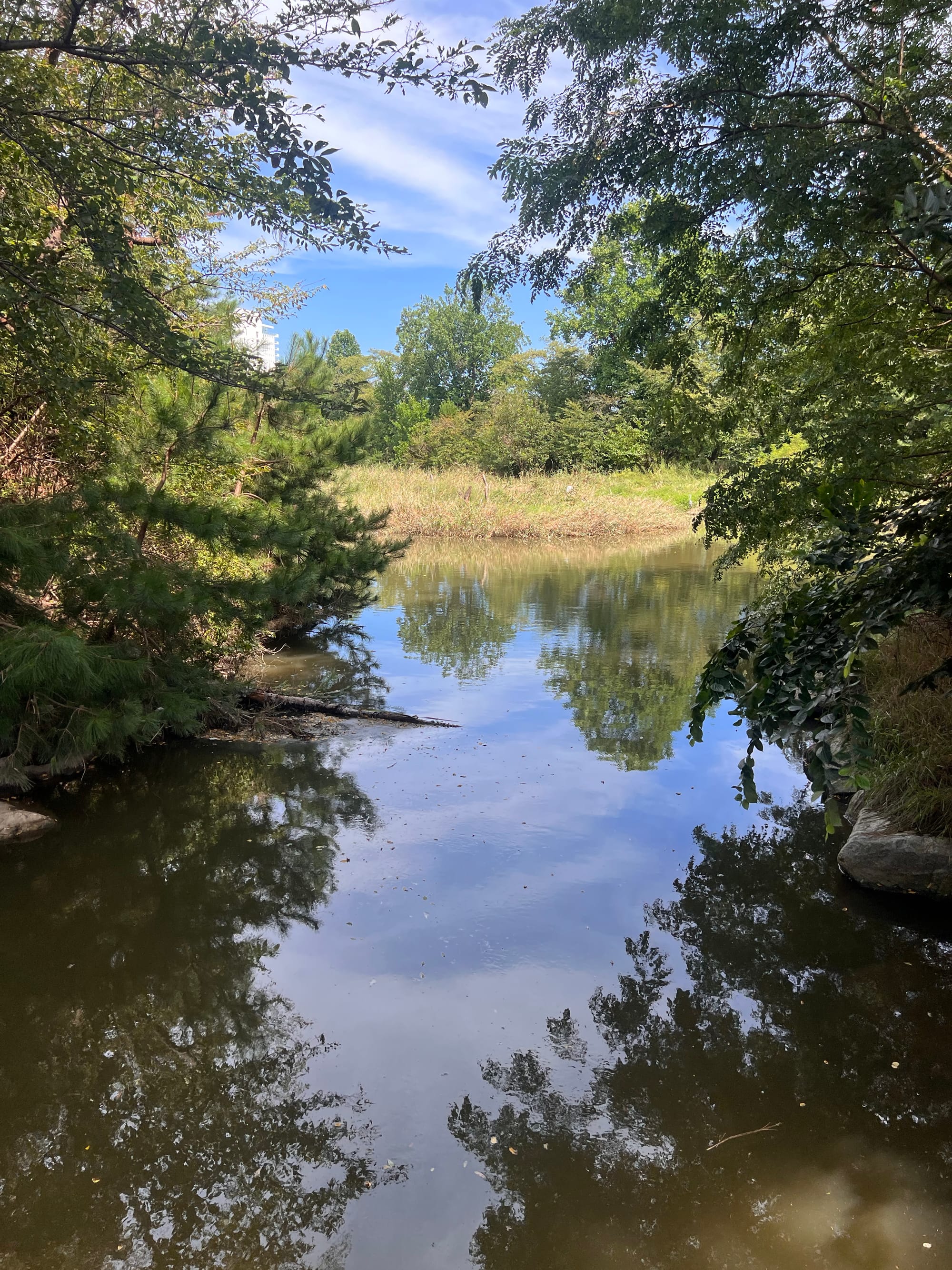
Instead, switch textures again with the Gyeongpo Prickly Water Lily Wetland.
It’s all boardwalks and reeds and shallow water, the kind of quiet that naturally slows your steps. No rush, no spectacle, just a clean little breath of green.

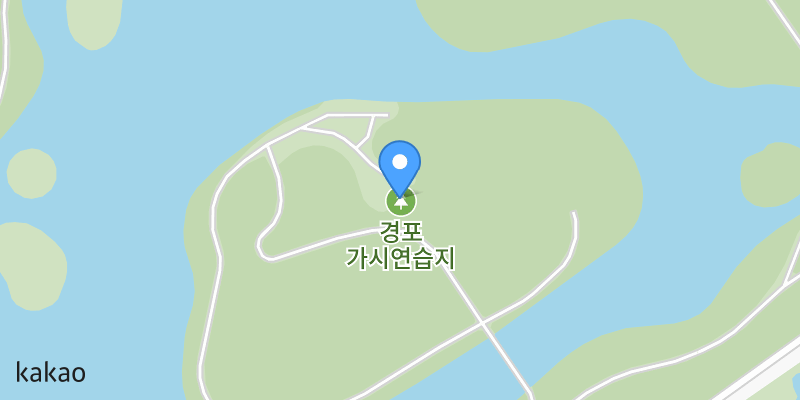
Then drift back toward Gyeongpo, and somehow the same sea looks sharper again.
Syn-K Takeaway
The West Coast is great, but when you want something that actually feels like the sea, the East Sea is faster and more direct. And among East Sea cities, Gangneung doesn’t just hand you a beach and call it a day. The beach, cafes, and market alleys sit close together, so the day simply moves on its own.
Related Post
 Hayne S.