A soft distance with strangers
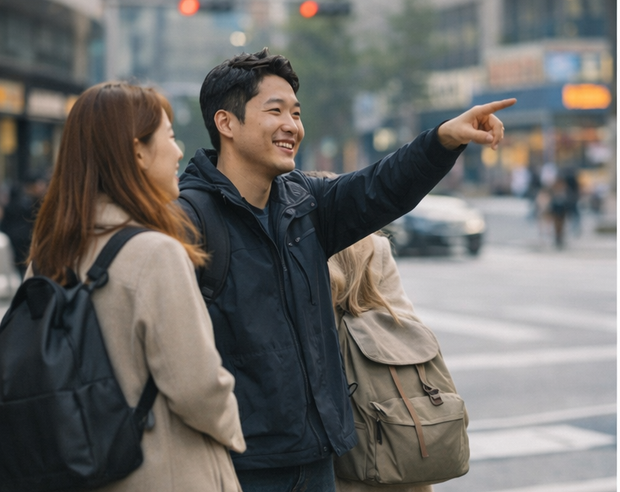
If you’ve just arrived in Korea, you might notice it fast. You offer a light greeting and the response feels smaller than expected. Not rude. Not warm either. For some travelers, it lands as being ignored. For others, it reads as coldness.
But in Korea, “not greeting back” often carries no emotion at all. The silence isn’t rejection. It isn’t hostility. It can be closer to a restrained form of respect.
For a long time, manners here have been shaped by ideas of face, etiquette, and quiet consideration. Starting a conversation with someone you don’t know is not always treated as a casual gesture. It can feel like the beginning of a relationship, even if you didn’t mean it that way.
So choosing not to initiate, or keeping the response minimal, can be a way of not pulling the other person into something awkward. A small boundary, offered politely.
And it’s not something Koreans reserve for foreigners. Koreans often do the same with other Koreans. Between strangers, the default is distance. Not because people don’t care, but because the culture has learned to keep space in a specific, consistent way.
Once you recognize that, the country can start to feel softer than it first appeared.
A society where not standing out is a kind of manners
Public spaces in Korea run quiet. Voices drop. Movements shrink. People slip into a kind of private mode.
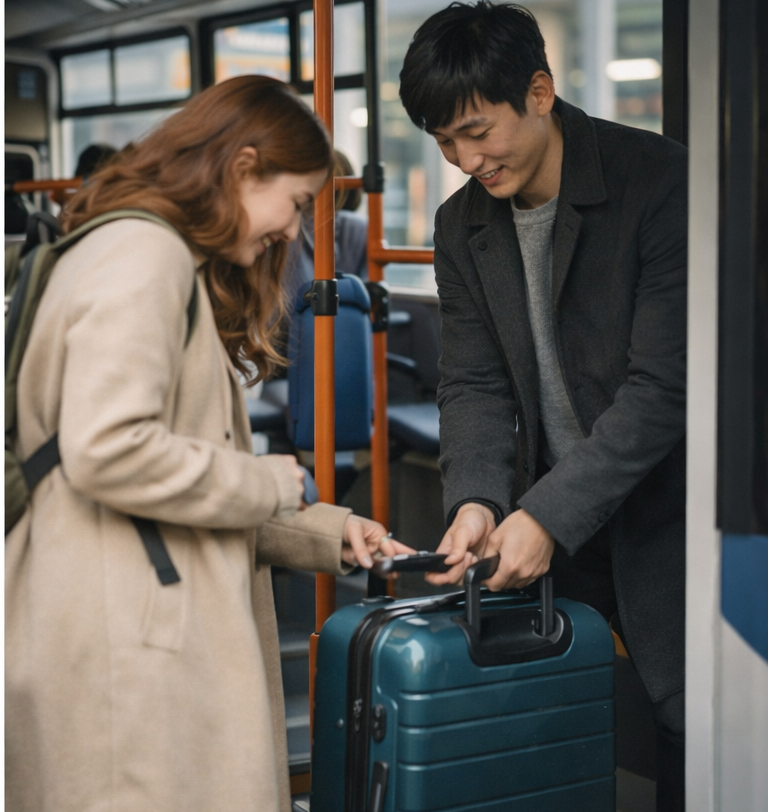
An elevator full of silence. A subway car where everyone wears earphones and looks straight down at their phones. It can look like indifference, but it’s often something else. A choice not to impose yourself on the room.
The interesting part is that people are paying attention. They’re scanning the space. They’re reading the atmosphere. They’re just not showing it through direct eye contact or open commentary.
There’s a Korean skill here. Stay out of someone’s personal space, but also don’t disrupt the shared flow. The smallest version of you becomes the polite version.
In that logic, attention is risky. If you become noticeable, you can become a problem. Not because you did anything wrong, but because you shifted the mood.
It even shows up in clothing. The sea of muted colors you see on the street often isn’t about a lack of taste. It’s a quiet awareness of being seen, and a preference for not becoming a topic. Not insecurity. Caution. A desire not to make the situation weird for anyone, including yourself.
The gaze in Korea is not always sharp. But it’s quiet. And because it’s quiet, you feel it.
Help that arrives without a speech
In Korea, conversations with strangers don’t start easily. But that doesn’t mean people are uninterested in each other.
When a situation appears, attitude often moves faster than words.
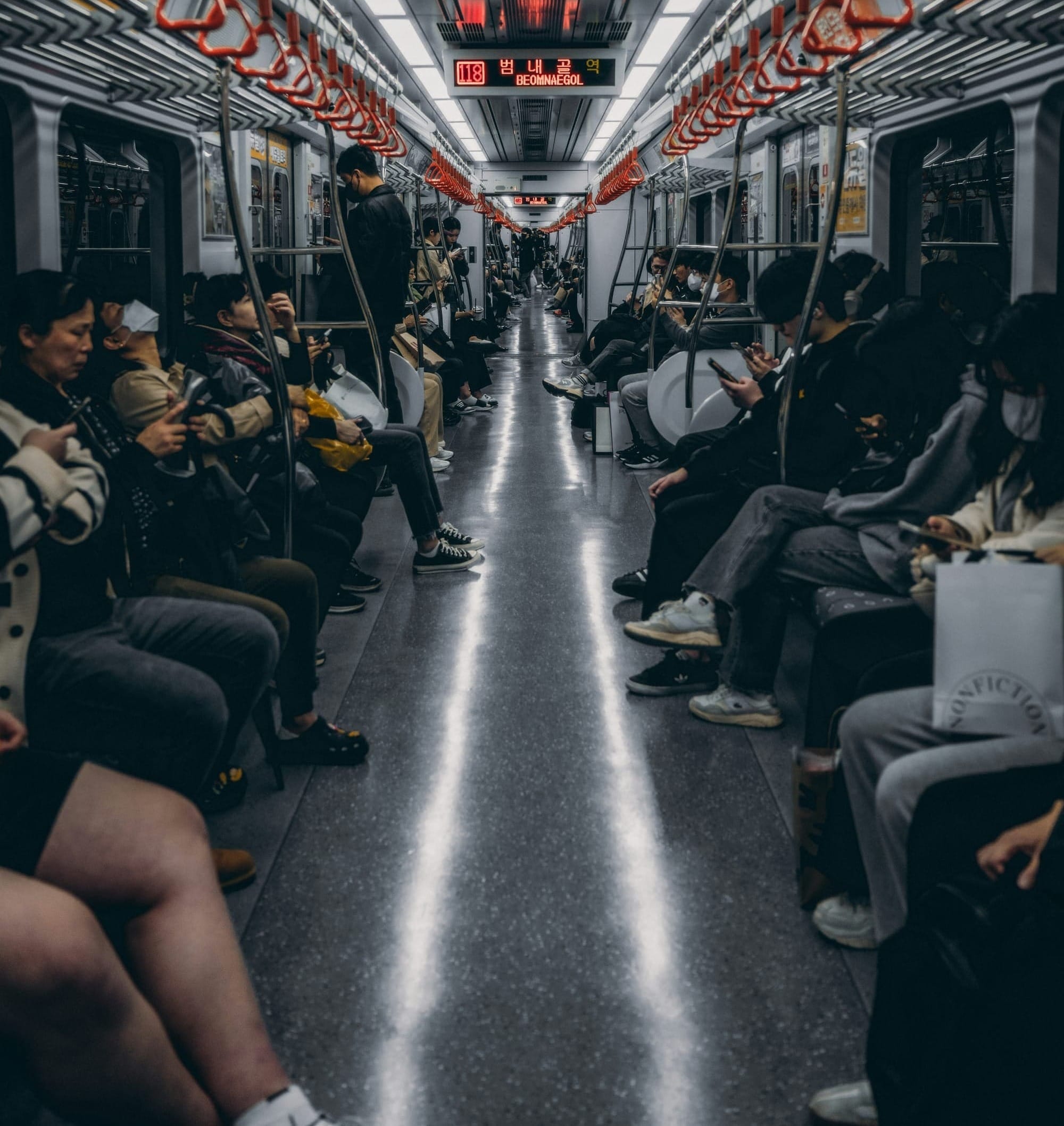
If you ask for directions or need help, you may catch a brief moment of confusion first. A pause. A face that says, wait, what’s happening. But it doesn’t last.
Soon there’s an awkward smile, a quick mental re-map of the moment, and then action. People step in. They try to solve it properly. Sometimes more seriously than you expected.
For many Koreans, kindness isn’t framed as a special choice. It’s more like a default response once the situation becomes clear. The warmth shows up without performance.
No big reassurance. No dramatic friendliness. Just a steady, practical kind of care that doesn’t try to bind you into a relationship afterward.
And somehow, that plainness makes it feel deeper.
Trust built on quiet boundaries
A lot of first-time visitors don’t fully believe Korea’s safety until they live inside it for a few days.
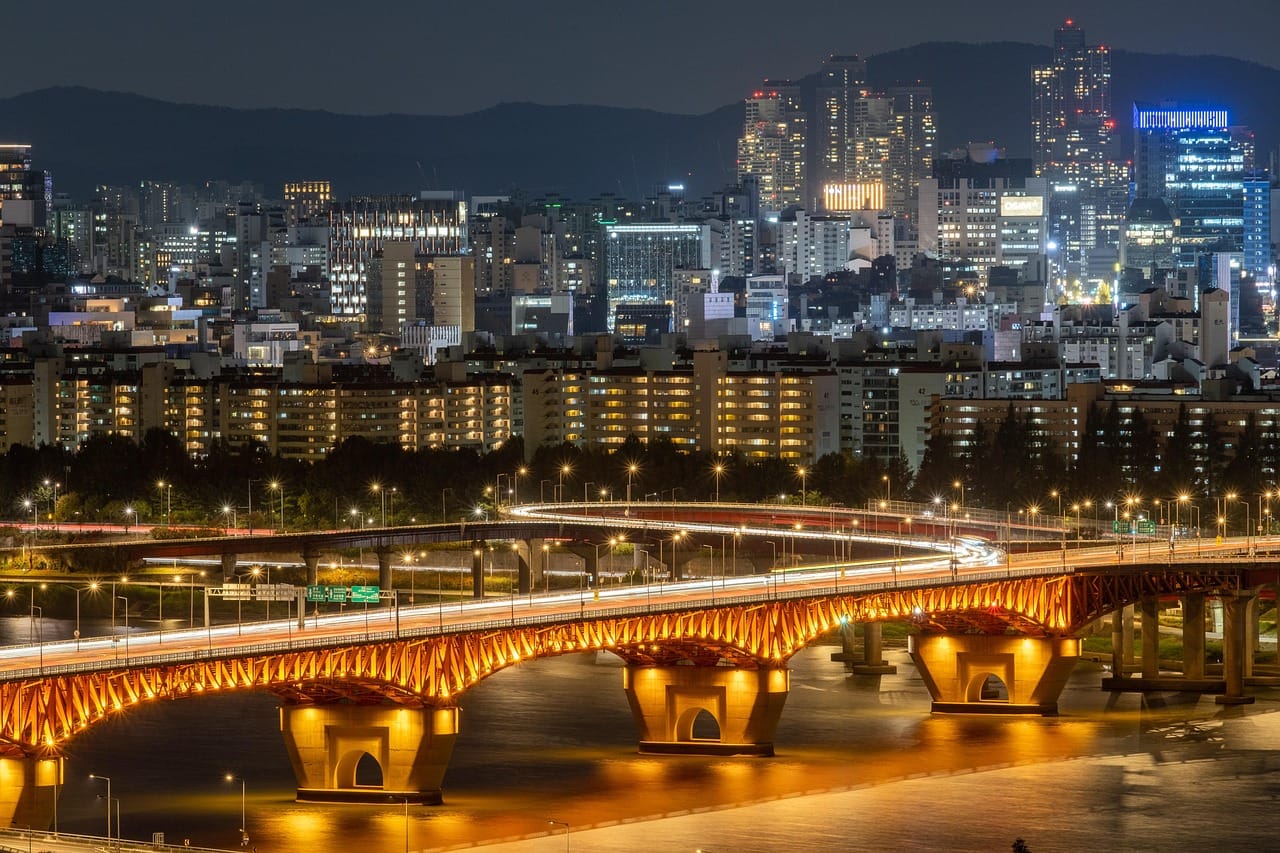
Walking alone late at night doesn’t feel strange. Moving through an unfamiliar city without tightening your shoulders is an experience many places simply don’t offer.
At first, people credit the system. CCTV everywhere. Fast police response. Strong public order.
Those things matter. But after a few days, you start noticing something else.
The real reason the night feels safe is that the line people shouldn’t cross is already installed in their heads.
Don’t touch what isn’t yours. Don’t cause harm for no reason. Don’t become trouble.
That sense doesn’t change after dark. It’s not an occasional discipline. It’s the baseline.
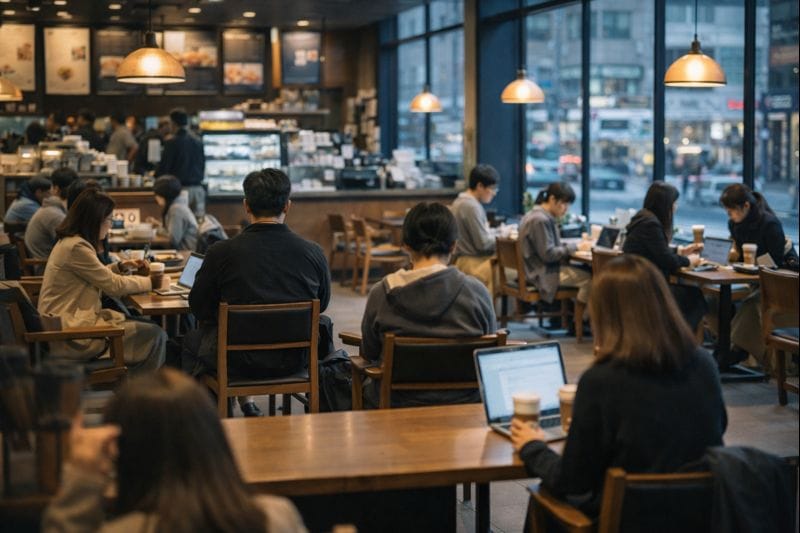
You see it in small scenes that keep repeating. A laptop left at a café table while someone steps away, still there when they return. A wallet or phone recovered and quietly delivered to a lost-and-found or a police station. Cash on the sidewalk that no one rushes to grab.
Not because people are showing off their virtue. Because that’s simply what you do. That’s the social atmosphere.
The habits from earlier sections stack into this. Speak less. Cross fewer lines. Try not to stand out. Over time, those choices compound into something rarer than rules.
Trust.
Korea’s safety isn’t held up by visible enforcement alone. It’s built on an invisible agreement most people keep without making a big deal of it.
Syn-K Takeaway
If you travel with these codes in mind, the quiet distance and the wordless reactions start to look less like coldness and more like a local way of moving.
Nothing is announced. Nobody explains it to you. But if you watch long enough, the rhythm is there.
Kind of makes you want to try living inside it for a day, just to see how it feels.
Related Post
 Hayne S.